An AI Tutor Aligned to South Carolina's College- and Career-Ready Standards

The education landscape is changing fast. With technology reshaping how we learn, one tool stands out: AI tutors. These digital assistants are not just fancy gadgets; they can significantly enhance the learning experience. If you’re in South Carolina, you might be wondering how these AI solutions fit into the state’s educational framework, particularly the South Carolina curriculum and the South Carolina learning standards.
Understanding South Carolina's Educational Framework
Before diving into AI tutoring, it’s crucial to understand what the South Carolina curriculum and South Carolina learning standards entail. These standards are designed to ensure that all students are prepared for college and careers, no matter what path they choose. They outline the knowledge and skills students need to acquire at each grade level, providing a roadmap for educators.
For instance, the standards cover a range of subjects from mathematics to English language arts and sciences. They emphasize critical thinking, problem-solving, and real-world applications. The South Carolina curriculum encourages students not only to learn facts and figures but also to apply their knowledge in practical situations. So, when you think of AI tutors, picture them as tools that can adapt to these standards, providing personalized learning experiences tailored to individual student needs.
In South Carolina, educational authorities have developed specific goals and benchmarks for different grade levels. For example, students in early grades focus on foundational skills, while high schoolers delve deeper into subjects that prepare them for advanced coursework or professional training. A well-aligned AI tutor can recognize these nuances and adjust its teaching accordingly, making it an invaluable resource for both students and teachers.
How AI Tutors Align with Educational Standards
Imagine a scenario where a student struggles with algebra. An AI tutor can identify specific areas where the student is having difficulties, whether it’s quadratic equations or graphing functions. By aligning its teaching methods with the South Carolina learning standards, the AI can ensure that the student learns the necessary concepts at grade level, while also preparing for future challenges. This adaptability is key; it allows students to progress without feeling overwhelmed or left behind.
This is not just theoretical. Several AI platforms have been developed to work specifically with state standards. They incorporate features that allow for real-time feedback and adjustment of tutoring methods. If a student excels in one area but falters in another, the AI can adapt its lessons, focusing on areas that need improvement while reinforcing strengths. For instance, if a student masters basic arithmetic but struggles with fraction operations, the AI can devote more time to teaching fractions until the student feels confident.
Furthermore, AI tutors often use various instructional methods—like interactive quizzes, video tutorials, and engaging simulations—to cater to different learning styles. If a student prefers visual aids, the AI can offer additional resources that align with the South Carolina curriculum requirements for visual learning. By providing a diverse range of instructional materials, these tutors can make learning more effective and enjoyable.
Benefits of Using AI Tutors
So why should you consider using AI tutors? First off, personalization is a huge advantage. Every student learns differently. Some grasp concepts quickly, while others might need additional time and resources. AI tutors can provide that customized learning experience. They analyze student performance data and adjust lessons accordingly, ensuring each learner’s unique pace is respected.
Secondly, AI tutors are available 24/7. Students can access help whenever they need it, be it late at night or during a weekend study session. This flexibility can help alleviate the pressure of homework and exams, making learning a more enjoyable experience. Imagine a student stuck on a math problem at 9 PM—an AI tutor can step in to explain the concept without any hesitation. This convenience not only promotes self-directed learning but also helps students develop a sense of responsibility for their education.
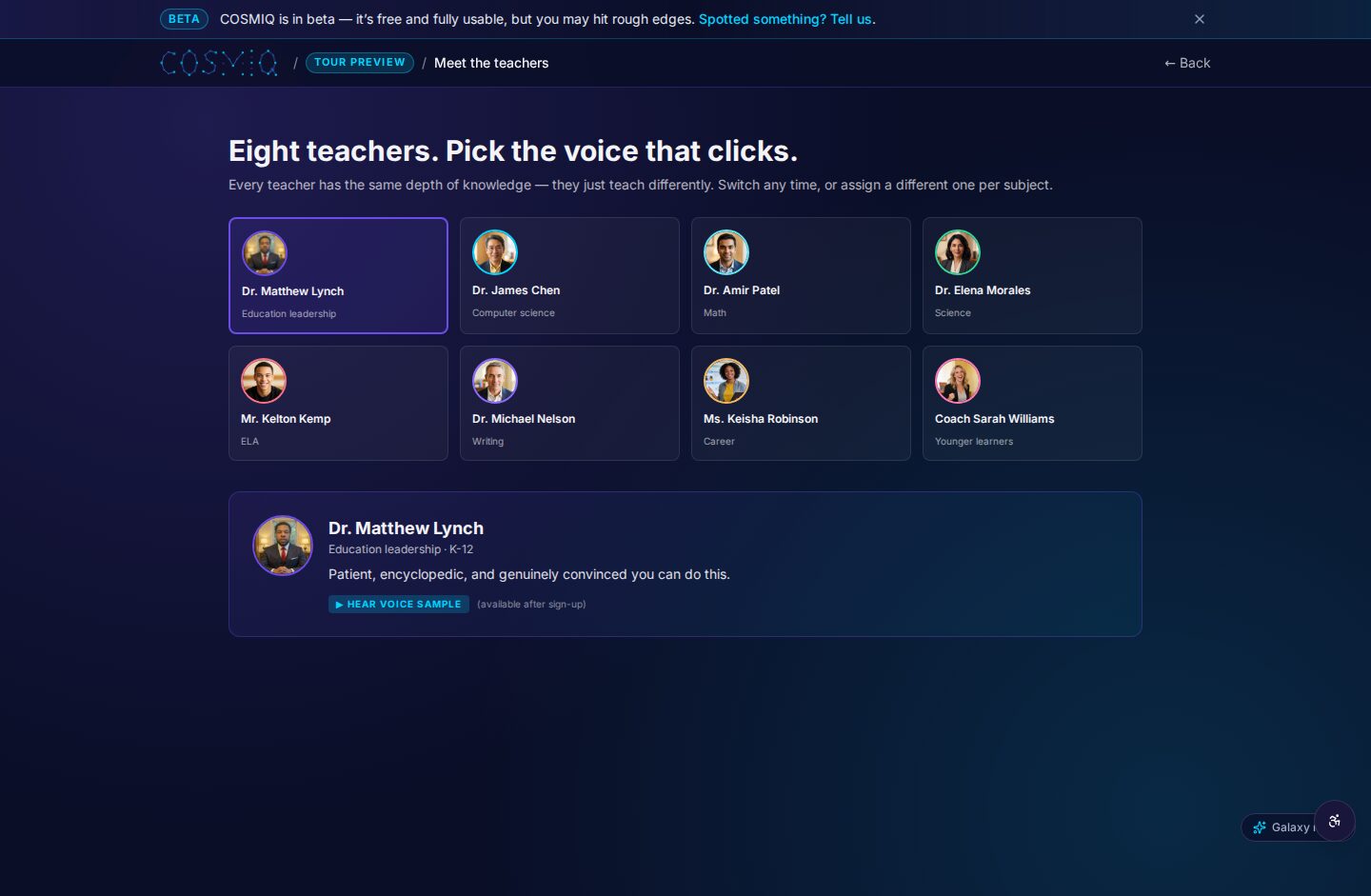
Moreover, AI tutors can foster a growth mindset. When students see their progress through adaptive feedback and personalized recommendations, they become more motivated. They learn that effort leads to improvement, which is crucial for their emotional and academic development. As they work through challenges with their AI tutor, they build resilience—an essential trait that will serve them well in college and their future careers.
Integrating AI Tutors into the Classroom
If you’re an educator, you might be wondering how to effectively integrate AI tutors into the classroom. One approach is to use them as supplemental tools alongside traditional teaching methods. Teachers can assign specific lessons or practice areas based on the South Carolina curriculum, allowing students to engage with the material at their own pace while still receiving guidance from their instructors.
Pairing AI tutoring with classroom instruction can lead to a more effective learning environment. For example, while the teacher focuses on delivering core lessons, students can use AI tutors for individualized practice that aligns with those lessons. This means that when a teacher introduces a new concept in math, students can then use their AI tutor to receive targeted practice, reinforcing what they’ve just learned.
It can also be beneficial for teachers to monitor the progress of their students through the AI tools. Most platforms offer analytics that can show student performance over time. This data can inform classroom instruction, helping teachers identify trends or common challenges faced by their students. When used collaboratively, AI tutors can enhance both teaching and learning. Imagine receiving real-time insights about which topics students are struggling with—this information can help you tailor your lessons to address those gaps.
Challenges and Considerations
Of course, like any technology, AI tutors come with their own set of challenges. One significant concern is the digital divide. Not every student has equal access to technology, and this could create disparities in learning opportunities. It’s crucial to ensure that AI resources are accessible to all students, regardless of their backgrounds or environments. Schools and communities can work together to bridge this gap by providing devices and internet access to underserved populations.
Another consideration is the importance of human interaction in learning. While AI tutors are powerful tools, they can’t replace the social and emotional aspects of education. Students benefit from engaging with teachers and peers, developing soft skills that are vital for college and career readiness. Finding a balance between AI and human instruction is key. For instance, teachers can use AI to provide foundational knowledge, while reserving class time for discussions, group work, and collaborative projects that encourage teamwork and communication.
Also, consider the potential for over-reliance on technology. If students become accustomed to finding answers through AI tutors, they may struggle to develop critical thinking and problem-solving skills. It’s essential to encourage students to think independently and engage deeply with the material. Educators can set guidelines on how much time students should spend using AI tutors versus traditional study methods.
Looking Ahead: The Future of AI in Education
What does the future hold for AI tutors in South Carolina? As technology advances, we can expect even more sophisticated AI tools that align seamlessly with the South Carolina learning standards. These tools will likely incorporate machine learning algorithms that can predict student needs more accurately and provide even more personalized learning experiences.
Moreover, with the rise of data analytics in education, schools may find innovative ways to leverage this information to enhance student performance. Imagine AI systems that can not only teach but also provide insights on how each student learns best. The potential for creating tailored educational experiences is limitless. As these technologies evolve, they may even include features that analyze a student's emotional state, allowing for adaptive learning that takes into account not just academic performance, but also well-being.
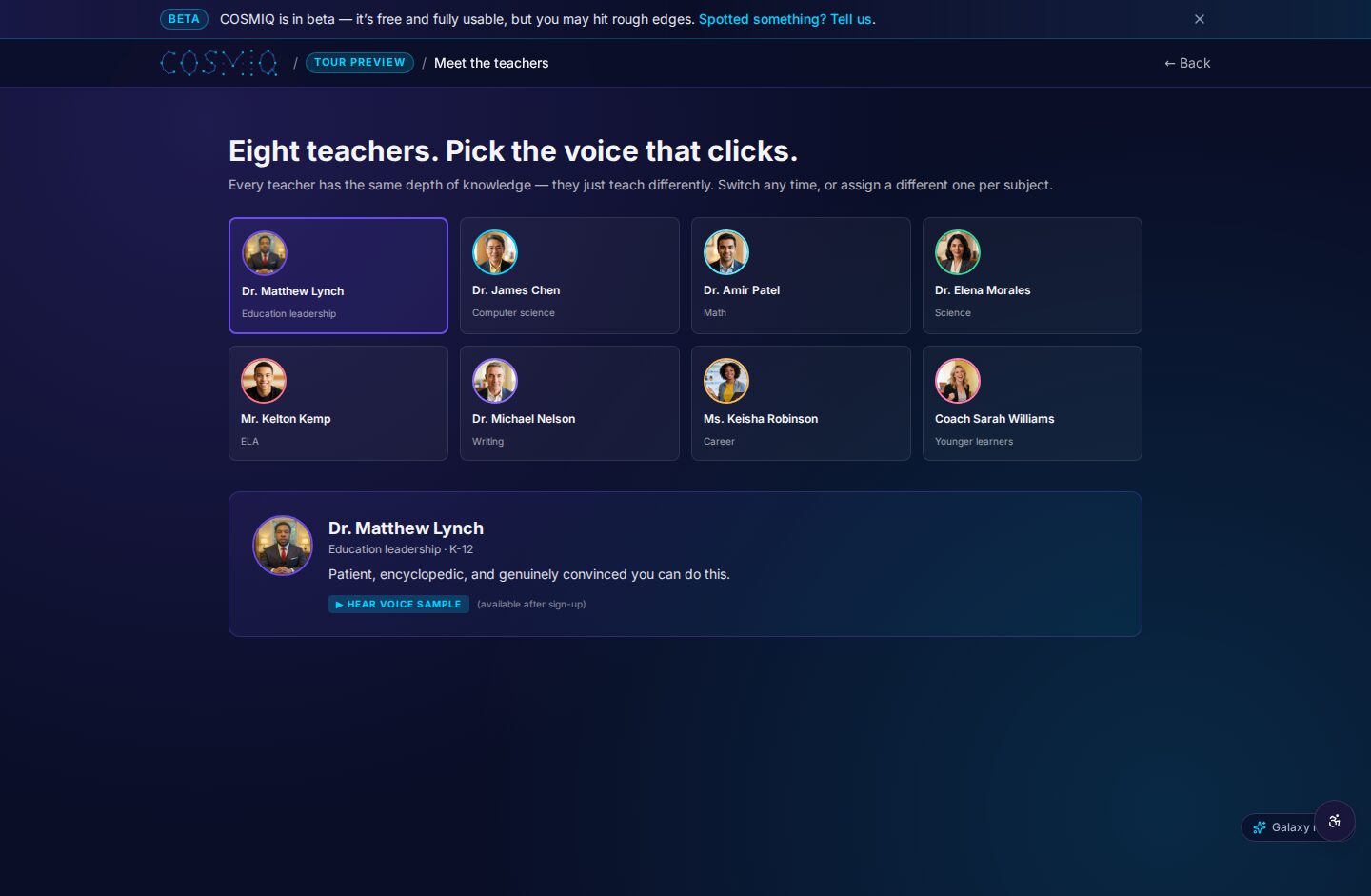
Furthermore, the integration of AI into educational settings may lead to new teaching roles. Educators could become facilitators of learning rather than the primary sources of knowledge. They'll be able to focus on mentoring and guiding students, using AI to support their instructional goals. This shift could enrich the educational experience, making it more collaborative and dynamic.
Practical Steps for Implementation
If you’re an educator or a school administrator considering AI tutors, where do you start? Begin by researching various AI platforms that align specifically with the South Carolina curriculum. Look for tools that offer data-driven insights and have a proven track record of improving student outcomes. Remember, not all AI platforms are created equal, so take the time to evaluate their effectiveness and alignment with the South Carolina learning standards.
Once you’ve pinpointed a suitable platform, pilot it with a select group of students. Gather feedback from both students and teachers to understand how well it’s working. This iterative approach allows for adjustments before a broader rollout. As you collect data, you can make informed decisions about how to expand the use of AI tutors in your school. Consider conducting regular check-ins and discussions with both educators and students to gauge the effectiveness of the integration.
Finally, don’t overlook the importance of training. Teachers need to feel comfortable with the technology to effectively utilize it in their classrooms. Provide professional development opportunities that focus on integrating AI tutors into lesson plans. This investment will pay off in the long run, enhancing both teaching practices and student learning. Workshops, webinars, and peer-to-peer training sessions can empower teachers to make the most of AI tools.
As we embrace AI in education, let’s remember it’s a tool. The real goal is to create an environment where students thrive, equipped with the skills they need for their future. Integrating AI tutors aligned with South Carolina's standards can be a step in that direction. By embracing this technology thoughtfully, we can enhance the educational experience for all students and prepare them for the challenges of tomorrow.
The Role of Parents in Supporting AI Learning
Parents play a crucial role in supporting their children's educational journeys, especially when integrating new technologies like AI tutors. Open communication between parents, teachers, and students is vital. When parents understand how AI tutors function and how they align with the South Carolina curriculum, they can better support their children’s learning at home. For instance, if parents are aware of the specific skills their child is working on with an AI tutor, they can reinforce those concepts during daily interactions.
Additionally, parents can help create a conducive learning environment at home. This might involve setting up a quiet study space equipped with necessary technology and establishing a consistent study schedule. Encouraging regular check-ins to discuss what the child is learning can foster motivation and accountability. It also provides an opportunity for parents to be involved in their child’s education, which has been shown to improve student outcomes.
Moreover, parental involvement can extend to monitoring the usage of AI tutors. Setting limits on screen time and ensuring that the child balances their time between AI-assisted learning, traditional study methods, and leisure activities is important. This balance will help prevent over-reliance on technology while still benefiting from the personalized learning experience that AI tutors can provide.
Learn anything, free.
COSMIQ is a free, voice-driven AI tutor for every learner. No credit card, ever.
Start learning free →