An AI Tutor Aligned to the Mississippi College- and Career-Readiness Standards

As education evolves, the integration of technology in classrooms has become more prevalent. One of the most intriguing developments is the emergence of AI tutors. These digital assistants promise to offer personalized learning experiences, tailored to individual student needs. In Mississippi, where educators seek to align teaching methods with the Mississippi curriculum and Mississippi learning standards, an AI tutor could be a valuable tool. But how can we ensure that these AI systems meet educational benchmarks and genuinely enhance learning?
Understanding the Mississippi Curriculum
The Mississippi curriculum lays the groundwork for what students should learn at each grade level. It sets clear expectations and ensures that educators have a framework to guide their teaching. By understanding the specifics of this curriculum, educational technology developers can create AI tutors that align seamlessly with what students are expected to know and be able to do. For instance, if the Mississippi curriculum emphasizes critical thinking and problem-solving skills in mathematics, an AI tutor can be designed to include interactive math problems that encourage students to think beyond rote memorization. This direct alignment with curriculum goals ensures that students are not just learning to pass tests but are also gaining skills applicable in real-life situations. Think about a student who excels in basic arithmetic but struggles with applied problem-solving. An AI tutor can present real-world scenarios that require students to use those arithmetic skills strategically, thus reinforcing learning in a meaningful context. To further illustrate, consider the science curriculum. If Mississippi's framework outlines the importance of hands-on experimentation and the scientific method, an AI tutor could simulate experiments virtually, allowing students to design their own experiments and analyze outcomes. This hands-on approach nurtures curiosity and engagement, making learning more interactive and fun.
Aligning with Mississippi Learning Standards
Mississippi learning standards are another crucial component of the educational framework. These standards give a detailed breakdown of content and skills that students should acquire at each educational level. AI tutors need to reflect these standards to be effective. Imagine a high school student struggling with algebra. An AI tutor that incorporates Mississippi learning standards would assess the student’s current understanding and provide tailored exercises that target specific skills they haven’t mastered yet. By continuously adapting to the student’s progress, the AI tutor becomes a dynamic tool in their educational journey. This type of personalized learning is what contemporary education strives for, ensuring that every student has the opportunity to succeed. Moreover, these learning standards are not static; they change as educational needs evolve. So, AI systems must be regularly updated to reflect the latest standards. Suppose Mississippi revises its standards to include more emphasis on data literacy. An AI tutor can quickly adapt its modules to introduce concepts related to data interpretation, statistics, and analytics, making sure students are prepared for the current demands of the workforce. Consider the unique needs of students preparing for college or vocational training. By aligning AI tutors with the Mississippi learning standards that prepare students for higher education and career paths, we ensure that they are not only equipped with knowledge but also the skills that employers value, such as teamwork, communication, and critical thinking.
Benefits of AI Tutors in Mississippi Schools
So, why consider implementing AI tutors in schools? First, they provide instant feedback. Unlike traditional classroom settings, where a teacher may not have the time to individually assess each student’s work immediately, AI can quickly analyze responses and adjust its lessons in real-time. This immediate feedback loop allows students to understand their mistakes on the spot, enabling them to learn from errors more effectively.
Additionally, these tutors can provide a safe space for students to learn at their own pace. Some students may feel embarrassed to ask questions in front of their peers, but an AI tutor allows them to engage in a one-on-one learning environment. This customized approach can lead to increased confidence and mastery of subjects. Take a shy sixth grader who might hesitate to ask a question in class. With an AI tutor, they can repeatedly ask a question until they feel comfortable, practicing without the pressure of judgment. Furthermore, AI tutors can also help bridge gaps in learning left by traditional educational methods. For students who may be falling behind, these tutors can offer supplemental resources and exercises that target their specific weaknesses. Imagine a student who struggles with reading comprehension. An AI tutor could offer a series of engaging texts and comprehension questions, adapting the difficulty level based on the student’s performance, ultimately leading to improved skills.

Challenges in Implementation
While the benefits of AI tutors are clear, there are challenges to consider in their implementation. One significant hurdle is access to technology. Not every student in Mississippi has the same access to devices or reliable internet. Schools must ensure that all students can benefit from these technologies rather than widening the educational gap. Moreover, teacher training is essential. Educators need to be equipped to integrate AI tools into their teaching effectively. This means not only understanding how to use the technology but also how to interpret the data it provides about student performance. Without proper training, teachers may struggle to make the most of the AI tutor's capabilities. Consider a scenario where a sophisticated AI tool is implemented, but teachers lack the skills to leverage its insights. They may miss opportunities for targeted interventions, ultimately compromising the potential benefits of the technology. Another challenge lies in data privacy and security. As AI systems collect vast amounts of student data to tailor learning experiences, concerns around privacy become paramount. Parents and educators must ensure that these systems comply with regulations protecting student data. Schools need robust policies in place to manage this information securely, fostering trust among parents and the community. Additionally, there’s the question of technological reliability. If an AI tutor system goes down during a critical learning period, it could disrupt students' education, especially for those who rely heavily on it. Schools must have contingency plans to address technical issues swiftly, ensuring that learning continues uninterrupted.
Real-World Examples
Several programs across the country have already started utilizing AI tutors, and their successes can serve as a roadmap for Mississippi educators. For instance, some districts have implemented AI-driven platforms that adapt to students’ learning speeds, making it easier for teachers to identify those who need additional help. A notable case is a Chicago school that saw a 20% increase in math scores after integrating AI tutoring into its curriculum. The program was designed to align with local learning standards, demonstrating that when technology is aligned with educational goals, it can significantly impact student achievement. Similarly, a pilot program in California showed that students using AI tutors for language arts improved their reading levels by an average of two grades within a semester. These examples illustrate that the right tools, when deployed effectively, can enhance educational outcomes. Another case worth mentioning is a school district in Texas that utilized AI to identify learning gaps among students in real-time and provided teachers with actionable insights to address these gaps. By implementing AI, they were able to tailor instruction more effectively, resulting in higher overall engagement and retention rates. In Florida, a program that combined AI tutoring with traditional teaching methods showed remarkable results in science scores, boosting student interest in STEM fields. These programs offer valuable lessons on how AI can be integrated into existing educational frameworks, potentially benefiting Mississippi students in similar ways.
Future Implications for Mississippi Education
As we look ahead, the potential for AI tutors in Mississippi education is vast. With ongoing advancements in artificial intelligence, the possibility of creating even more sophisticated systems that can analyze a student’s learning style and adapt its teaching methods accordingly is within reach. The future may also see collaboration between AI systems and teachers, where AI handles routine tutoring tasks, allowing educators to focus more on engagement and complex problem-solving in classrooms. This partnership could lead to a more enriched educational experience overall. Imagine a classroom where AI tutors assist students while teachers facilitate discussions, guide critical thinking exercises, and provide emotional support. Such a blended approach could harness the best of both worlds. Furthermore, as AI technology continues to evolve, it may incorporate features like gamification to enhance engagement. For instance, an AI tutor might present lessons in a game-like format where students earn points for completing exercises and reach new levels as they improve. By tapping into students’ natural inclination for games, AI can make learning more appealing and motivating. This could be especially relevant in Mississippi, where engaging students in rural areas with fewer resources can present unique challenges. Looking long-term, advancements in AI could lead to personalized learning pathways that not only assess student performance but also suggest extracurricular activities and learning resources tailored to their interests and strengths. Imagine an AI that identifies a student’s passion for science and introduces them to related clubs, online courses, or mentorship programs, creating a holistic educational experience that extends beyond the classroom.
Equity and Accessibility in AI Education
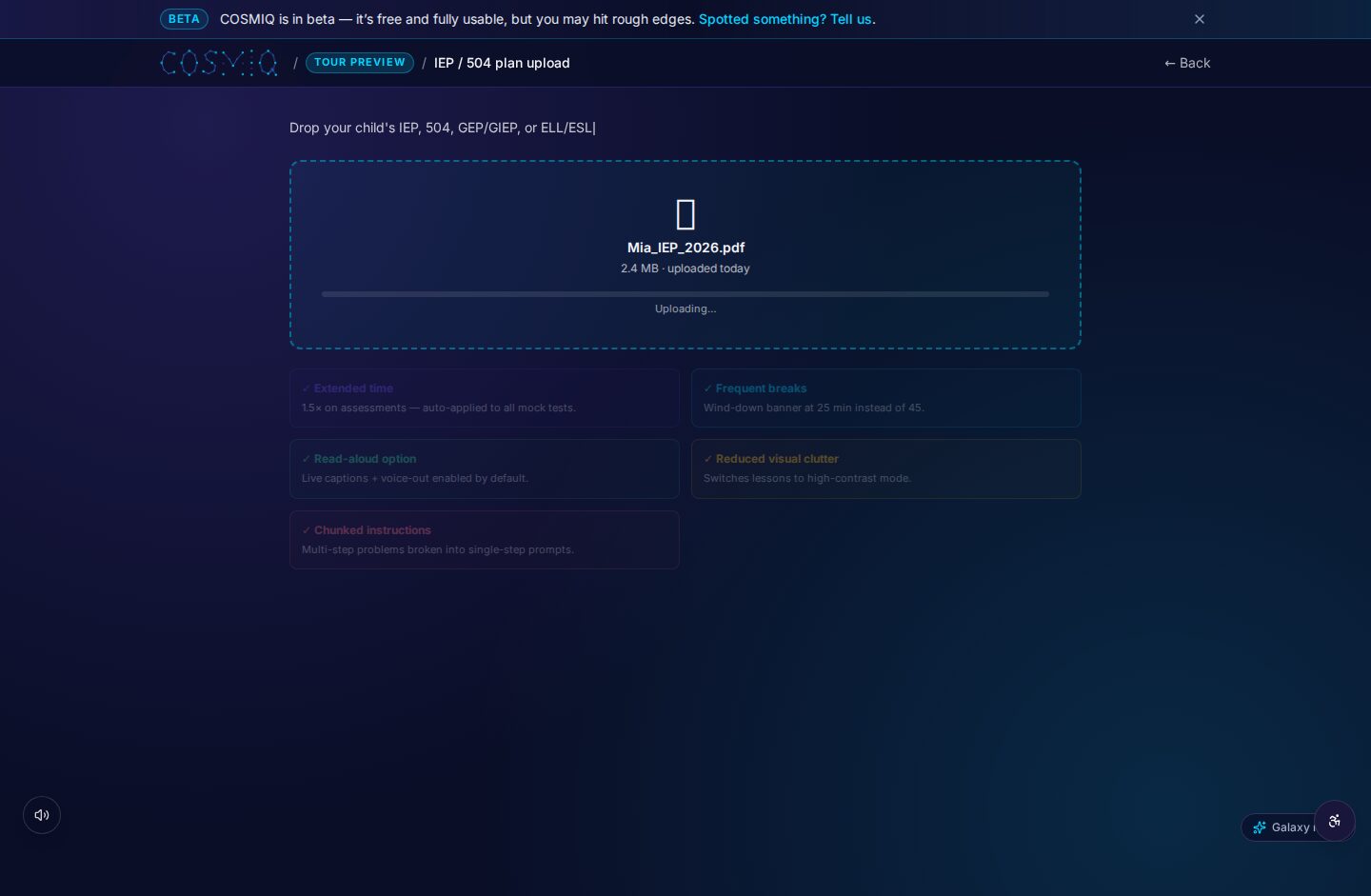
Equity and accessibility are paramount when considering the integration of AI tutors in Mississippi education. It’s essential that all students, regardless of their background, have equal access to these technologies. In rural areas of Mississippi, lack of internet connectivity and technological resources can create significant barriers. Schools need to find creative solutions to bridge these gaps. For example, the implementation of community Wi-Fi centers or mobile tech labs could make a difference. Additionally, there should be an emphasis on making AI tools user-friendly for both students and educators. Students with different learning abilities must have access to the same educational tools, and AI tutors should be designed with inclusivity in mind. This could involve developing features that cater to English language learners, students with disabilities, or those who require additional support. Providing accessibility options, like adjustable text sizes, audio learning aids, or simplified interfaces, will ensure that all students can benefit from AI tutors. Moreover, involving families in the conversation is crucial. Schools can organize workshops to educate parents about how these AI systems work and how they can be effectively used at home. Building a supportive community around AI education not only empowers families but also helps create a more cohesive learning environment. Consider a scenario where parents are encouraged to participate in AI-led learning sessions at home, fostering collaboration between home and school.
Monitoring Implementation and Effectiveness
As schools in Mississippi begin to implement AI tutors, it’s vital to establish robust monitoring systems to assess their effectiveness. Continuous evaluation allows educators to understand how well these tools are working and to make necessary adjustments. Schools should set clear metrics for success, such as improvements in test scores, student engagement levels, and overall satisfaction with the learning experience.
Data analytics can play a crucial role here. By collecting anonymized data on students’ interactions with AI tutors, schools can identify patterns and trends. For example, if a significant number of students struggle with a specific topic, the AI system can flag this for educators, prompting them to review instructional methods or content delivery. By leveraging the data, schools can create a more responsive educational environment. Furthermore, it’s important to gather feedback from both students and teachers. Surveys and focus groups can provide valuable insights into the user experience, helping to refine the AI tools further. Consider a situation where teachers express concerns about the AI tutor’s responses; addressing these issues promptly can ensure that the system remains relevant and useful. Lastly, partnerships with universities or educational research organizations can facilitate a more thorough analysis of AI tutors' long-term impacts on educational outcomes. Engaging in research collaborations may yield studies that inform best practices, not just for Mississippi, but for educational institutions nationwide.
Final Thoughts: The Path Forward
The integration of AI tutors aligned with the Mississippi curriculum and Mississippi learning standards represents a promising avenue for enhancing education. While there are challenges to overcome, the potential benefits for students are undeniable. By focusing on personalized learning and aligning with established educational benchmarks, AI tutors can provide significant support to both students and teachers. As Mississippi continues to refine its educational strategies, the role of technology will undoubtedly grow. Embracing these innovations, while ensuring they meet the needs of all students, will be crucial in shaping a brighter future for education in the state. With thoughtful implementation, continuous support, and a commitment to equity, AI tutors could transform the educational landscape, making learning more accessible, engaging, and effective for every student in Mississippi. The time for action is now. Educators, policymakers, and tech developers must work hand-in-hand to create an educational ecosystem where technology complements and enriches the learning experience. By prioritizing equity, accessibility, and a commitment to continuous improvement, Mississippi can lead the charge in integrating AI into education, preparing students for a successful future.
Learn anything, free.
COSMIQ is a free, voice-driven AI tutor for every learner. No credit card, ever.
Start learning free →