An AI Tutor Aligned to West Virginia's College- and Career-Readiness Standards

Understanding the Need for AI Tutors
Education continues to evolve, and with that evolution comes the need for innovative solutions to prepare students for the future. The demand for personalized learning has never been higher. Traditional classrooms, while effective to a degree, often fall short when it comes to meeting the unique needs of every student. This is where an AI tutor can step in—offering tailored educational experiences that align perfectly with state standards.
In West Virginia, the emphasis on college and career readiness has led to the establishment of rigorous learning standards. The West Virginia curriculum is designed to ensure that students acquire not only knowledge but also the skills necessary for a successful transition into higher education or the workforce. With an AI tutor, these standards can be seamlessly integrated into everyday learning.
Picture a classroom where students are engaged, excited, and actively participating in their education. This is the vision that AI tutors help bring to life. They provide instant access to resources, allow for pacing that suits each individual student, and offer new ways for learners to interact with the material in a meaningful way. Instead of a one-size-fits-all approach, AI tutors personalize learning experiences based on individual student needs, interests, and goals.
In rural areas or economically disadvantaged communities, where educational resources may be limited, AI tutors can bridge the gap. They can provide students with access to advanced learning tools and resources that they might not otherwise be able to utilize, helping to ensure that every student has an opportunity to succeed. As we consider the implementation of AI in West Virginia's education system, we must also recognize the potential for these technological tools to break down barriers that have historically impacted student success.
What Are the West Virginia Learning Standards?
The West Virginia learning standards serve as a roadmap for educators in the state. They outline the essential knowledge and skills that students are expected to learn at each grade level. For instance, subjects like math, English language arts, science, and social studies have specific benchmarks that educators must cover. These standards are rooted in a commitment to fostering critical thinking, problem-solving, and communication skills.
But why are these standards so crucial? Think about it: when students leave high school, they should not only be able to recite facts; they should be prepared to tackle real-world challenges. This is particularly relevant in a state like West Virginia, where economic opportunities can be limited. By adhering to these standards, the education system aims to equip students with the tools they need to succeed.
The West Virginia learning standards are not static; they are regularly updated to reflect the changing needs of society, the workforce, and advancements in educational research. For example, the introduction of technology standards acknowledges the importance of digital literacy in today’s job market. By emphasizing skills such as coding, digital communication, and online research, the standards prepare students for a world that is increasingly reliant on technology.
One of the distinctive features of these standards is their focus on interdisciplinary learning. This means that students are encouraged to make connections between subjects. For instance, a lesson might integrate math and science by exploring statistical data in environmental studies. This approach aligns with real-world scenarios where knowledge isn’t compartmentalized but rather interconnected. Such integration prepares students for problem-solving in complex, multifaceted environments.
The Role of AI in Education
Artificial Intelligence is transforming numerous sectors, including education. An AI tutor can provide immediate feedback, adapt to a student’s learning pace, and offer resources tailored to individual strengths and weaknesses. Imagine a student struggling with algebra. An AI tutor can analyze their performance, identify specific areas of difficulty, and provide targeted practice problems. This personalized approach not only enhances understanding but also boosts confidence.
Moreover, AI can assist in data collection. By tracking a student’s progress over time, the AI can help educators understand where the curriculum might need adjustments. It can highlight trends that may not be visible through traditional teaching methods. This capability links back to the West Virginia curriculum, as it allows educators to ensure that they are meeting state standards.
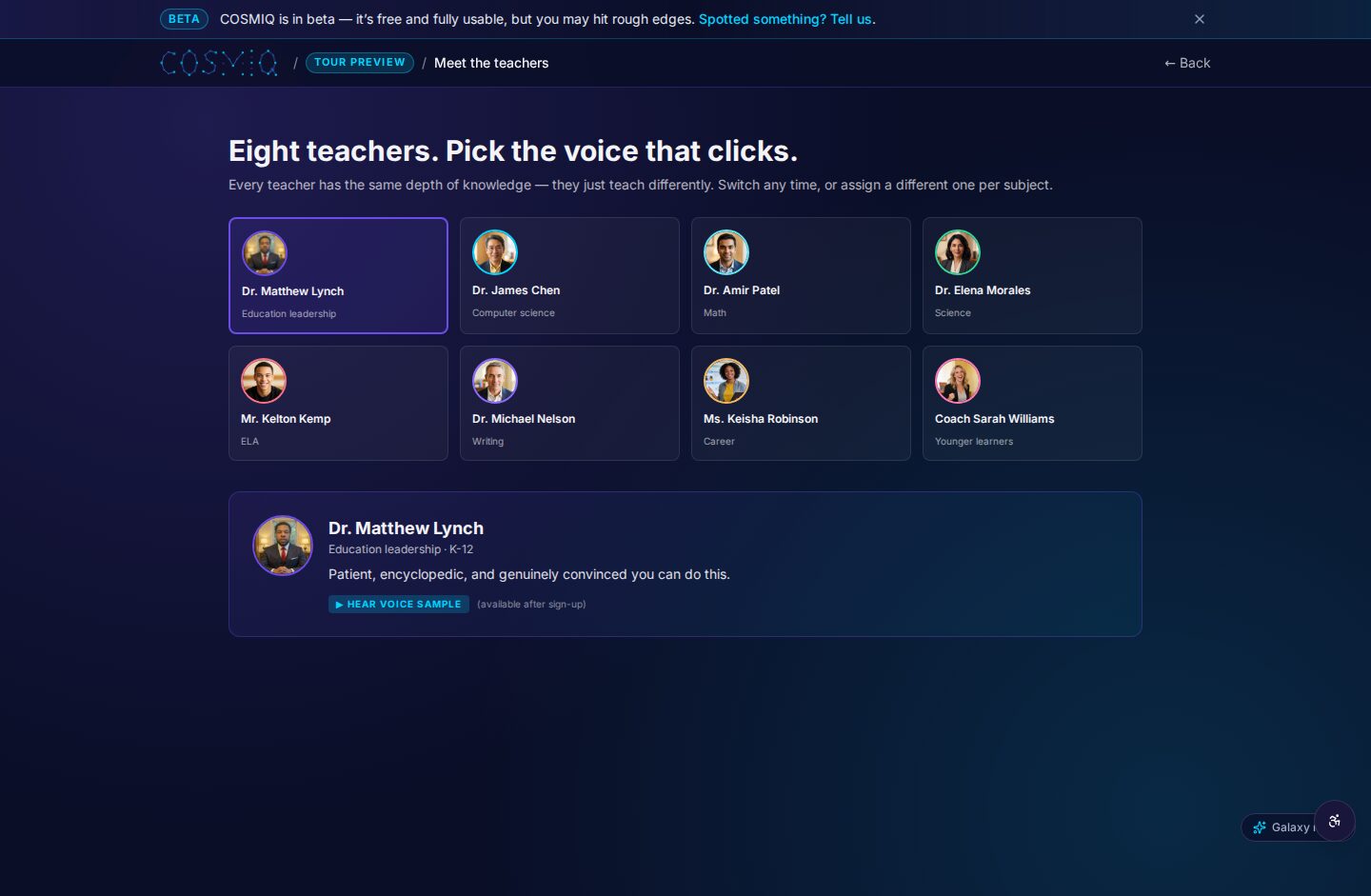
Let’s consider adaptive learning technology. An AI tutor can assess a student's grasp of a topic and adjust the complexity of questions accordingly. If a student masters basic algebra concepts, the AI can introduce more challenging problems, keeping the student engaged and motivated. It’s like having a personal coach who knows exactly when to push for more and when to pull back.
AI tutors can also facilitate collaborative learning. Many students benefit from group activities where they can learn from each other. AI can help identify complementary learning styles among students and create groups that enhance peer-to-peer interaction. For instance, an AI system could pair a student who excels in math with another who has strong language skills for a project that requires both areas of expertise. This not only enriches learning but builds essential teamwork skills.
Aligning AI Tutors with West Virginia Curriculum
For AI tutors to be truly effective, they must align with the West Virginia curriculum. This means incorporating the specific learning standards into the AI programming. It’s not just about being able to solve equations or write essays; it’s about ensuring that every lesson contributes to the overarching goals set by the state.
An AI tutor can utilize the learning standards to craft individualized learning paths. For instance, if the goal is to enhance writing skills, the AI could provide exercises focused on the standards of argumentation and analysis, which are essential parts of the West Virginia curriculum. By using real-world examples and prompts that connect to students’ lives, the AI can make learning more relevant and engaging.
Moreover, AI can help track student progress against these standards. Educators can see which areas students are excelling in and which need more focus. This data-driven approach allows for timely interventions. If a student is struggling with a particular standard, the AI can flag this to the teacher, prompting further discussion and targeted assistance.
Additionally, the flexibility of AI tutors allows for diverse content delivery. Some students might respond better to visual aids, while others might prefer reading or hands-on activities. An AI tutor can adapt its methods based on student preferences, ensuring that the learning experiences align not just with state standards but also with individual learning styles.
Benefits of AI Tutors in West Virginia
Imagine a classroom where each student receives lessons tailored to their unique learning needs. That’s the promise of AI tutors. In a state like West Virginia, where resources can be scarce, these tutors can serve as a valuable supplement to traditional instruction. They provide help outside of school hours, enabling students to work at their own pace.
Additionally, AI tutors can foster a love for learning. By adapting to a student's interests and providing challenges that are just right, they can make education feel less like a chore and more like a journey. For example, if a student loves sports, the AI can use sports statistics to teach math concepts. This makes the learning experience not only relevant but also enjoyable.
AI tutors also have the potential to enhance equity in education. In areas where schools may be underfunded or understaffed, AI can provide consistent, quality resources to all students. This can be particularly beneficial for students who need extra help or for those who are advanced and require more challenging material. By offering personalized tutoring, AI can help bridge the educational gaps that often arise due to socioeconomic disparities.
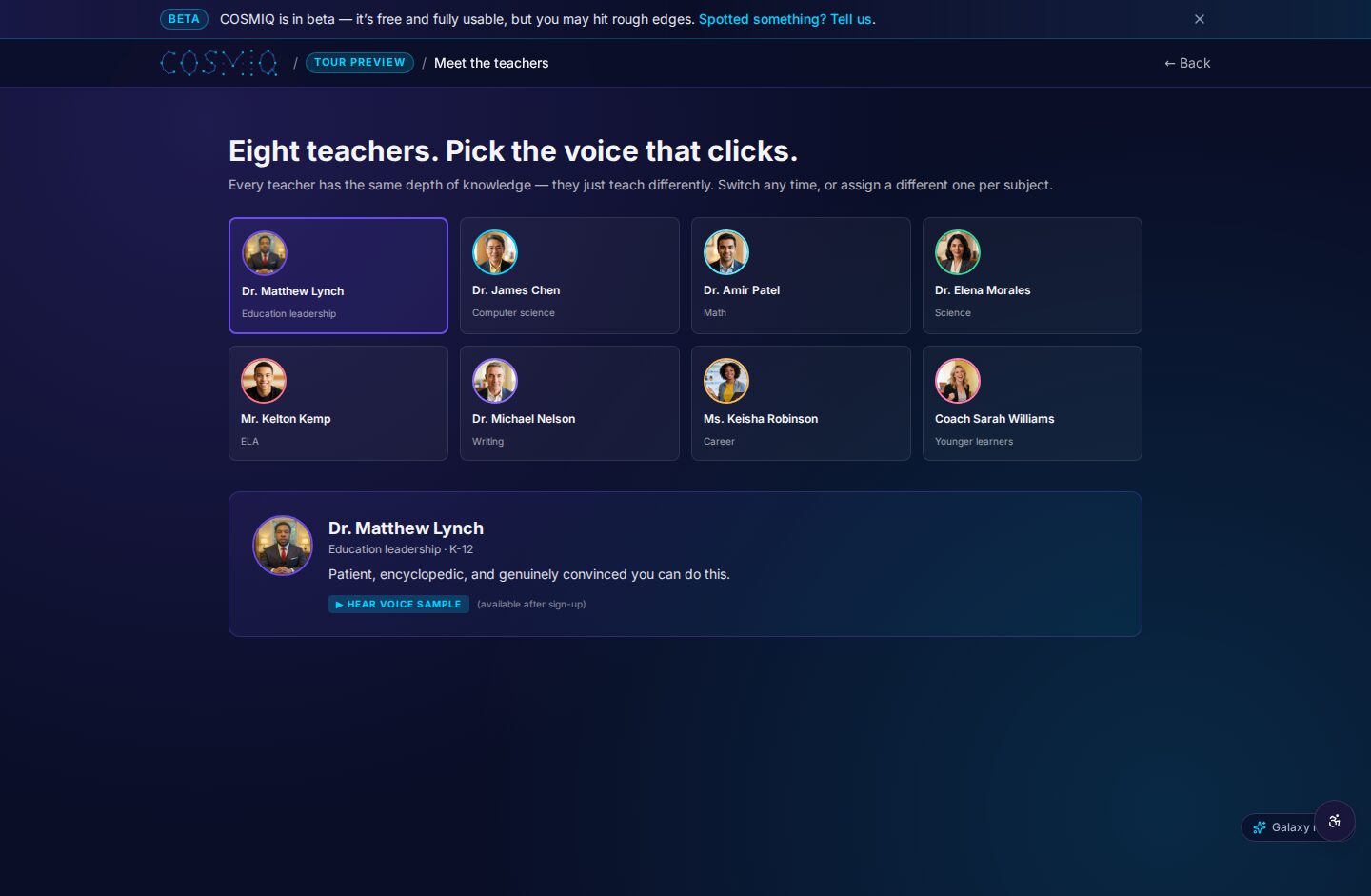
Furthermore, AI tutors can serve as a resource for teachers as well. By providing insights into student performance and engagement, they free up educators to spend more time on instruction and less on administrative tasks. Teachers can focus on meaningful interactions with students rather than getting bogged down in grading or lesson planning. For instance, if the AI indicates that a class is struggling with a specific math concept, the teacher can prioritize that topic in their next lesson.
Challenges and Considerations
While the benefits of AI tutors are compelling, it’s essential to consider the challenges involved. One significant hurdle is access to technology. In rural areas of West Virginia, not all students have access to devices or reliable internet. Addressing this digital divide is crucial for the successful implementation of AI tutors.
Moreover, there’s the human element of education to consider. While AI can provide tailored lessons, it cannot replace the mentorship and emotional support that a teacher offers. A balanced approach—one that combines the strengths of AI with the irreplaceable value of human interaction—will ultimately yield the best results.
Another concern is the potential for data privacy issues. As AI tutors collect and analyze student data, it’s important to have strong privacy protections in place. Parents and educators need to ensure that students’ personal information is secure and used appropriately. Transparency about how data is collected and utilized is critical to gaining trust from families and communities.
Additionally, there's the need for training educators to effectively integrate AI tools into their teaching. Teachers must be equipped not only with the technical skills to use AI but also with strategies to blend AI resources with traditional teaching methods. Professional development programs that focus on these areas can help ensure that AI tutors are used to their full potential.
Future Prospects for AI in West Virginia Education
Looking ahead, the integration of AI tutors into West Virginia’s education system could redefine how students learn. Schools can use AI to supplement classroom instruction, providing additional support for struggling students while also challenging advanced learners. This dual approach can create a more equitable learning environment.
As technology continues to advance, the potential applications for AI in education are vast. Imagine AI tools that can analyze student data across the state and offer insights to educators about curriculum effectiveness. This could lead to continuous improvement of the West Virginia learning standards, ensuring that they remain relevant and effective.
Moreover, AI could facilitate the creation of personalized learning communities. Through data analytics, students with similar learning profiles could be grouped together, allowing for collaborative projects that enhance learning. This could foster peer relationships and encourage teamwork skills—key components of success in both college and the workplace.
The future may also see AI expanding its role beyond just tutoring to encompass broader educational functions. For example, AI could help identify skills gaps in the workforce and tailor educational pathways to meet those needs. This alignment between education and industry can ensure that students are not only ready for college but also equipped for the jobs of the future.
Learn anything, free.
COSMIQ is a free, voice-driven AI tutor for every learner. No credit card, ever.
Start learning free →