Competency-Based Education for Career and Technical Training: Preparing Students for the Workforce

Understanding Competency-Based Education
Competency-based education (CBE) is not just a buzzword; it's a transformative approach that reshapes how we think about learning, especially in career technical training. Instead of moving at a predetermined pace, students progress as they demonstrate mastery of specific skills and knowledge. This method is tailored for those who want to enter the workforce with practical, applicable skills. So, what makes CBE so effective? Let's break it down.
In traditional education models, the focus is often on seat time—how long students spend in classrooms—rather than on whether they truly understand the material. In contrast, CBE emphasizes outcomes. You might encounter terms like 'learning outcomes' or 'competencies' frequently in CBE discussions. These refer to the specific skills and knowledge a student must master to be deemed ready for the workforce. For example, in a technical program, a student might need to prove they can operate a specific piece of machinery before moving on to more complex tasks. This shift from time-based learning to competency-based learning is pivotal, fostering an environment where education is directly tied to job readiness.
The Benefits of Competency-Based Education
The benefits of CBE for career technical training are hard to ignore. First and foremost, it allows for personalized learning experiences. Each student moves at their own pace, which means those who grasp concepts quickly can advance without waiting for others. This can lead to faster completion times for programs, which is a huge advantage in industries where time-to-hire is critical. Imagine a student who has prior experience in a particular field. With CBE, they can skip over concepts they already understand and focus on mastering new skills, ultimately graduating sooner and starting their career earlier.
Moreover, CBE aligns closely with industry needs. Employers frequently express frustration over the skills gap—they want employees who can hit the ground running, who possess relevant skills immediately upon hire. By focusing on competencies that reflect real-world job requirements, CBE ensures graduates are genuinely prepared. For instance, in healthcare, a program might require students to demonstrate proficiency in patient assessment before they can participate in clinical rotations. This kind of hands-on, competency-driven learning equips students with the exact skills they need. In fields like information technology, where technologies evolve rapidly, CBE can help students stay current with the latest tools and practices, ensuring they remain valuable assets to employers.
Implementation Strategies for CBE
So, how do educational institutions implement competency-based education effectively? Start with a clear framework. Institutions should identify the competencies required for each program. This often involves collaborating with industry stakeholders, including employers and professional organizations, to ensure the competencies align with current job demands. It’s not enough to guess what skills are needed; institutions should actively engage with the community to understand their needs. Surveys, focus groups, and advisory boards with industry experts can provide invaluable insights.
Next, develop assessments that accurately measure student mastery of these competencies. These can vary widely—from practical exams to project-based assessments—depending on the skills being taught. It’s essential to ensure assessments are rigorous and reflective of real-world scenarios. For example, in a coding bootcamp, students might be tasked with building a functional website to demonstrate their programming skills. Such projects can mimic real job tasks, helping educators evaluate whether students can apply what they've learned in a practical context.
Finally, the communication of expectations and progress tracking is vital. Students should have clear access to benchmarks and assessments that detail what competencies they need to master and how they can demonstrate that mastery. Institutions could implement regular check-ins or portfolio reviews, allowing students to showcase their progress and receive personalized feedback. This ongoing dialogue not only motivates students but also reinforces their understanding of the competencies they are working toward.
Technology's Role in CBE

Technology plays a pivotal role in the success of competency-based education models. Online platforms can facilitate personalized learning, allowing students to access resources anytime and anywhere. This flexibility is particularly beneficial for adult learners who may be balancing work and family responsibilities along with their studies. By utilizing technology, educational institutions can extend the reach of their programs, accommodating a diverse range of students and learning styles.
For instance, learning management systems (LMS) can track student progress and provide instant feedback on assessments, helping students know where they stand in their learning journey. This data-driven approach enables educators to identify areas where students struggle and adjust instruction accordingly. Additionally, the use of simulation tools in fields like healthcare or manufacturing allows students to practice skills in a controlled environment, where they can make mistakes and learn without the risk of real-world consequences. An online platform may incorporate gamified elements, engaging students by rewarding them for reaching competencies, thus making the learning process more enjoyable.
Challenges and Considerations
While the benefits of CBE are significant, it’s not without its challenges. One major hurdle is the need for faculty training. Instructors accustomed to traditional teaching methods may find it difficult to adapt to a CBE framework. Continuous professional development is crucial to equip educators with the necessary skills to guide students effectively. Institutions should provide workshops and resources that help faculty transition to this new model, emphasizing the importance of mentorship and support for both educators and students.
Moreover, institutions must consider the logistics of implementing a CBE system, such as restructuring curricula, developing new assessments, and ensuring that all stakeholders are on board with the shift in approach. This can be an intensive process, but the long-term benefits for students and employers can make it worthwhile. Institutions may also face resistance from students who are accustomed to traditional models; therefore, implementing clear communication strategies that outline the advantages of CBE can help mitigate this resistance.
Another challenge lies in the evaluation of competencies. Designing assessments that accurately reflect student mastery can be complex. Institutions need to ensure that assessments are not only comprehensive but also equitable, giving all students a fair opportunity to demonstrate their skills. This may involve training assessors to recognize diverse forms of competence in students and ensuring assessments are accessible to individuals with varying abilities. Thoughtful evaluation processes can enhance the reliability of CBE programs and provide valuable insights into student learning.
Real-World Examples of CBE in Action
Several institutions have successfully implemented CBE models in their career technical training programs. For example, Western Governors University (WGU) offers a fully competency-based model in various fields, including IT and healthcare. Students progress through courses as they demonstrate mastery, often leading to quicker degree completion rates. This has resulted in a graduation rate that surpasses traditional institutions, showcasing the effectiveness of the model.
Another example is the University of Wisconsin System, which has introduced CBE programs across several campuses. They focus on providing students with hands-on experiences that mirror real-world job scenarios. This practical approach helps bridge the gap between academic learning and skills needed in the workplace. By integrating CBE principles, they have reported increased student engagement and improved job placement rates, reinforcing the idea that practical skills lead to successful careers.
The implementation of CBE is also evident in shorter, targeted training programs provided by private institutions. For instance, coding bootcamps have gained traction by offering intensive, skill-specific training that focuses solely on the competencies necessary for job success in the tech industry. These bootcamps often have partnerships with local companies, ensuring that their curriculum aligns with the most in-demand skills. Graduates of these programs frequently transition into employment at a faster rate than their peers from traditional programs, demonstrating the power of CBE in adapting to market needs.
Future of CBE in Career Technical Training
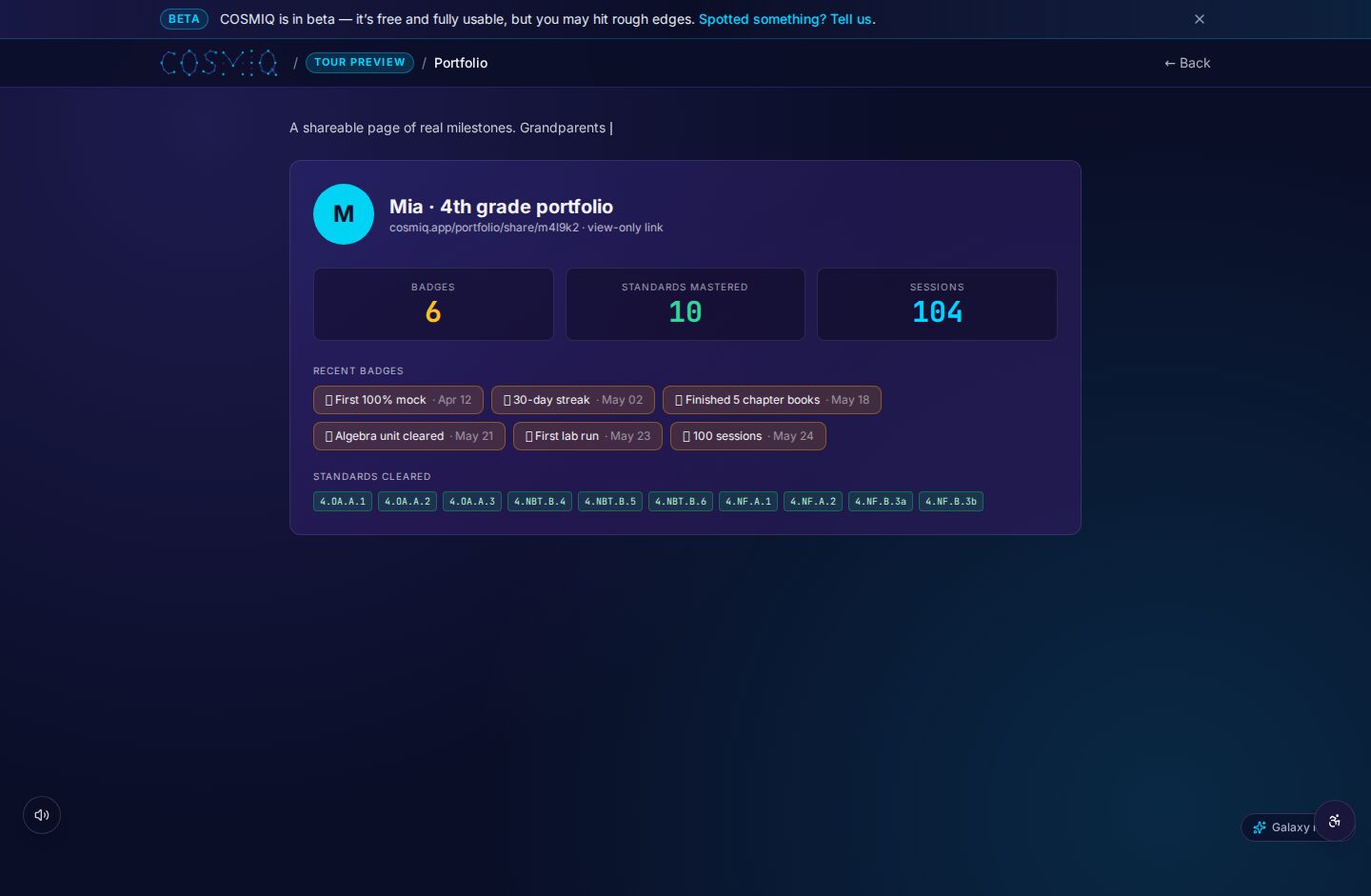
The future of competency-based education in career technical training looks bright. As industries continue to evolve and the demands for skilled workers increase, educational institutions are recognizing the need to adapt. With a focus on hands-on learning and real-world competencies, CBE prepares students to enter the workforce with confidence. The integration of technology will continue to refine CBE models, making education more accessible and tailored to individual learning needs.
As you consider your path in career technical training, keep an eye on programs that utilize CBE. They might just offer the kind of tailored, practical education you need to succeed in your chosen field. After all, it’s not just about learning; it’s about being ready for what comes next. As job markets shift and evolve, educational models that prioritize real-world skills and competencies, like CBE, will be at the forefront of preparing the next generation of professionals.
Guiding Students Towards Success in CBE
Educators and institutions must play an active role in guiding students through their competency-based educational journey. This includes establishing mentorship programs where experienced professionals can share insights and advice, helping students navigate challenges as they progress. Mentorship not only provides valuable networking opportunities but also allows students to gain insights from those who have successfully traversed the same path.
Additionally, offering career counseling services can enhance the effectiveness of CBE programs. Students should have access to resources that help them understand the job market, develop resumes, and prepare for interviews. By integrating these support services with CBE, institutions can ensure that students are not only mastering competencies but also translating those skills into successful employment outcomes. Workshops that focus on soft skills—like communication, teamwork, and problem-solving—are equally important, as these are often what employers value most in potential candidates.
Promoting Inclusivity in CBE
As CBE continues to evolve, promoting inclusivity should be a priority for institutions. This means creating an environment where all students, regardless of their backgrounds, can thrive. CBE models should be designed to accommodate diverse learning styles and needs, ensuring everyone has the opportunity to demonstrate their competencies effectively. Institutions can achieve this by employing varied teaching strategies, such as blended learning approaches that combine online resources with in-person tutorials.
Furthermore, providing resources for underrepresented groups can help level the playing field. Scholarships, mentoring programs specifically aimed at minority students, and partnerships with community organizations can encourage greater participation in CBE programs. By fostering a diverse learning environment, institutions not only enrich the educational experience but also better prepare students for working in a diverse workforce.
Related resources: proven proficiency in skills and knowledge
Learn anything, free.
COSMIQ is a free, voice-driven AI tutor for every learner. No credit card, ever.
Start learning free →