Emotional Intelligence vs. Social Skills: Understanding the Difference for Student Success
In the journey of learning and personal growth, we often hear about the importance of being 'smart.' While academic intelligence is certainly valuable, there's a growing recognition of other forms of intelligence that contribute significantly to a student's overall success and well-being. Two terms that frequently come up in this conversation are 'emotional intelligence' and 'social skills.' While they are closely related and often used interchangeably, understanding their distinct differences can help students, parents, and educators foster more targeted development.
What is Emotional Intelligence?
Think of emotional intelligence (EI) as your internal operating system for feelings. It's about how well you understand and manage emotions – both your own and, to some extent, those of others. Daniel Goleman, a pioneer in the field, popularized a model of emotional intelligence that includes several key components:
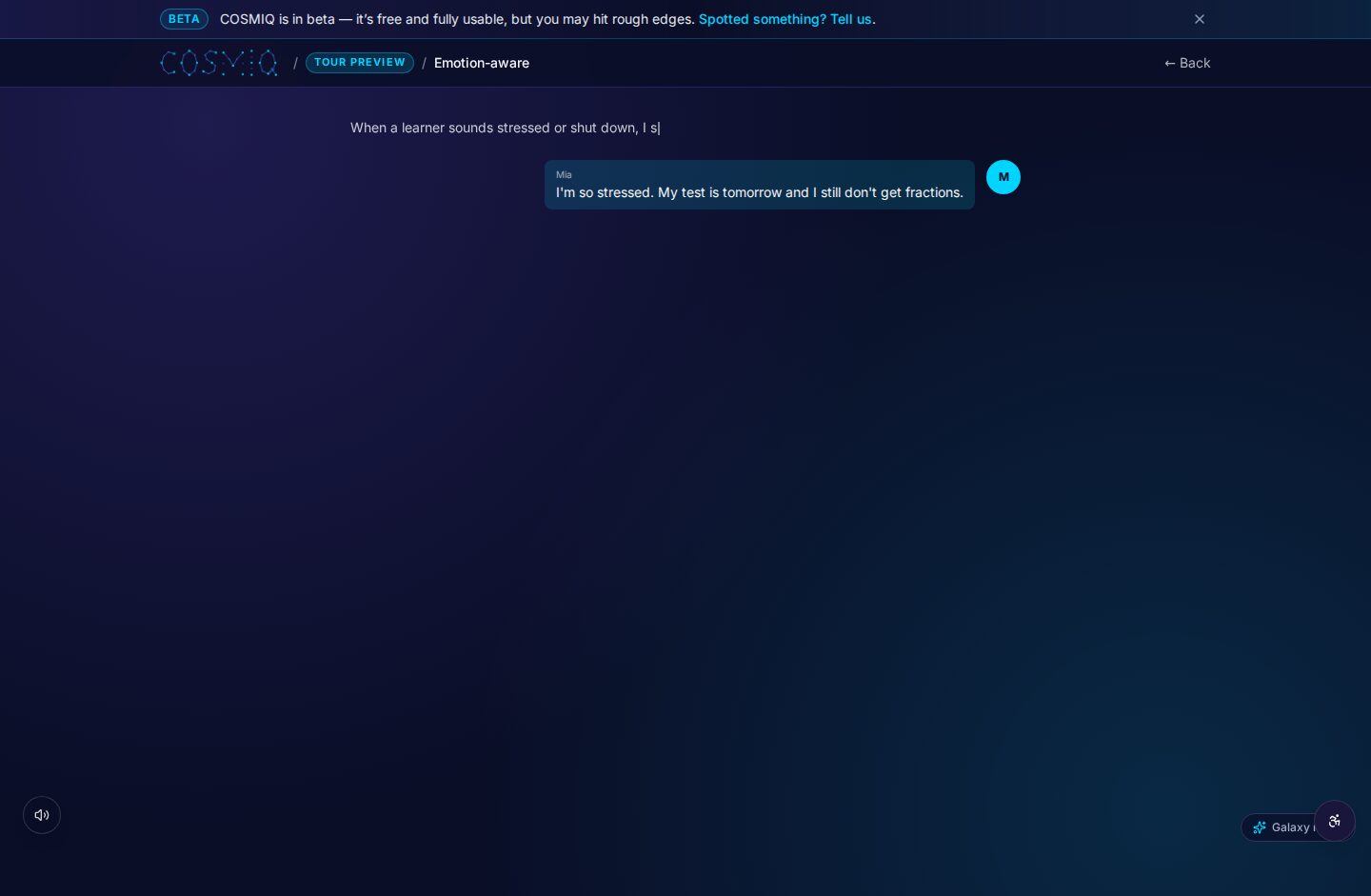
- Self-Awareness: This is the foundation. It's the ability to recognize and understand your own moods, emotions, and drives, as well as their effect on others. A self-aware student might notice they feel anxious before a big test and understand why.
- Self-Regulation: Once you're aware of your emotions, self-regulation is about managing them. It's the ability to control or redirect disruptive impulses and moods and to think before you act. A student with strong self-regulation might take a few deep breaths instead of lashing out when frustrated.
- Motivation: This refers to a passion for working for reasons that go beyond money or status – a propensity to pursue goals with energy and persistence. It's the intrinsic drive to learn and improve, even when facing difficulties.
- Empathy: The ability to understand the emotional makeup of other people. It's about putting yourself in someone else's shoes and sensing their feelings without necessarily agreeing with them. An empathetic student might notice a classmate is upset and offer a kind word.
- Social Skills (as a component of EI): While we're distinguishing between the two terms broadly, Goleman's model includes 'social skills' as a facet of emotional intelligence. In this context, it refers to proficiency in managing relationships and building networks, and an ability to find common ground and build rapport.
In essence, emotional intelligence is largely an internal capacity – the ability to perceive, understand, and manage emotions within oneself and in relation to others.
What are Social Skills?
If emotional intelligence is your internal operating system, social skills are the applications you run on it to interact with the world. They are the observable behaviors and learned rules that allow you to interact effectively and appropriately with others in various social situations. Social skills are about how you engage.
Examples of social skills include:
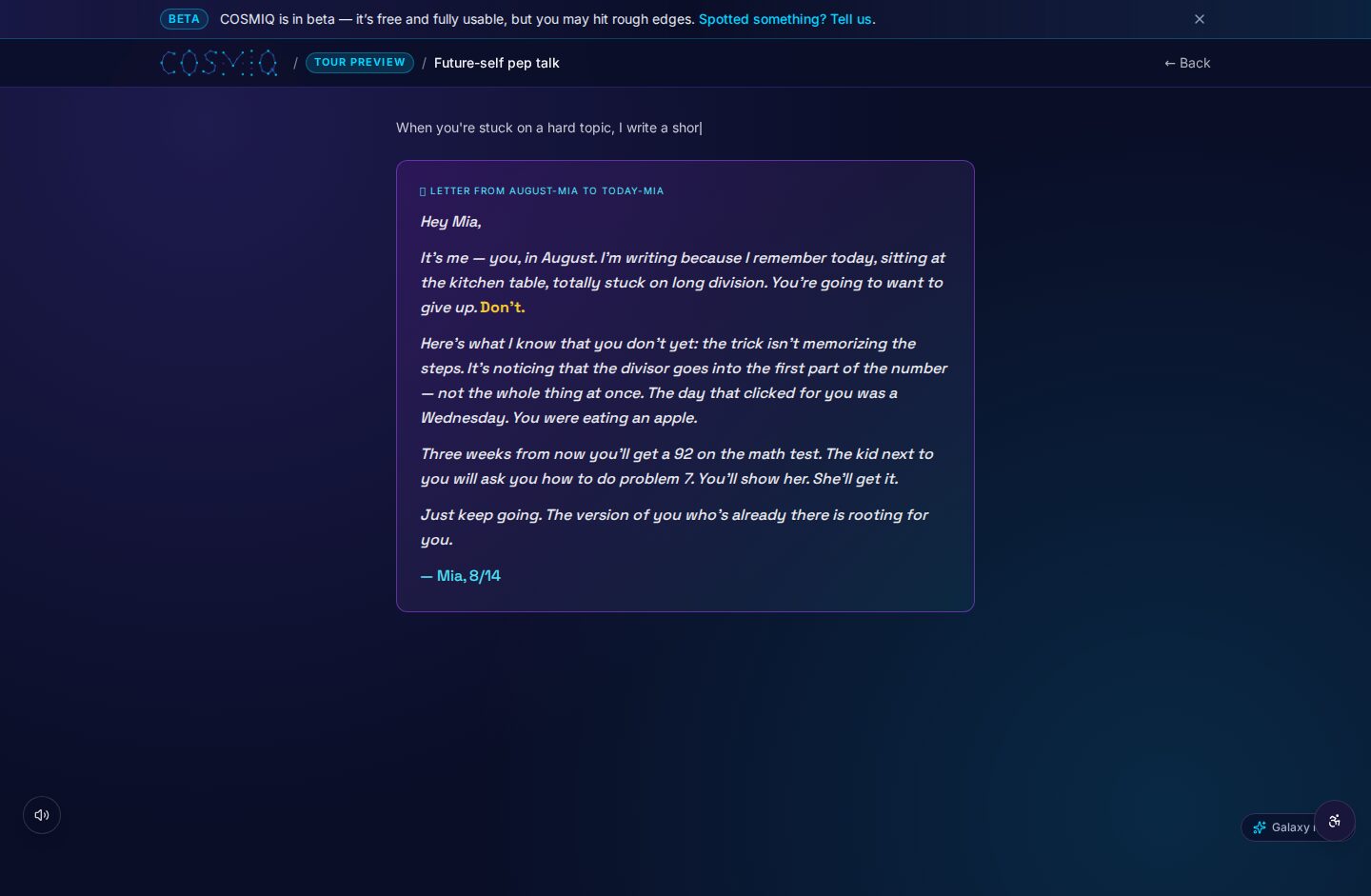
- Communication: This encompasses active listening, clear verbal expression, appropriate body language, and effective written communication.
- Cooperation: Working effectively with others towards a common goal, sharing responsibilities, and contributing constructively to group efforts.
- Conflict Resolution: The ability to address disagreements respectfully, negotiate solutions, and compromise.
- Assertiveness: Expressing your needs, thoughts, and feelings clearly and respectfully, without being aggressive or passive.
- Perspective-Taking: Understanding that others may have different viewpoints or experiences, and considering those when interacting.
- Making Friends: Initiating conversations, showing interest in others, and building positive relationships.
- Table Manners: Understanding and following unspoken rules in social settings.
Social skills are the practical, outward manifestations of your ability to navigate social environments. They are the tools you use to build connections, collaborate, and participate in communities.
The Interplay: How They Work Together
It's clear that emotional intelligence and social skills are not mutually exclusive; rather, they are deeply interconnected and mutually reinforcing. You can think of emotional intelligence as the foundation that makes strong social skills possible.
Imagine a student who is highly empathetic (an emotional intelligence trait). This empathy allows them to understand a classmate's frustration with a group project. Because they understand this emotion, they are better equipped to use their social skills – perhaps by calmly asking, "It looks like you're feeling frustrated; how can we help?" – to de-escalate the situation and foster cooperation.
Conversely, practicing social skills can also enhance emotional intelligence. When a student consistently practices active listening (a social skill), they might become more attuned to subtle emotional cues in others, thereby strengthening their empathy (an emotional intelligence trait).

Why Both Matter for Students
For students, developing both emotional intelligence and social skills is vital for success far beyond academic grades:
- Academic Performance: Students with strong EI and social skills can manage test anxiety, collaborate effectively on projects, seek help when needed, and communicate clearly with teachers.
- Mental Well-being: Understanding and managing emotions can reduce stress, build resilience, and foster a more positive outlook. Effective social skills help prevent isolation and build supportive peer networks.
- Conflict Resolution: Both are essential for navigating disagreements with peers and adults constructively, turning potential conflicts into opportunities for understanding.
- Future Success: Beyond school, employers consistently rank emotional intelligence and social skills (often termed 'soft skills') as critical for workplace success, leadership, and teamwork.
- Healthy Relationships: The ability to connect meaningfully with others, build friendships, and maintain supportive relationships is a cornerstone of a fulfilling life.
Fostering Development in Learners
Educators, parents, and even students themselves can actively work to develop both areas:
- Model Behavior: Adults can demonstrate self-awareness, emotional regulation, and effective social interactions.
- Direct Instruction: Teach specific social skills like active listening, conflict resolution steps, or how to start a conversation.
- Opportunities for Practice: Encourage group projects, team sports, community service, and extracurricular activities.
- Reflective Conversations: Talk about feelings, discuss social situations, and ask questions like, "How do you think that made them feel?" or "What could you have done differently?"
- Provide Feedback: Offer constructive feedback on social interactions, focusing on specific behaviors.
By understanding the unique contributions of emotional intelligence and social skills, we can better support students in becoming well-rounded individuals who are not only academically capable but also emotionally resilient and socially adept, ready to thrive in all aspects of life.
Learn anything, free.
COSMIQ is a free, voice-driven AI tutor for every learner. No credit card, ever.
Start learning free →