Fluency vs. Comprehension: Navigating the Path to Reading Success
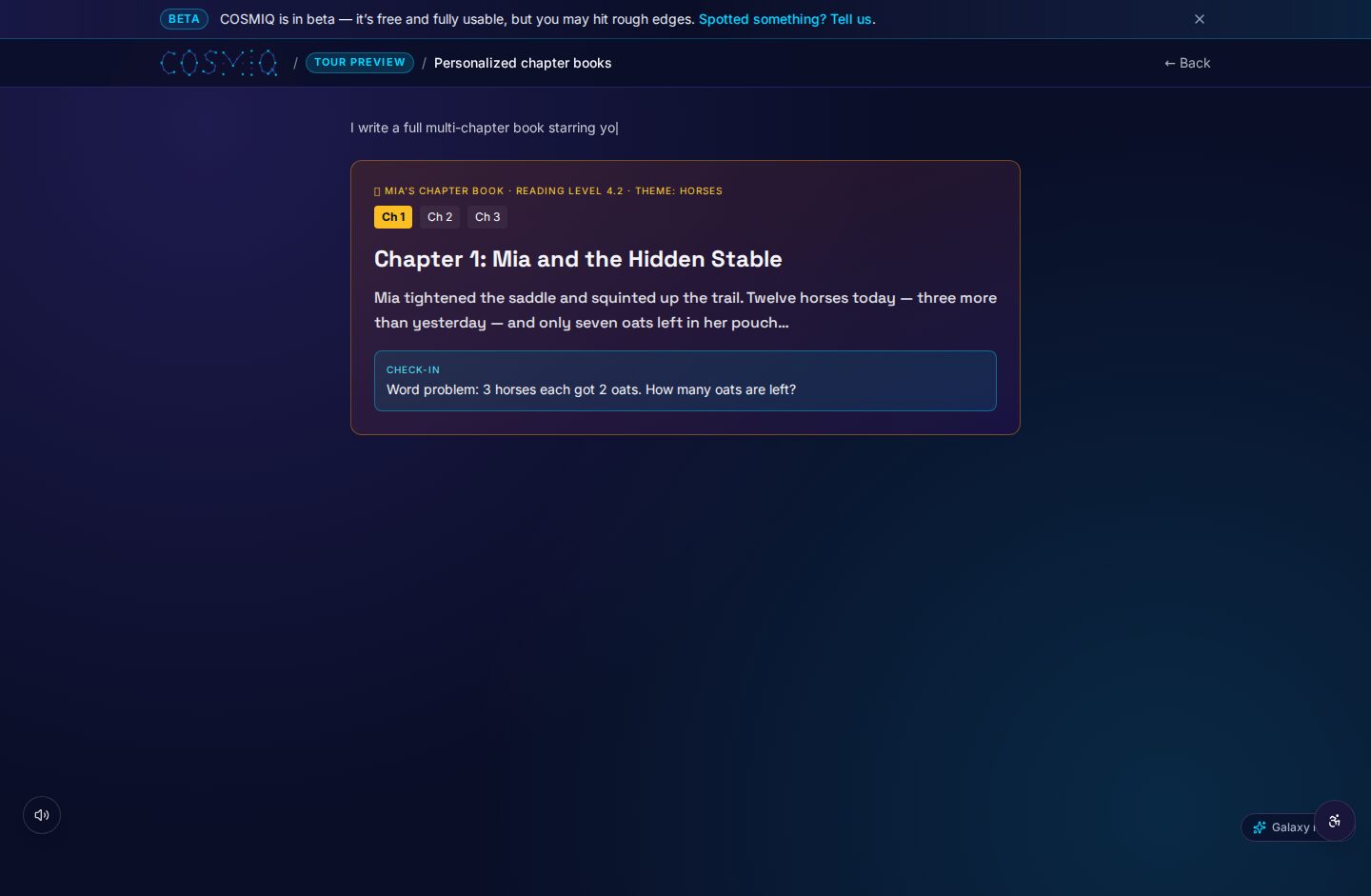
As students, parents, or educators, we often hear about the importance of reading. But what exactly makes a good reader? Is it reading quickly and smoothly, or is it understanding every word and idea? These questions lead us to two critical components of reading: fluency and comprehension. While distinct, they are deeply intertwined, and knowing where to focus your energy can make a significant difference in a reader's journey.
Defining Fluency and Comprehension
Before we discuss which to prioritize, let's clarify what each term means:
- Reading Fluency: This refers to the ability to read text accurately, quickly, and with appropriate expression (prosody). A fluent reader doesn't have to stop and decode every word; they read smoothly, almost as if speaking. Think of it like playing a musical instrument – a fluent musician plays the notes correctly, in time, and with feeling.
- Reading Comprehension: This is the ability to understand and interpret what is read. It goes beyond simply recognizing words on a page. Comprehension involves making connections, identifying main ideas, recalling details, understanding vocabulary, and drawing conclusions. It's about getting the meaning from the text.
The Interplay: Why Both Matter
It's tempting to think of fluency and comprehension as separate skills, but they actually support each other in powerful ways:
- Fluency Supports Comprehension: When a reader is fluent, their cognitive resources aren't tied up in decoding individual words. This frees up mental energy to focus on understanding the meaning of the text. Imagine trying to understand a complex lecture while simultaneously trying to decipher the speaker's accent and vocabulary – it's much harder. Similarly, a non-fluent reader expends so much effort on word recognition that they have little left for comprehension.
- Comprehension Can Enhance Fluency: While less direct, understanding the context and meaning of a passage can sometimes help a reader anticipate words and read more smoothly. If you understand the story, you might naturally read with more appropriate expression and pacing.
So, Which Comes First? A Balanced Approach
The general consensus among literacy experts is that early instruction often focuses on foundational decoding skills, which build towards fluency, and that these skills then lay the groundwork for strong comprehension. However, this doesn't mean you ignore comprehension until fluency is perfected. It's more of a gradual shift in emphasis.

Early Stages: Building Foundational Skills (Towards Fluency)
For beginning readers (e.g., kindergarten, first grade), the initial focus is often on:
- Phonological Awareness: Understanding the sound structure of language.
- Phonics: Connecting sounds to letters and letter combinations.
- Decoding: Sounding out unfamiliar words.
- Sight Words: Recognizing high-frequency words instantly.
These skills directly contribute to accuracy and speed, which are components of fluency. Without the ability to decode words efficiently, comprehension will be severely limited. During this stage, even though the primary focus might be on word recognition, teachers and parents should still engage children with questions about what they've heard or read to plant the seeds of comprehension.
Developing Stages: Fluency and Comprehension in Tandem
As readers progress (e.g., second grade and beyond), the focus naturally broadens. While continued practice in fluency is essential (e.g., through repeated readings, reader's theater), explicit instruction in comprehension strategies becomes increasingly vital. Students learn to:
- Identify the main idea and supporting details.
- Make inferences and predictions.
- Summarize text.
- Ask questions about what they read.
- Monitor their own understanding.
At this point, it's not about choosing one over the other, but rather understanding that they develop concurrently and reinforce each other. A student struggling with comprehension might benefit from fluency practice, and a student who reads fluently but doesn't understand might need targeted comprehension strategies.

Advanced Stages: Deepening Comprehension
For more advanced readers, fluency is often well-established, and the emphasis shifts heavily towards deepening comprehension, critical thinking, and analysis. This involves tackling more complex texts, understanding nuanced arguments, and evaluating information.
Practical Tips for Students, Parents, and Teachers
- Read Aloud Regularly: For younger learners, reading aloud models fluent reading and exposes them to vocabulary and story structures, fostering both skills. For older learners, listening to complex texts can aid comprehension.
- Encourage Repeated Reading: Rereading familiar texts helps build fluency, as students become more accurate and quicker with each pass.
- Ask Open-Ended Questions: Instead of just asking "What happened?" ask "Why do you think that character did that?" or "What do you predict will happen next?" This pushes comprehension.
- Teach Comprehension Strategies Explicitly: Show students how to summarize, identify main ideas, visualize, and make connections.
- Provide Varied Reading Materials: Offer books at different reading levels and on diverse topics to keep engagement high and challenge readers appropriately.
- Focus on Purposeful Reading: Help students understand why they are reading a particular text. Is it for information, enjoyment, or to solve a problem?
Conclusion
Ultimately, the goal of reading is to understand. Fluency acts as a crucial bridge, making that understanding accessible. While early instruction often prioritizes the building blocks of fluency, effective literacy development involves nurturing both skills in a balanced and integrated way. By understanding their relationship and employing appropriate strategies, we can help learners of all ages become confident, capable readers who not only read the words but truly grasp their meaning.
Learn anything, free.
COSMIQ is a free, voice-driven AI tutor for every learner. No credit card, ever.
Start learning free →