How to Find the Best Elementary Schools in California for 2026–27

Looking for the best elementary school in California for 2026–27 can feel overwhelming: there are public, charter, and private options across large and small districts, plus specialized programs and different community cultures. Rather than relying on a single ranking, use clear criteria, reliable data sources, and on-site observations to find the school that matches your child’s needs and your family’s priorities.
What “best” means: the criteria that matter
“Best” is personal. For one family it means strong literacy instruction; for another, it’s a bilingual program or a diverse student body. Consider these practical criteria when evaluating elementary schools:
- Academic program and curriculum: Look for schools that describe what students learn at each grade level and how they teach reading, writing, and math.
- Student support: Check for services such as English learner (EL) instruction, special education, counseling, and intervention programs for struggling readers.
- School culture and climate: Pay attention to how staff and students interact, behavior expectations, and whether the school emphasizes kindness, responsibility, and inclusivity.
- Class size and staffing: Ask about typical class sizes and teacher experience; consistent, well-supported teachers make a big difference.
- Programs and enrichment: Consider arts, music, STEAM, dual language, and after-school options that matter to your family.
- Accessibility and logistics: Think about commute time, before/after-school care, and how transfers or interdistrict enrollment work in your area.
- Community fit: Consider demographics, parent involvement, and values — a good match reduces friction and improves your child’s experience.
Top places and programs to look for in California
California is large and varied. While excellent schools exist statewide, some features are particularly worth seeking out depending on your goals:

- High-quality dual language or immersion programs: Many districts across the state offer Spanish or Mandarin immersion, which can be a long-term academic and cultural advantage.
- Strong foundational literacy programs: Schools that explain their approach to early reading and phonics tend to be more consistent in the early grades.
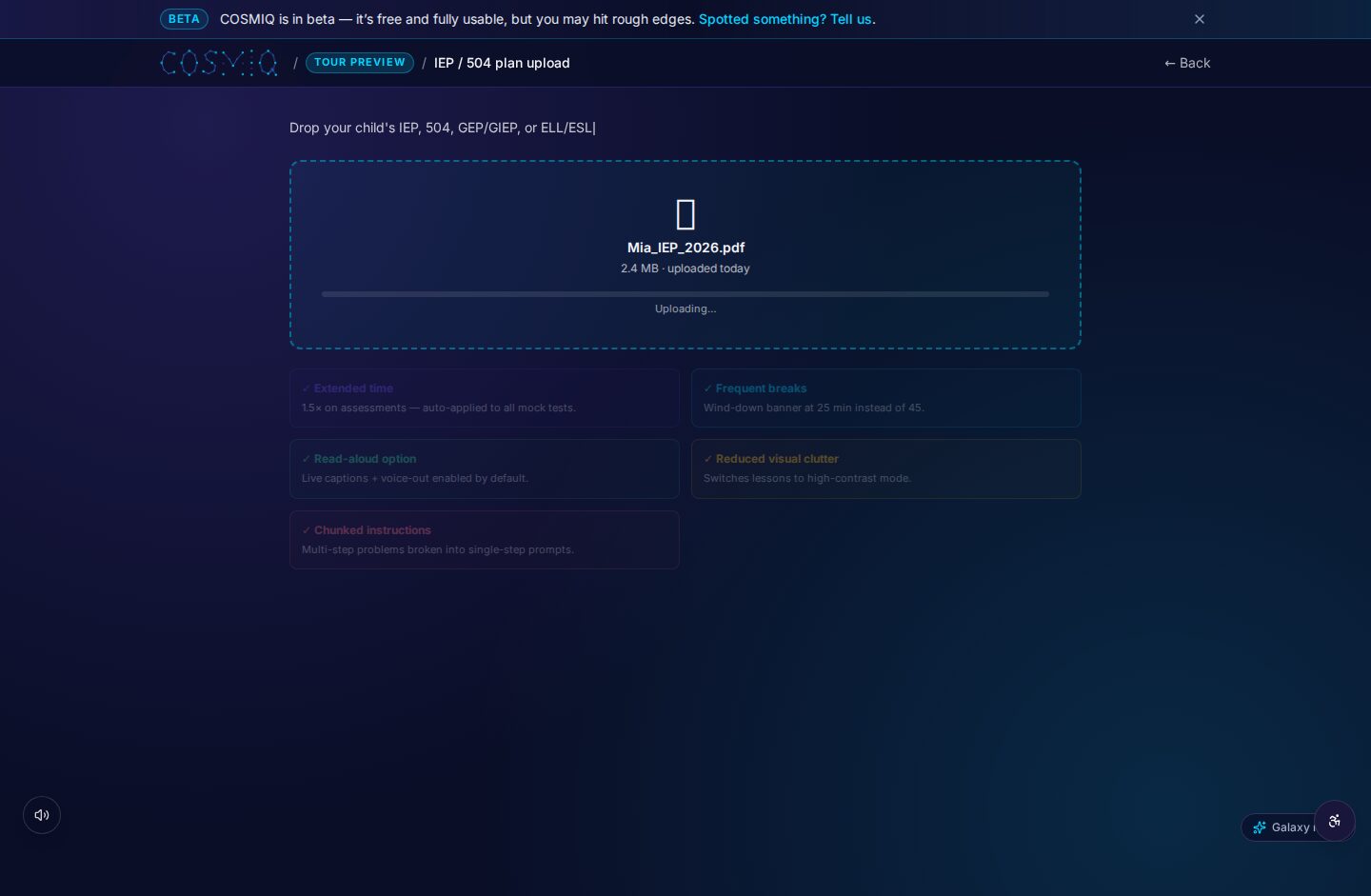
- Robust special education supports: If your child needs accommodations, prioritize districts with clear processes and resources for individualized education plans (IEPs).
- Charter and magnet options: Some families prefer schools with a focused theme (arts, science, project-based learning); these may use lotteries for admission.
- Vibrant district offerings: Larger districts may offer easy transitions to desired middle and high schools and more extracurricular choices.
How to research and compare schools — step by step
- Start with official data sources: Use the California School Dashboard and local district websites to learn about school demographics, staffing, and programs. These sources list course offerings, EL supports, and special education services.
- Cross-check community resources: Read parent reviews and local community groups for on-the-ground perspectives, but treat individual reviews as one data point rather than proof of quality.
- Make a short list: Narrow to 3–6 schools that meet your must-have criteria (program type, travel time, language services, etc.).
- Visit in person: Attend open houses, schedule a principal meeting, and observe classrooms. Look for engaged students, organized spaces, and teachers interacting positively with children.
- Ask focused questions: Sample questions include: How do you teach reading in kindergarten and first grade? What supports are available for students who fall behind? How is behavior managed? How do you communicate with families?
- Talk to current families and staff: Ask about parent-teacher communication, homework expectations, and how the school handles problems that come up.
- Compare tradeoffs: Consider academic offerings alongside softer factors such as commute and community fit — the right combination matters more than a single score.
Enrollment logistics and practical next steps
Enrollment rules vary by district and school type. To avoid surprises:
- Check each district’s enrollment page: Find deadlines, required documents (proof of residency, birth certificate, immunization records), and steps for interdistrict transfers.
- Learn about lotteries and waitlists: Charters and some magnet programs use lotteries. Ask how vacancies are filled and whether sibling preference applies.
- Prepare records early: Have immunization records, prior school records (if applicable), and ID documents ready so you can enroll quickly when a window opens.
- Plan for transportation and care: Confirm busing options and before/after-school care availability, and map realistic commute times for your family’s daily routine.
Choosing an elementary school is both practical and personal. Use data to screen options, then rely on visits and conversations to assess classroom life and fit. With a clear checklist and a short list of schools, you’ll be able to choose a school where your child can learn, feel safe, and thrive for 2026–27 and beyond.
Learn anything, free.
COSMIQ is a free, voice-driven AI tutor for every learner. No credit card, ever.
Start learning free →