How to Get a Dyscalculia Diagnosis and IEP Support

If you suspect that your child has dyscalculia, it can be overwhelming. You might have questions swirling in your head. How do I get a diagnosis? What does an IEP entail? And most importantly, how can I ensure my child gets the support they need in school? It’s a journey that many parents face, and understanding the steps can make the process smoother.
Understanding Dyscalculia
Dyscalculia is often described as math dyslexia. It’s a learning disability that affects a person’s ability to understand numbers and learn math concepts. While some kids may struggle with math temporarily, those with dyscalculia face persistent challenges. This isn’t just about being bad at math; it’s a specific difficulty that can impact daily life, from managing finances to telling time.
Recognizing dyscalculia is critical. If your child is having consistent issues with math, like difficulty with basic arithmetic or trouble visualizing numbers, it could be more than a phase. Understanding the symptoms can help you decide on the next steps.
Getting Started with a Diagnosis
The first step towards getting a dyscalculia diagnosis is to consult with a qualified professional. This could be a psychologist, a neuropsychologist, or an educational therapist. You’ll want someone experienced in learning disabilities, specifically with dyscalculia.
Schedule an assessment. This evaluation typically includes standardized tests that measure your child’s math skills, cognitive abilities, and other related areas. It’s not a one-size-fits-all evaluation; the expert will tailor it to your child’s needs. Be prepared for a comprehensive review that might also involve observations and interviews.
Gathering Documentation
Documentation is key. You’ll want to collect samples of your child’s work, report cards, and any previous evaluations. This information will help the diagnostician understand your child’s specific challenges. If your child has had other support services, make sure to include that documentation too.
Additionally, keeping a record of your observations can be invaluable. Note specific instances when your child struggled with math. Did they have difficulty counting change at the store? Did they get mixed up with math word problems? These real-life examples can help paint a clearer picture for the evaluator.
Understanding the Diagnosis

Once the assessment is complete, you’ll receive a diagnosis. If your child is diagnosed with dyscalculia, you’ll likely also discuss what this means in terms of educational support. Understanding the specific areas of difficulty can empower you to advocate for your child effectively.
Each child’s experience with dyscalculia can be different. Some might struggle with memory recall of math facts, while others may have trouble understanding mathematical concepts. Knowing the nuances of your child’s diagnosis will help you tailor the support you seek.
Creating an Individualized Education Program (IEP)
Now that you have a diagnosis, it's time to consider an Individualized Education Program (IEP). An IEP is a legal document that outlines the educational plan for a child with a disability. It describes the specific services, accommodations, and modifications your child will receive.
To initiate the IEP process, you’ll need to request a meeting with your child’s school. This usually involves contacting the school’s special education coordinator. Be prepared to present your documentation, including the dyscalculia diagnosis, and explain why you believe an IEP is necessary.
What to Expect in the IEP Meeting
The IEP meeting will involve teachers, special education staff, and possibly a school psychologist. They’ll discuss your child’s unique needs based on the diagnosis and assessment. You’re a critical part of this team, so don’t hesitate to voice your concerns and expectations.
During this meeting, you’ll work together to set specific goals for your child. Whether it’s improving math skills or developing strategies to deal with anxiety around math, these goals should be measurable and tailored to your child’s strengths and weaknesses.
IEP Support Services
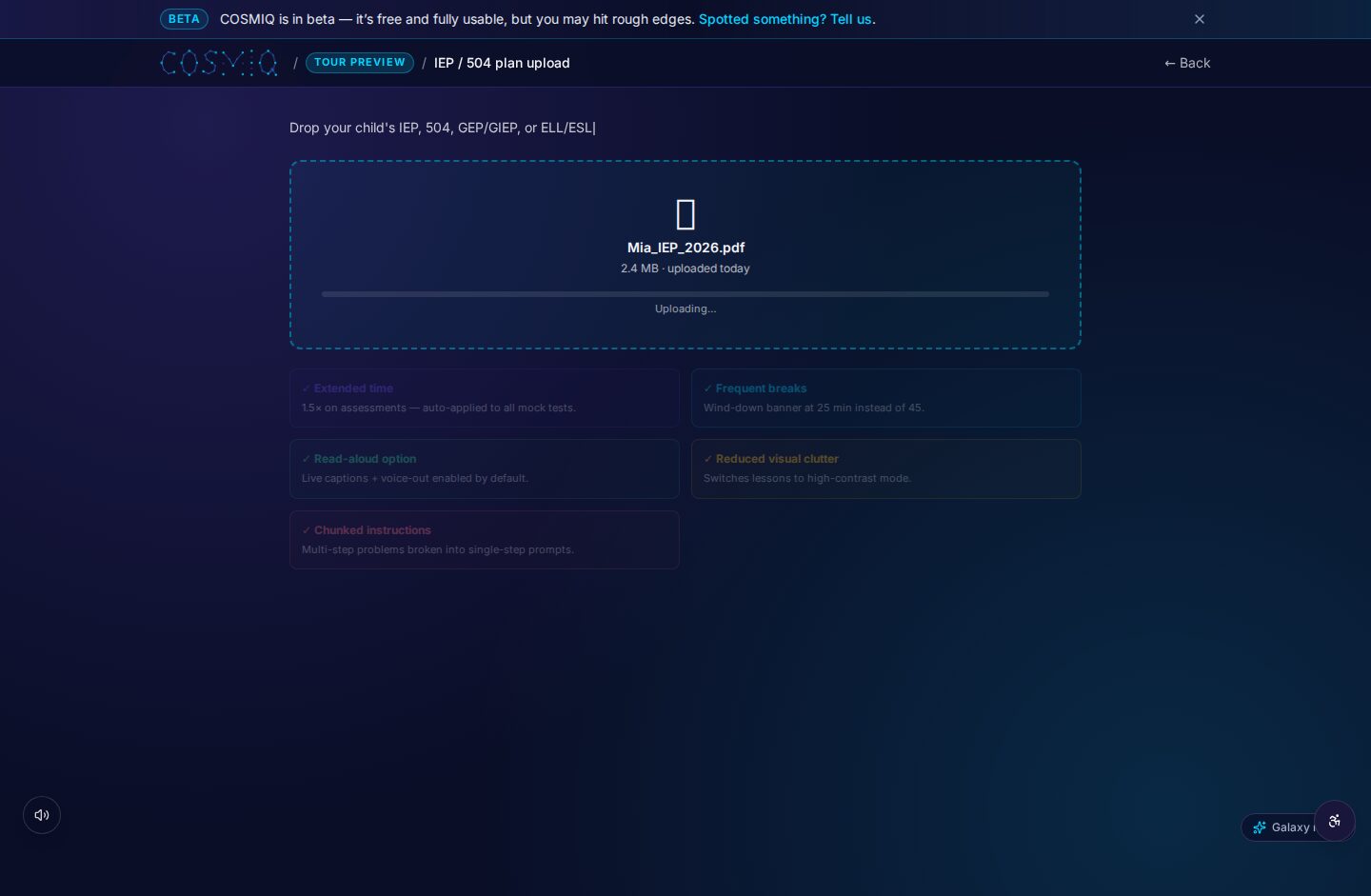
Once the IEP is in place, your child is entitled to support services. This might include specialized instruction from a special education teacher, access to tutoring, or even accommodations like extra time on tests. Each of these elements plays a crucial role in helping your child succeed.
Additionally, be aware of the accommodations your child might need. This could include using calculators, visual aids, or even modified assignments that cater to their learning style. The aim is to level the playing field so your child can thrive academically.
Staying Involved and Advocating for Your Child
After the IEP is established, your role doesn’t end. Staying involved is essential. Regularly communicate with your child’s teachers and monitor their progress. If something isn’t working, don’t hesitate to advocate for change. The IEP is a living document and can be adjusted as your child’s needs evolve.
Consider joining support groups for parents of children with dyscalculia. Connecting with others who face similar challenges can provide insights and encouragement. Plus, it’s a great way to share resources and strategies. You’re not alone in this journey.
Resources and Next Steps
There are several resources available to help you navigate the complexities of a dyscalculia diagnosis and IEP support. Websites like [Pedagogue](https://pedagogue.app/) and [The Ed Advocate](https://www.theedadvocate.org/) offer valuable information and insights about educational policies and practices. You can also check out [Dr. Matt Lynch’s website](https://www.drmattlynch.com/) for tips on understanding learning disabilities.
Remember, getting a dyscalculia diagnosis and IEP support is a process that takes time and persistence. There might be bumps along the way, but through advocacy and collaboration, you can ensure that your child receives the necessary support to succeed. Your involvement can make a significant difference in your child’s educational journey.
Related resources: visit Dr. Matt Lynch’s website · websites like Pedagogue · check out The Ed Advocate · getcosmiq.app
Learn anything, free.
COSMIQ is a free, voice-driven AI tutor for every learner. No credit card, ever.
Start learning free →