If They Didn’t Learn It, We Didn’t Teach It—Not Quite

“If they didn’t learn it, we didn’t teach it” is a powerful classroom provocation. At its best, it asks educators to look beyond what was covered and focus on what students can actually understand, explain, and use. That shift matters: a finished lesson plan, a polished slide deck, or a page turned in is not the same as learning.
Still, taken literally, the phrase puts too much weight on one person’s shoulders. Teaching matters enormously, but learning is shaped by prior knowledge, attendance, sleep, language, confidence, practice, family circumstances, peer dynamics, disability, stress, and many other factors. A more useful principle is this: when students have not learned, teachers should investigate the learning conditions and adjust what they can. That preserves professional responsibility without pretending that learning is fully under any one adult’s control.
Why the statement is worth taking seriously
For a long time, schools have sometimes confused exposure with mastery. A topic may be “taught” because it appeared on the syllabus, was explained at the front of the room, and was assigned for homework. But students may leave unable to retrieve the key idea, solve a related problem independently, or recognize when to apply the skill.
The statement challenges this habit. It encourages teachers to ask better questions:
- What exactly should students know or be able to do by the end of this lesson?
- What evidence shows that they can do it without excessive help?
- Which students are still confused, and what is the confusion?
- Did my explanation, examples, practice, and feedback match the difficulty of the task?
These questions lead naturally to formative assessment: quick, low-stakes checks during learning rather than a surprise test after the unit is over. A one-minute written response, a worked example, a brief conversation, or a request to explain an answer aloud can reveal far more than a room full of nodding heads.
Where the slogan becomes unfair
No teacher can make every learner ready at the same moment. Students do not arrive as blank slates, and they do not experience a lesson in identical ways. One student may understand a new fraction strategy immediately because of strong number sense; another may need to revisit multiplication facts, vocabulary, or confidence before the strategy makes sense.
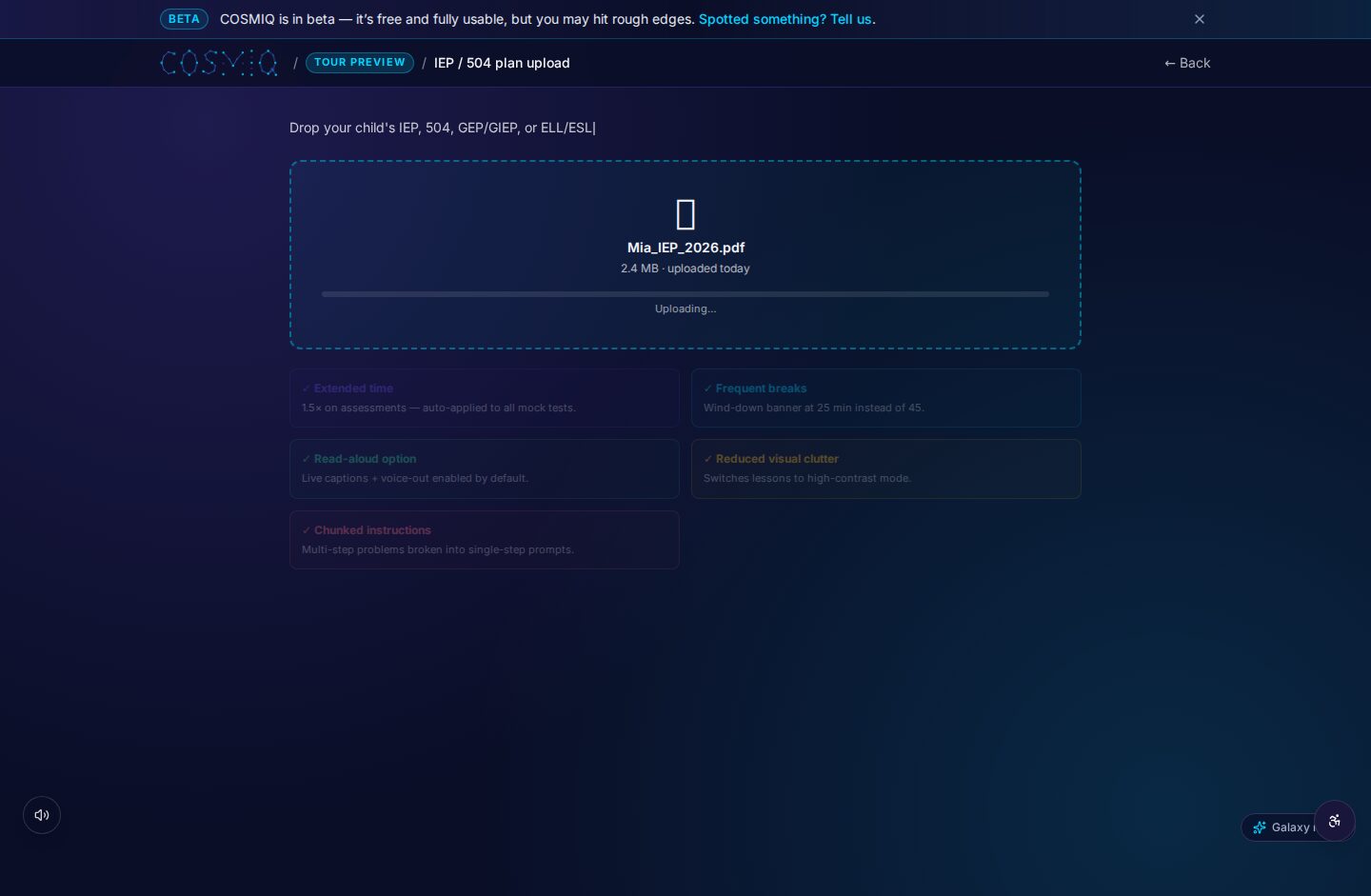
There are also barriers that good teaching alone cannot erase. A student who has missed several lessons needs a path back in. A multilingual learner may understand the concept but need support with academic language. A learner dealing with anxiety, housing instability, illness, or caring responsibilities may need flexibility as well as instruction.
Recognizing these realities is not an excuse to lower expectations. It is a reason to make support more precise. The question should not be, “Who failed?” It should be, “What is getting in the way, and what is the next helpful move?”
What responsive teaching looks like
Responsive teaching does not mean reteaching the same explanation more loudly or assigning extra worksheets to everyone. It means using evidence to make a targeted adjustment. Sometimes students need a clearer model. Sometimes they need more guided practice, a visual representation, a smaller step, a chance to discuss their reasoning, or timely feedback on a misconception.
- Make the goal visible. State the learning target in student-friendly language. Students should know whether they are learning to identify, explain, compare, analyze, or create.
- Model the thinking, not just the answer. Show how an expert approaches the task, including how to check for errors and choose among strategies.
- Build in practice before independence. Move from shared examples to supported attempts and then to independent work. Independence is a destination, not the starting point.
- Check understanding early. Ask every student to respond in some way. Listening only to volunteers can hide confusion.
- Use mistakes as information. An incorrect answer can reveal a pattern worth addressing. Name the idea behind the error, then provide a better route.
- Offer a next step. Feedback is most useful when it tells a learner what to try next, not merely what was wrong.
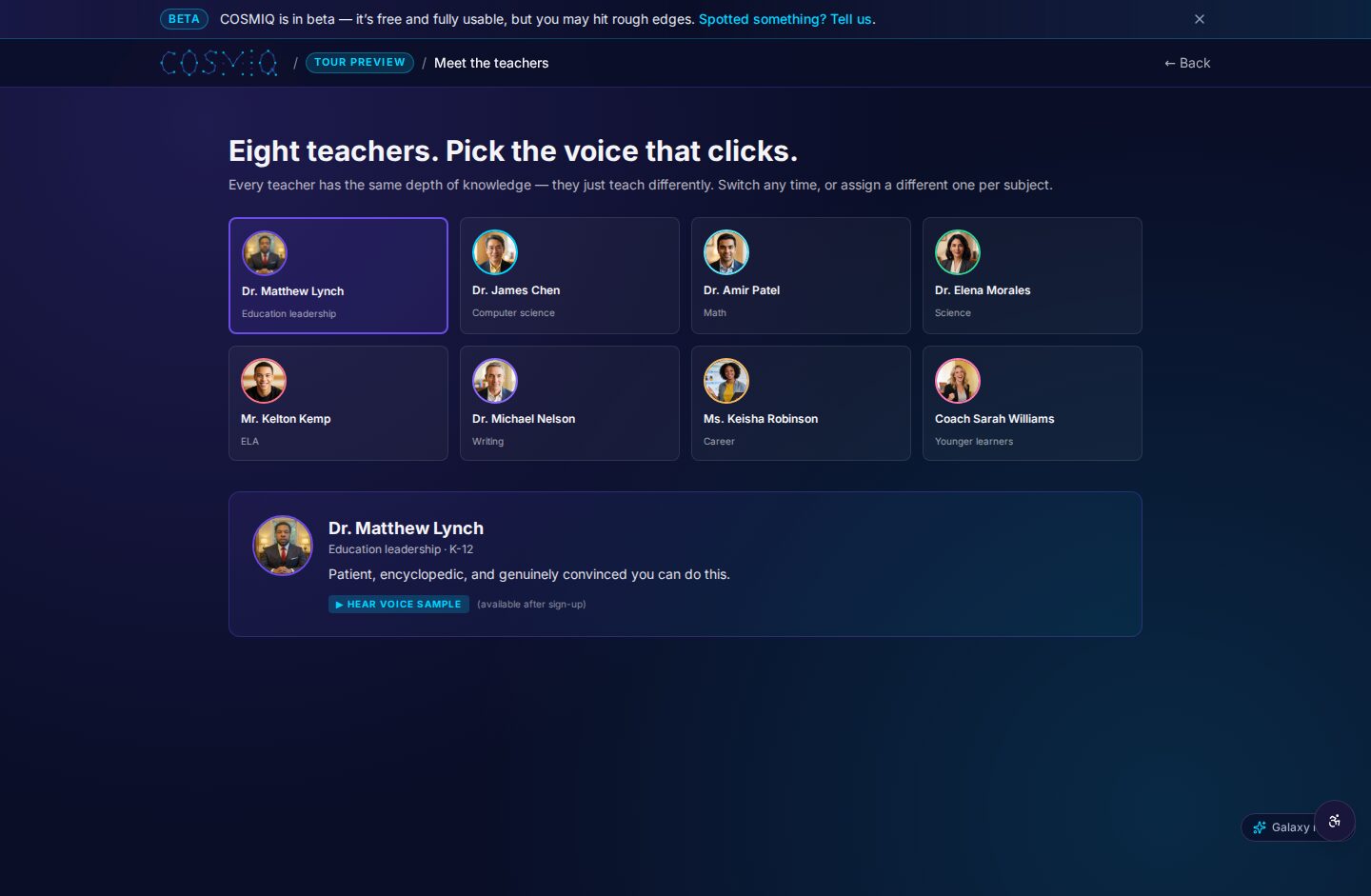
Technology can support this work when it gives students another way to ask questions, rehearse explanations, or receive practice at a manageable pace. A voice-based tutoring conversation, for example, can be especially useful for students who think aloud more easily than they write. But tools do not replace thoughtful teaching, relationships, or professional judgment.
Shared responsibility does not mean equal responsibility
Students have responsibilities too: attending when possible, asking for clarification, attempting practice, reflecting on feedback, and persisting through productive difficulty. Families can help by protecting time, encouraging curiosity, and communicating when circumstances affect learning. Schools must provide adequate time, accessible materials, specialist support, and reasonable class conditions.
Yet “shared responsibility” should never become a way to blame children for gaps they did not create. Adults hold more power over schedules, explanations, resources, and classroom climate. That is why teachers and schools should lead with curiosity and support. Students are more likely to engage when they believe confusion is temporary, questions are welcome, and revision is normal.
Teaching is not completed when information is delivered; it is strengthened when evidence of learning shapes what happens next.
A better promise to make
Instead of treating “If they didn’t learn it, we didn’t teach it” as a verdict, use it as an invitation to reflect. Did the lesson create a real opportunity to learn? Did students have the knowledge, access, practice, and feedback they needed? What can be adjusted now?
That approach is demanding, compassionate, and realistic. It respects teaching as skilled work while respecting students as individuals whose learning may take different routes and different amounts of time. The goal is not to claim total control over outcomes. The goal is to keep improving the conditions in which more learners can succeed.
Learn anything, free.
COSMIQ is a free, voice-driven AI tutor for every learner. No credit card, ever.
Start learning free →