Learning Styles vs. Learning Preferences: Understanding the Difference

When it comes to education and personal development, the terms "learning styles" and "learning preferences" often get tossed around interchangeably. But are they really the same thing? Understanding the difference can transform how you approach learning—whether you're a student, educator, or just someone eager to pick up a new skill. In this article, we’ll explore the nuances between learning styles vs preferences, how they affect your education, and what you can do to harness this knowledge for better outcomes.
Defining Learning Styles
Learning styles refer to the theory that individuals have distinct methods in which they absorb and retain information. You’ve probably heard of popular models like the VARK—Visual, Aural, Read/Write, and Kinesthetic—or the more traditional Gardner’s Multiple Intelligences. These frameworks suggest that people have unique preferences that significantly affect their learning.
For instance, a visual learner might grasp concepts better through diagrams and illustrations, while a kinesthetic learner may require hands-on experiences. The underlying idea is that tailoring educational approaches to these styles can enhance understanding and retention. However, the scientific backing for strict learning styles is contested. Many researchers argue that teaching to a specific learning style doesn’t necessarily improve educational outcomes.
Consider the story of a classroom where a teacher focuses solely on visual methods for a group of students labeled as 'visual learners.' While some students may benefit from this approach, others who don't connect with visual materials might struggle to keep up. This is where the debate gains traction—how effective is it to categorize learners strictly into one style?
Understanding Learning Preferences
On the other hand, learning preferences are more fluid. They refer to the ways individuals prefer to engage with information rather than how they learn best. Preferences are personal choices that can change based on context and content. For example, you might prefer reading a book in a quiet library over studying in a bustling café, but that doesn’t mean you can’t learn effectively in either environment.
Learning preferences can be influenced by your experiences, emotional state, or even the subject matter at hand. If you're tackling a complex topic, you might lean toward visual aids, but if it’s a straightforward concept, you may find audio explanations just fine. Recognizing your preferences allows you to create a more conducive learning environment for yourself.
To illustrate, imagine you're preparing for a major exam. If you're more of a visual learner, you might enjoy creating mind maps or infographics to summarize the material. However, if your exam is coming up soon and time is of the essence, you may switch to audio resources to reinforce your understanding more quickly. This adaptability is key in learning preferences.
Scientific Perspectives on Learning Styles vs Preferences
Several studies have explored the effectiveness of learning styles. A notable meta-analysis published in 2013 found no significant evidence to support the idea that teaching according to a student’s preferred learning style improved learning outcomes. In contrast, the concept of learning preferences aligns more closely with established educational psychology principles.
For instance, cognitive load theory highlights that everyone has cognitive limitations. By understanding your preferences, you can better manage your learning environment to reduce distractions and overload. So, while learning styles may offer an appealing framework, learning preferences tend to hold more water in practical applications.
Another compelling piece of research from the University of California, Berkeley, found that students who engaged with their learning materials in a way that aligned with their preferences were more likely to retain information over time. This suggests that while we may not have fixed learning styles, our preferences can significantly influence how effectively we learn.
Application in Educational Settings
So how does all this play out in real educational settings? If you’re an educator, knowing about learning styles might lead you to diversify your teaching methods. You might incorporate videos, group discussions, and hands-on activities to appeal to different styles. However, if you focus on learning preferences, you might instead emphasize creating a space where students can choose how they engage with material.
For students, recognizing your learning preferences can empower you to take control of your education. If you know you learn best in a quiet setting, you can seek out study spaces that match that preference. If you find that you prefer interactive methods, you might choose classes that emphasize group work or practical applications. In this sense, understanding learning preferences encourages adaptability.
Take, for example, a middle school science class. A teacher might recognize that some students thrive in group settings while others need peace to focus. By offering a mix of group projects, individual assignments, and even outdoor experiments, the teacher can cater to a diverse range of preferences, allowing all students to engage meaningfully with the subject matter.
Practical Strategies for Leveraging Learning Preferences
So, how can you leverage your understanding of learning styles vs preferences in your everyday life? Here are some actionable strategies:
1. **Identify Your Preferences:** Conduct a simple self-assessment to pinpoint how you prefer to learn. Are you more visual, auditory, or kinesthetic? Consider what environments help you focus better. Do you enjoy quiet spaces, or do you thrive in a buzzing café?
2. **Mix It Up:** Even if you have a strong preference, don’t shy away from trying various methods. If you typically learn best through reading, challenge yourself with a podcast or a video tutorial. You might discover new ways to approach a subject that resonate with you.
3. **Create Your Learning Environment:** Tailor your study space to reflect your preferences. If you excel in a clutter-free environment, make sure to organize your desk. If you prefer background noise, curate a playlist that keeps you focused.
4. **Seek Feedback:** After a learning session, take a moment to reflect on what methods worked best for you. Did you find a particular technique especially engaging? Incorporating this feedback will help you refine your approach over time.
The Role of Technology in Learning Preferences
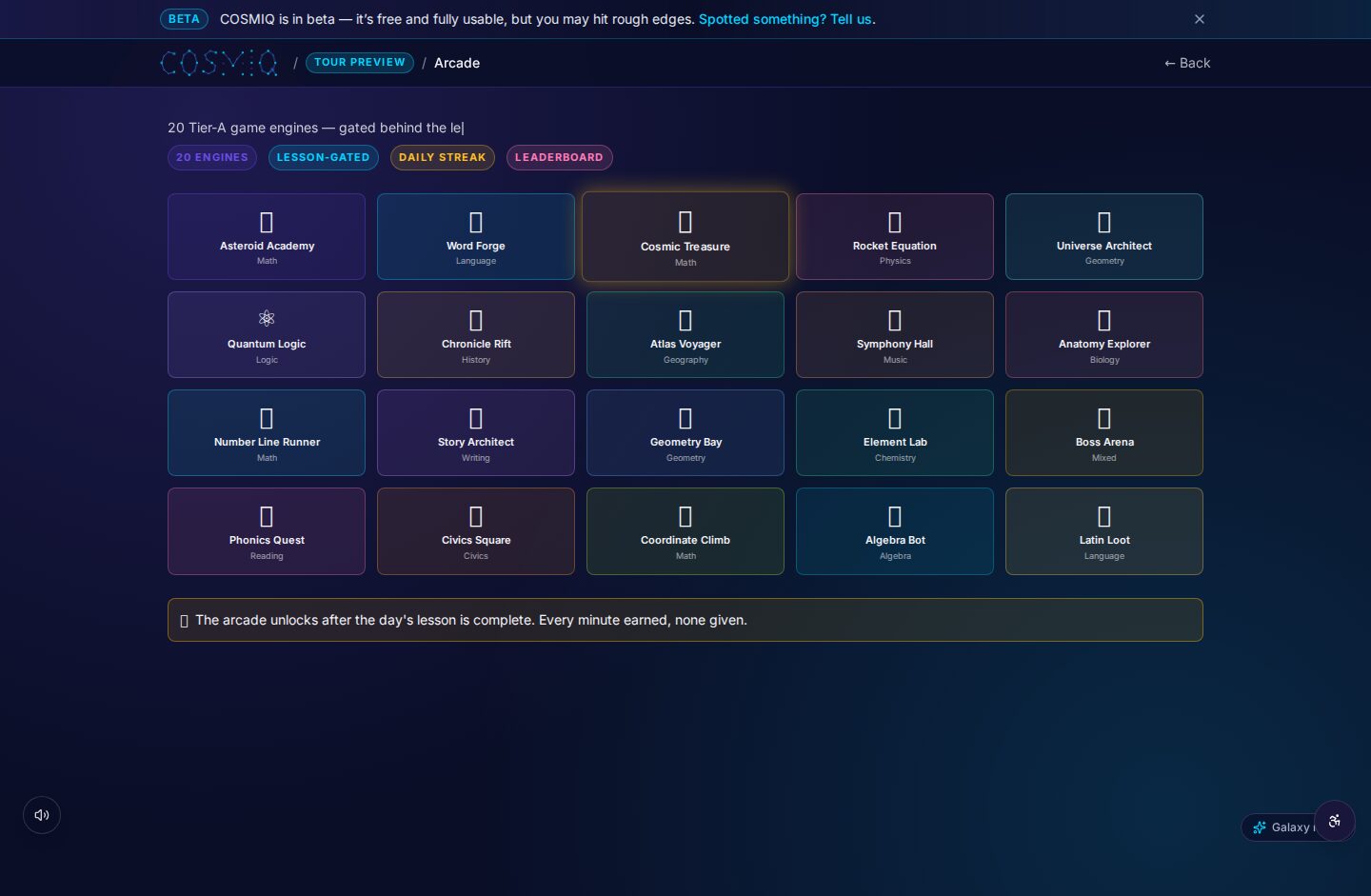
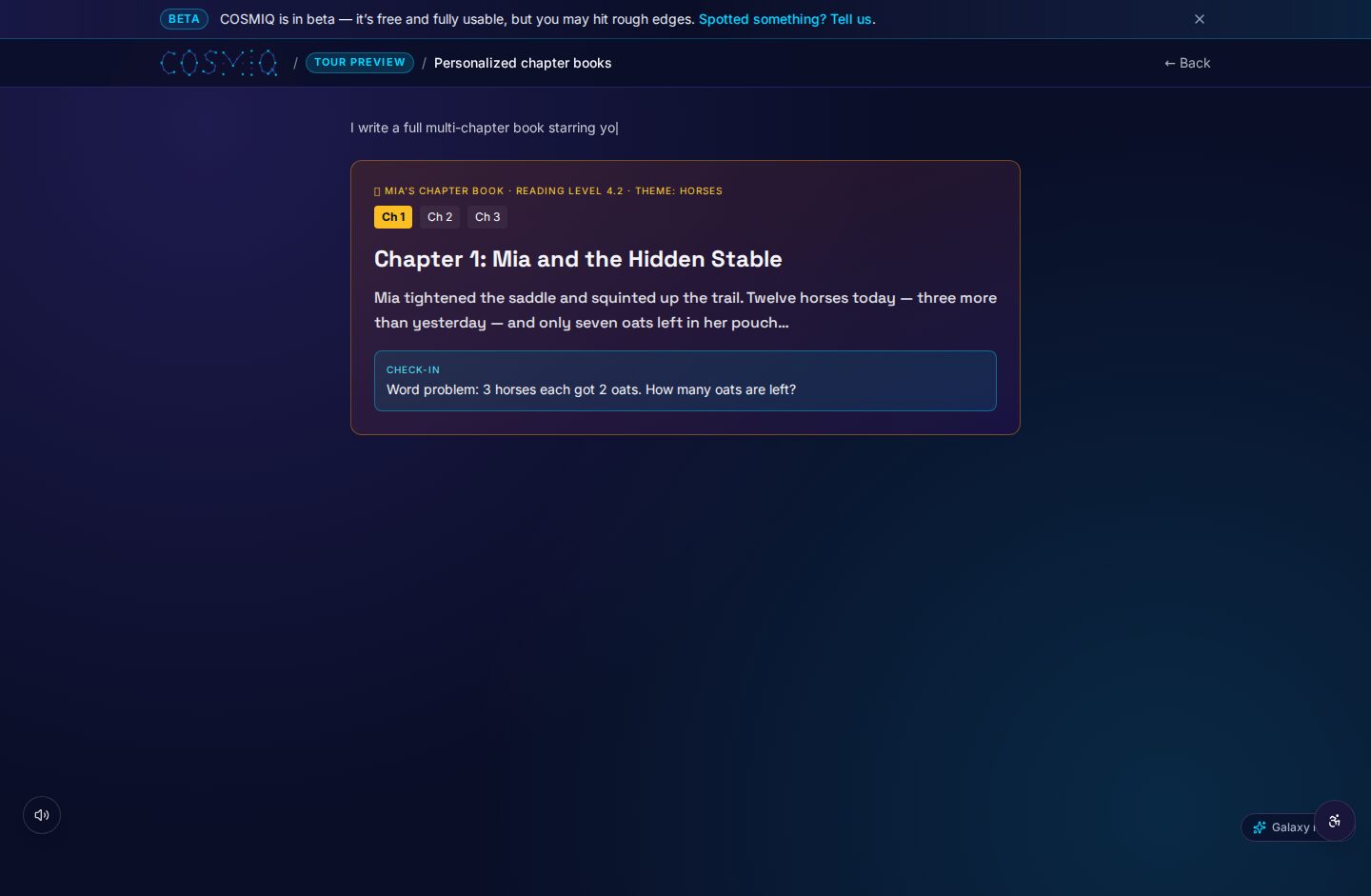
In our increasingly digital world, technology plays a significant role in shaping how we learn. Online platforms offer a plethora of resources that cater to various learning preferences. For instance, educational apps like Cosmiq allow students to engage with material in a way that aligns with their preferences, be it through interactive quizzes or video lessons.
Moreover, technology facilitates personalized learning experiences. If you prefer visual content, platforms like YouTube offer endless tutorials. If you like to listen, audiobooks and podcasts are readily accessible. The range of options available can help you tailor your educational journey to fit your unique preferences.
Virtual learning environments have particularly revolutionized how we approach education. Platforms like Khan Academy and Coursera allow students to progress at their own pace, choosing between video lectures, reading materials, or interactive exercises based on their preferences. This level of customization is a game-changer for those who may not thrive in a traditional classroom setting.
Challenging the Notion of Rigid Categories
One of the challenges with the learning styles vs preferences debate is the risk of pigeonholing individuals into rigid categories. While it’s useful to understand how you prefer to learn, it’s equally important to recognize that people are complex and can adapt.
For example, a person might identify as a visual learner but could still absorb information through listening effectively. Limiting oneself to a specific category can actually hinder growth. Embracing the idea of flexibility allows you to explore different methods and find what truly works for you.
A great illustration of this is found in corporate training sessions. Often, employees come from diverse educational backgrounds with different learning preferences. A successful training program will incorporate various teaching methods, such as interactive workshops, e-learning modules, and group discussions, allowing participants to engage with the material in a way that feels most comfortable to them.
The Impact of Emotional and Social Factors
Learning does not happen in a vacuum; emotional and social factors play a crucial role in how effectively we absorb new information. Your mood, stress levels, and even your relationships can impact your learning preferences. When you're feeling motivated and happy, you might find yourself more open to trying new methods. Conversely, if you're stressed or anxious, you might revert to familiar strategies, even if they aren't the most effective.
For instance, imagine you're attending a workshop. If you’re excited and engaged with the topic, you may find that you’re more willing to participate in discussions or group activities. However, if you’re feeling overwhelmed, you might prefer to sit quietly and take notes, even if this isn't your usual preference. Recognizing these emotional states can help you adapt your learning strategies accordingly.
Additionally, social interactions can also influence your learning preferences. Collaborating with peers often encourages exploration of different methods. If you're typically a solitary learner, working in a group might help you see the value in new perspectives and techniques, thus broadening your learning toolbox.
The Role of Cultural Context in Learning Preferences
Culture plays a significant role in shaping how we prefer to learn. Different cultures emphasize various ways of knowledge acquisition and dissemination. For instance, in collectivist cultures, learning often occurs through collaboration and group discussions. This might mean that students from these cultures may inherently prefer to learn in social settings, valuing the shared knowledge of their peers.
In contrast, individualistic cultures may encourage self-directed learning, leading individuals to prefer independent study methods. A student from an individualistic background might thrive in scenarios that allow for solitary work and self-reflection. Recognizing these cultural influences can be critical, especially in diverse classrooms or training programs.
For example, a teacher working in a multicultural environment may find it beneficial to create group projects that allow students to collaborate while also providing avenues for individual research. This dual approach can cater to both collective and independent learners, fostering an inclusive learning atmosphere that respects and integrates various cultural perspectives.
Building Lifelong Learning Habits Through Self-Awareness
Understanding your learning preferences is not just an academic exercise; it can play a crucial role in building lifelong learning habits. By maintaining awareness of how you learn best, you can adapt your strategies as you encounter new topics and challenges throughout life. This self-awareness can lead to a more fulfilling learning experience.
For instance, if you find yourself frequently shifting between different learning scenarios—like professional development courses, hobbies, or even casual learning—you can use your knowledge of your preferences to maximize your effectiveness in each situation. If you know you thrive on visual aids, you can actively seek out infographics or videos when learning about new software for your job.
Additionally, as you evolve and enter different phases of life, your preferences may shift. Staying flexible and open to experimenting with various methods can lead to richer experiences. Engaging with different learning resources can help you remain adaptable and continuously grow, allowing you to embrace lifelong learning with enthusiasm.
Conclusion: What Matters Most?
Ultimately, the distinction between learning styles and preferences comes down to flexibility and adaptability. While understanding your learning preferences can enhance your educational experience, it’s crucial not to become too rigid in your approach. Instead, treat your learning journey as a dynamic process. Explore, experiment, and find what resonates with you. In this way, you’ll not only understand the material better but also enjoy the process of learning more.
By embracing both your preferences and the various avenues available to you, whether through technology, collaborative efforts, or diverse environments, you’ll be better equipped to tackle any learning challenge that comes your way.
Related resources: understanding learning styles vs preferences · the role of technology in learning preferences · challenging the notion of rigid categories
Learn anything, free.
COSMIQ is a free, voice-driven AI tutor for every learner. No credit card, ever.
Start learning free →