Measuring What Matters: Rethinking Student Assessment

A grade can summarize performance, but it cannot tell the whole story of how a student learns. A timed test may reveal what a learner can recall that day; a project may show how they apply ideas; a conversation may uncover reasoning that is not visible on paper. Redefining student assessment means collecting useful evidence of learning, then using it to make better decisions—not simply sorting students by a number.
Why one measure is rarely enough
Traditional quizzes and exams have an important place. They can check specific knowledge efficiently, help students practise working under constraints, and show whether course objectives have been met. The problem begins when one score is treated as the complete picture of a student’s ability, effort, or potential.
Students demonstrate understanding in different ways. One learner may explain a scientific concept clearly in discussion but make avoidable errors when rushed. Another may solve complex problems accurately yet need support organizing a written explanation. Neither pattern is captured fully by a single assessment format.
A broader approach asks several questions:
- What does the student know and understand?
- What can the student do independently?
- How does the student reason, communicate, and revise?
- What misconceptions or gaps need attention?
- What is the most helpful next step?
This is not an argument for making assessment vague or easier. It is an argument for making it more precise. Clear expectations and multiple sources of evidence can give teachers a stronger basis for feedback, families a more useful view of progress, and students a clearer path forward.
Use assessment to support learning while it is happening
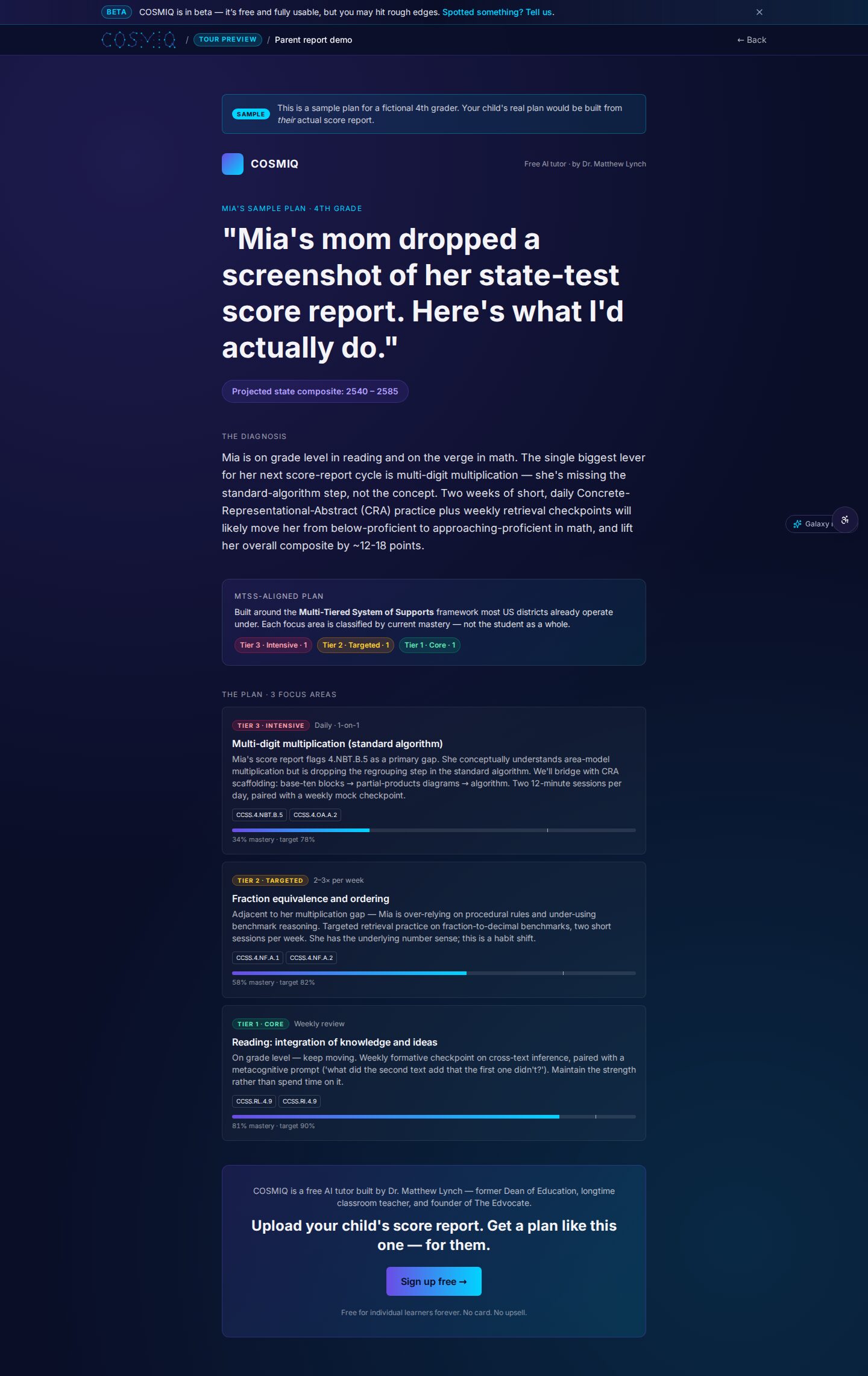
The most valuable assessment is often formative assessment: low-stakes checks used during learning rather than only at the end of a unit. Its purpose is to reveal what to practise next. A quick question, an exit reflection, a worked example, or a short oral explanation can all provide actionable information.
For teachers, formative checks can prevent a common problem: moving ahead because a few confident students answer correctly while others remain uncertain. For students, they can normalize the idea that confusion is information, not a verdict. For parents, they can make progress conversations more specific than “How did you do?”
Practical examples of formative evidence
- Retrieval questions: Ask students to recall a key idea without notes, then identify what they could not yet retrieve.
- Explain-the-why prompts: Have students describe how they reached an answer, not just state the answer.
- Error analysis: Present a plausible incorrect solution and ask students to locate and correct the mistake.
- Short conferences: A brief teacher-student conversation can clarify thinking, goals, and needed support.
- Self-assessment: Students compare their work with clear criteria and name one strength and one next step.
Digital and voice-based learning tools can also support quick practice and explanation. Their best use is not to replace teacher judgment, but to give students more chances to talk through ideas, receive prompts, and notice where their understanding breaks down.
Assess knowledge, skills, and learning habits with clarity
Meaningful assessment can include tests, writing, presentations, lab work, portfolios, demonstrations, and discussion. The format should fit the learning goal. If the goal is factual recall, a quiz may be appropriate. If the goal is evaluating evidence, a written argument or discussion may be more revealing. If the goal is carrying out a procedure, students should have an opportunity to demonstrate it.
Whatever the method, students need to know what quality looks like. A simple rubric or success criteria can make expectations visible. It should describe the work rather than label the learner. For example, “uses evidence to support each claim” is more useful than “excellent critical thinker.”
Good assessment does not ask only, “What grade did the student earn?” It also asks, “What does this work show, and what should happen next?”
It is also helpful to separate different kinds of information. Academic mastery, participation, work completion, collaboration, and growth are all worth discussing, but combining them into one unexplained mark can hide important details. A student may understand the material but need help with deadlines; another may be highly engaged but still need targeted instruction in a core skill. Distinguishing these patterns makes support more fair and effective.
Make feedback specific, timely, and usable
Feedback matters most when students can act on it. Comments such as “be more careful” or “good job” may be encouraging, but they do not show a learner what to do differently. Strong feedback identifies evidence in the work, connects it to a goal, and suggests a manageable next move.
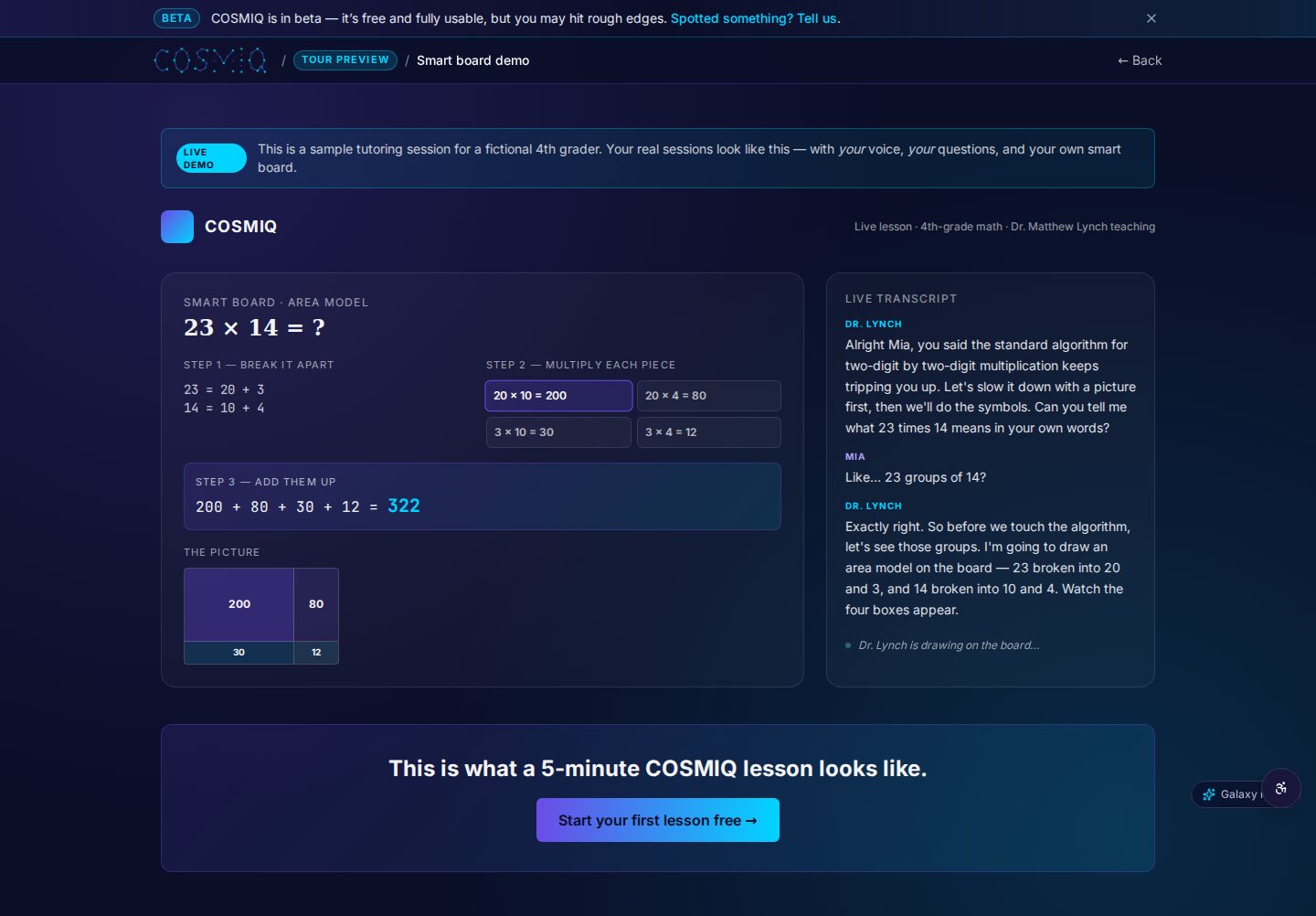
For example, instead of “Your essay needs work,” try: “Your main claim is clear. In the next draft, add evidence after each reason and explain how that evidence supports your claim.” Instead of “Study more for math,” try: “You solved equations accurately when variables were on both sides. Practise checking negative signs when distributing, then complete three mixed problems without hints.”
A simple feedback routine for students
- Review the goal: What knowledge or skill was this task designed to show?
- Find the evidence: Which parts of the work meet the goal, and which parts do not yet?
- Choose one next action: Revise a paragraph, redo two problems, explain a concept aloud, or ask a focused question.
- Check again: Use a new example to see whether the improvement transfers.
Parents can support this process by asking calm, concrete questions: “What are you working on next?” “Which part felt hardest?” and “What feedback did you receive?” These questions keep attention on learning rather than turning every result into a judgment of ability.
Build an assessment culture that values growth and honesty
Students are more likely to take intellectual risks when assessment feels fair and understandable. That means offering practice before high-stakes evaluation, allowing revision when it serves the learning goal, and teaching academic integrity explicitly. It also means preserving appropriate standards: students should complete their own work, show their thinking, and use tools responsibly.
Assessment becomes more trustworthy when students have regular opportunities to demonstrate learning over time. A portfolio of revised writing, solved problems, reflections, and teacher observations can reveal development that one isolated score may miss. Teachers can still report grades where required, while ensuring that those grades are informed by rich evidence.
Ultimately, measuring what matters means treating assessment as part of learning rather than the final judgment on it. When evidence is varied, criteria are clear, and feedback leads to action, students gain something more useful than a score: a practical understanding of what they know, what they can do, and how to keep improving.
Learn anything, free.
COSMIQ is a free, voice-driven AI tutor for every learner. No credit card, ever.
Start learning free →