São Paulo's Innovative Approach to Education: A New Learning Operating System

In an exciting development for education, the city of Guarulhos, São Paulo, is reportedly building what is described as a new “operating system for learning.” This ambitious endeavor, highlighted by the OECD Director for Education and Skills, Andreas Schleicher, suggests a significant commitment to reimagining and enhancing the educational journey for its students. Such initiatives are crucial in today's rapidly evolving world, where traditional teaching methods are increasingly being complemented by innovative approaches designed to foster deeper engagement and more personalized learning experiences.
The concept of an “operating system for learning” implies a holistic and integrated framework that extends beyond mere curriculum updates. It suggests a systemic overhaul, encompassing everything from pedagogical strategies and teacher development to the integration of technology and community involvement. For parents, teachers, and students alike, this kind of systemic innovation holds the promise of a more responsive, equitable, and effective educational environment.
A Vision for Integrated Learning
According to the OECD, the initiative in Guarulhos is not just about introducing new tools but about creating a coherent and interconnected system that supports learning at every level. This vision aims to move away from fragmented educational efforts towards a unified approach where all components work together seamlessly. Such integration could mean aligning classroom activities with broader community resources, ensuring that technology serves as a true enabler of learning, and empowering educators with the resources and training they need to thrive.
For students, an integrated learning system could translate into more consistent and relevant educational pathways. Instead of encountering isolated subjects, they might experience learning as a connected journey, where knowledge from one area naturally informs another. This can help students develop critical thinking skills and a more comprehensive understanding of the world around them. For example, a project exploring local environmental issues could integrate science, geography, and even civics, making learning more meaningful and applicable.
Empowering Educators and Personalizing Pathways
A core aspect of any successful educational transformation is the empowerment of its educators. The development of a new learning operating system in Guarulhos likely places a strong emphasis on professional development, providing teachers with the skills and support necessary to navigate new methodologies and technologies. According to the OECD, this focus on teacher capacity building is vital, as teachers are at the forefront of implementing any new educational vision.
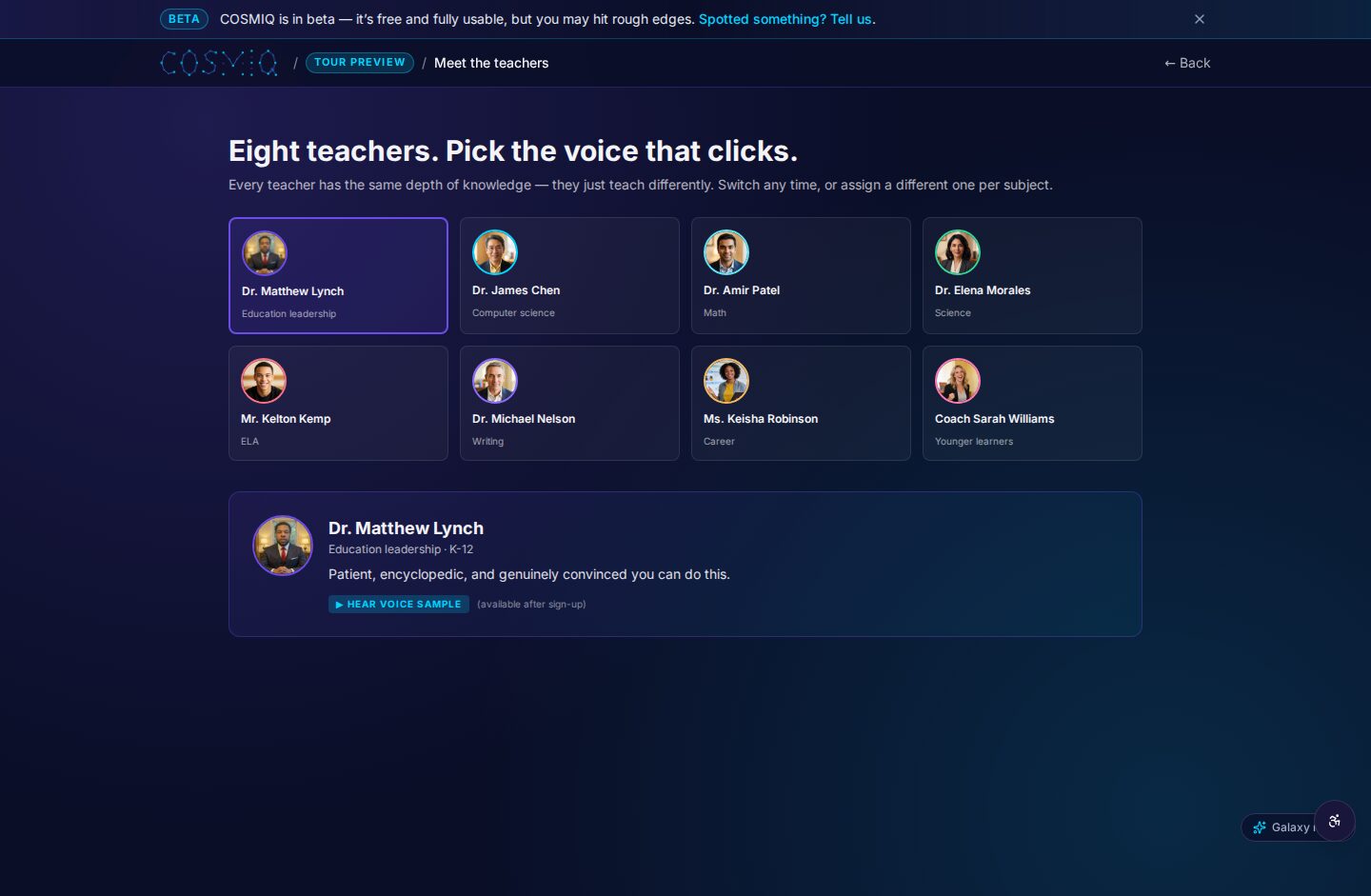
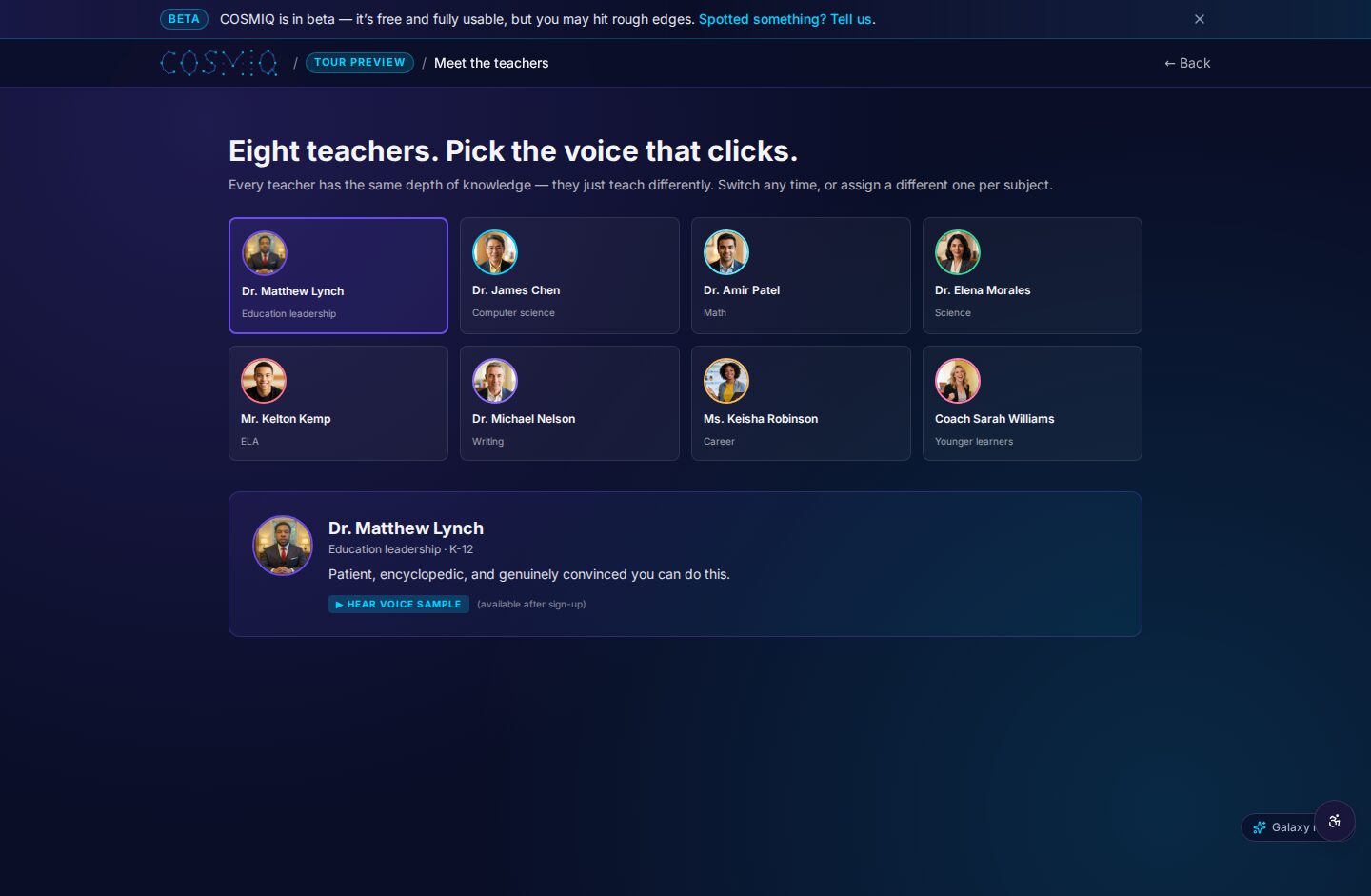
Furthermore, such a system could pave the way for more personalized learning pathways. Recognizing that every student learns differently, a sophisticated operating system for learning might leverage data and adaptive technologies to tailor educational content and pace to individual needs. This doesn't mean replacing human interaction but rather augmenting it, allowing teachers to focus more on mentorship and guiding students through complex concepts. In this context, tools like COSMIQ, a free voice-driven AI tutor, can complement classroom learning by offering personalized, on-demand support for K-12 students, helping them practice and understand subjects at their own pace, entirely free.
The Role of Technology and Community Engagement
While the specifics of Guarulhos's new operating system are still emerging, it's reasonable to infer that technology will play a crucial role. This isn't just about providing devices, but about strategically integrating digital tools to enhance learning, facilitate communication, and provide access to vast resources. Technology can break down traditional classroom walls, connecting students to global knowledge and collaborative projects.
Equally important is community engagement. A truly effective learning ecosystem extends beyond the school building, involving parents, local businesses, and cultural institutions. According to the OECD, fostering these connections can enrich the learning experience, providing students with real-world contexts and opportunities for application. Imagine students collaborating with local organizations on community projects, bringing their classroom learning to life and contributing positively to their city.
For parents, understanding how these technological and community elements integrate into their children's education can be invaluable. Resources that explain these new approaches, such as comprehensive user guides for educational tools, can help bridge the gap between home and school learning, ensuring everyone is aligned in supporting the student's growth.
Looking Ahead: A Model for the Future?
The initiative in Guarulhos represents a forward-thinking approach to education that could serve as a model for other cities and regions. By focusing on a systemic, integrated, and learner-centric framework, São Paulo is demonstrating a commitment to preparing its youth for the challenges and opportunities of the 21st century. While the journey of building such an extensive system is undoubtedly complex, the vision put forth by the city, as highlighted by the OECD, is one of optimism and innovation. It underscores the belief that by investing in a robust and adaptable learning infrastructure, we can unlock the full potential of every student.
Learn anything, free.
COSMIQ is a free, voice-driven AI tutor for every learner. No credit card, ever.
Start learning free →