Supporting English Learners: Practical Solutions for Today’s Schools

In today’s diverse educational landscape, supporting English Learners (ELs) is more crucial than ever. These students bring a wealth of cultural perspectives and linguistic strengths to our classrooms, and ensuring their academic success and well-being requires thoughtful, deliberate strategies. Whether you're a teacher looking for new approaches, a parent seeking ways to advocate for your child, or an administrator aiming to build a more inclusive school community, understanding how to effectively support ELs is key. This article explores practical solutions that can make a real difference for ELs in schools today.
Understanding the Needs of English Learners
Before implementing solutions, it's vital to recognize the diverse needs within the EL population. ELs are not a monolithic group; they come from various linguistic backgrounds, have different levels of prior schooling, and possess varying proficiencies in their home language and English. Some may be newcomers with limited English proficiency and little formal education, while others might be long-term ELs who speak conversational English but struggle with academic language. Key considerations include:
- Language Proficiency Levels: Tailoring instruction to a student's current English proficiency (e.g., beginning, intermediate, advanced) is fundamental.
- Prior Educational Background: Students with interrupted schooling or those from different educational systems may need additional support in understanding classroom routines and academic expectations.
- Cultural Background: Cultural differences can impact participation, communication styles, and understanding of content.
- Socio-emotional Well-being: Adjusting to a new language and culture can be stressful. Creating a welcoming and safe environment is paramount.
Classroom Strategies for Effective EL Support
Teachers play a pivotal role in creating an environment where ELs can thrive. Integrating language and content instruction is at the heart of effective EL support. Here are some practical strategies:
Scaffolding Instruction
Scaffolding involves providing temporary support to help students achieve higher levels of comprehension and skill. This can include:
- Visual Aids: Use pictures, diagrams, realia (real objects), and videos to convey meaning.
- Graphic Organizers: Help students organize information, make connections, and prepare for writing or speaking tasks.
- Sentence Stems and Frames: Provide structures for students to express their ideas orally and in writing, building academic language.
- Pre-teaching Vocabulary: Identify key vocabulary before a lesson and teach it explicitly, using visuals and gestures.
- Differentiated Instruction: Adapt assignments, reading materials, and expectations based on individual proficiency levels.
Promoting Interaction and Collaboration
Language acquisition is a social process. Encourage ELs to use English in meaningful ways:
- Pair-Share and Small Group Work: Provide opportunities for students to discuss ideas with peers in a less intimidating setting.
- Structured Academic Talk: Teach students how to engage in academic conversations, using phrases for agreeing, disagreeing, clarifying, and elaborating.
- Total Physical Response (TPR): Use commands and actions to teach vocabulary and concepts, especially for beginners.
Leveraging Technology
Technology offers powerful tools for EL support:
- Translation Tools: Use responsibly for quick understanding, but not as a replacement for learning English.
- Text-to-Speech and Speech-to-Text: Assist with reading comprehension and writing for students at various proficiency levels.
- Interactive Language Learning Apps: Supplement classroom instruction with engaging practice opportunities.
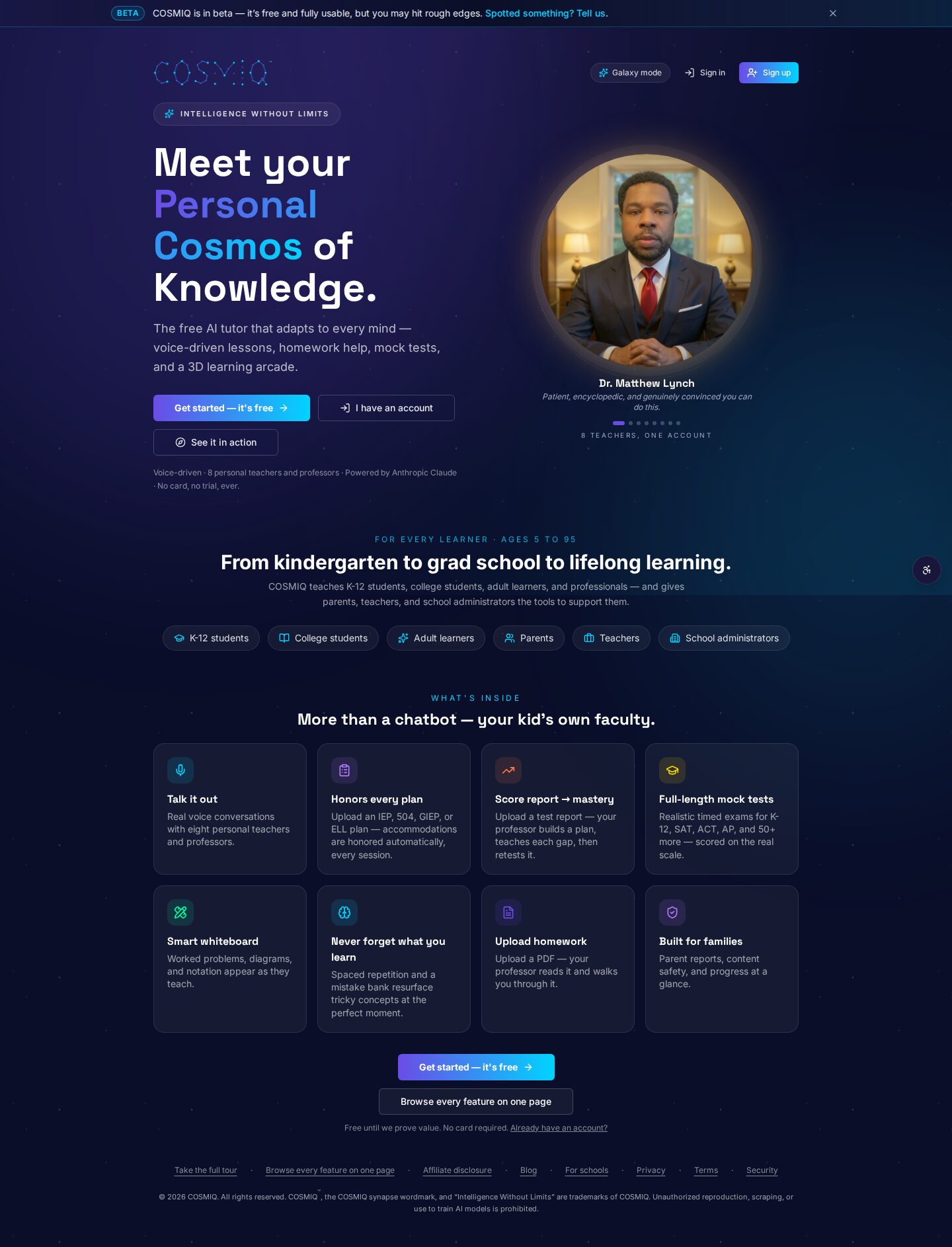
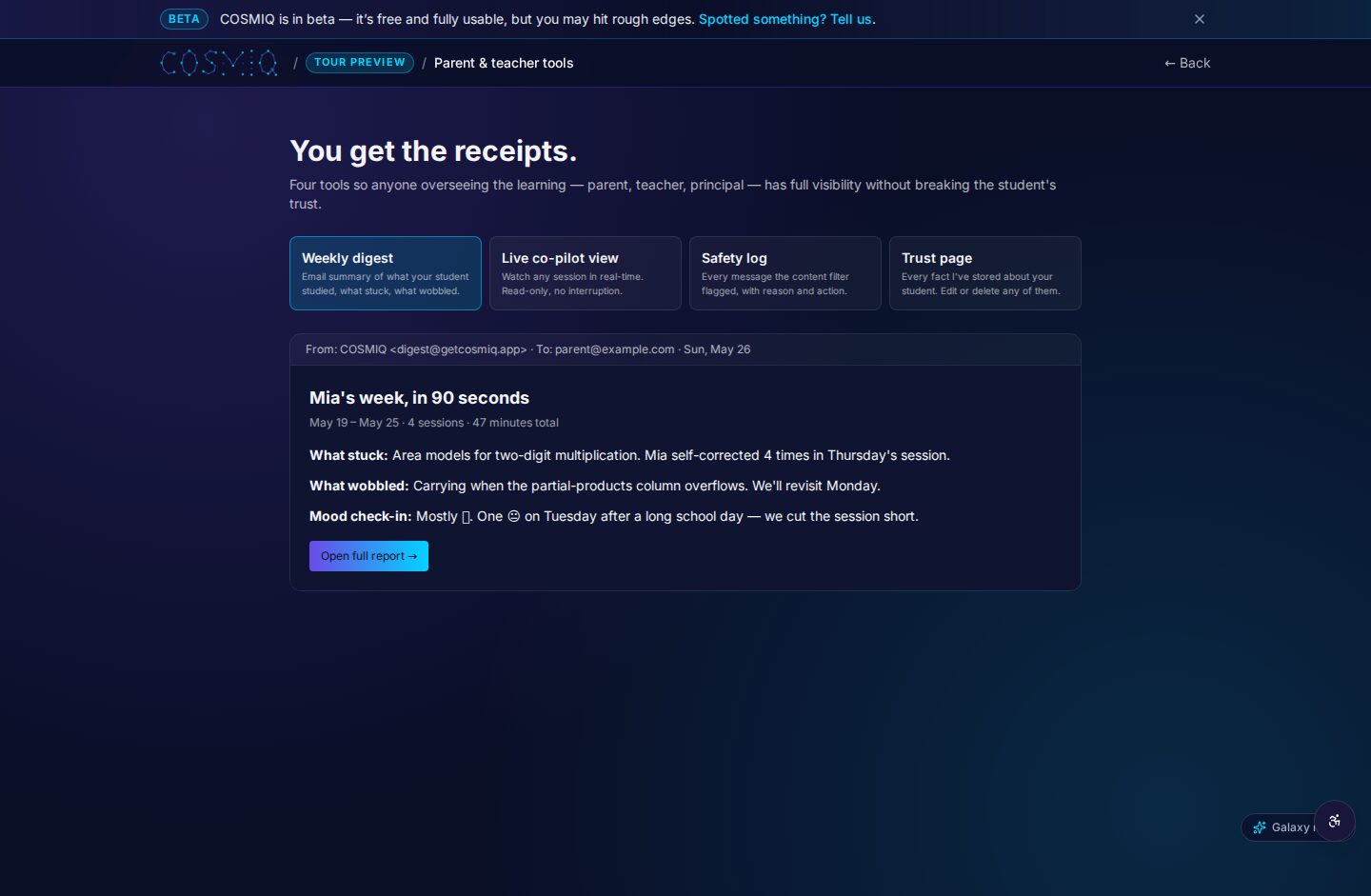
- AI Tutoring Platforms: Tools like COSMIQ can provide personalized, voice-driven support, allowing ELs to practice speaking and listening in a low-stakes environment, receive immediate feedback, and clarify concepts in their own language if needed, fostering confidence and accelerating language acquisition.
School-Wide and Parental Support
Effective EL support extends beyond the individual classroom. A whole-school approach and strong home-school connections are vital:
- Professional Development: Ensure all staff, not just EL specialists, receive ongoing training on best practices for supporting ELs.
- Culturally Responsive Practices: Acknowledge and celebrate the diverse cultures and languages represented in the school community.
- Parental Engagement: Communicate regularly with parents, using interpreters or translated materials when necessary. Host workshops to help parents understand the school system and how to support their child's learning.
- EL Programs and Resources: Ensure robust EL programs are in place, whether pull-out, push-in, or dual-language models, to provide targeted language instruction.
- Advocacy: Schools should advocate for resources and policies that benefit ELs, recognizing their unique needs and contributions.
Supporting English Learners is a collective responsibility that enriches the entire school community. By implementing practical classroom strategies, leveraging technology, and fostering strong school-wide and parental partnerships, we can create truly inclusive environments where every EL student feels valued, understood, and empowered to reach their full academic and personal potential. Let's continue to champion these students and celebrate the linguistic and cultural diversity they bring to our schools in 2026 and beyond.
Learn anything, free.
COSMIQ is a free, voice-driven AI tutor for every learner. No credit card, ever.
Start learning free →