Shaping Tomorrow's Learning: What Young People Envision for Education in 2040

Understanding the future of education isn't just about technological advancements or policy changes; it's fundamentally about listening to the voices of those who will experience it most directly: young people. The Organisation for Economic Co-operation and Development (OECD) has once again demonstrated its commitment to this crucial perspective through its Youthwise advisory board. Their recent announcement, spotlighting what young people expect from education in 2040, provides an invaluable roadmap for parents, educators, and policymakers alike. This proactive engagement by the OECD helps ensure that educational systems evolve in ways that truly serve the learners of tomorrow, preparing them not just for a changing world, but for a world they actively help to shape.
The OECD's work in gathering these insights is particularly commendable. By empowering young people through platforms like Youthwise, the organization fosters a direct dialogue that bridges the gap between current educational structures and future aspirations. This approach moves beyond theoretical discussions, grounding the future of learning in the authentic experiences and desires of those who will inherit it. For anyone invested in the success and well-being of the next generation, these findings offer a compelling call to action, reminding us that the most effective educational strategies are those built on understanding and collaboration.
Beyond Rote Learning: Skills for an Unpredictable Future
One of the clearest messages emerging from the OECD's Youthwise insights is a strong desire for an education that transcends traditional academic silos. Young people, according to the OECD, are looking for an education that equips them with adaptable skills rather than just memorized facts. This includes critical thinking, problem-solving, creativity, and emotional intelligence. They recognize that the world of 2040 will be characterized by rapid change and complex challenges, and their education needs to reflect this reality.
For parents, this emphasizes the importance of fostering these 'soft skills' at home and advocating for their inclusion in school curricula. It's about encouraging curiosity, resilience, and the ability to navigate uncertainty. Teachers, too, can find inspiration in these expectations, shifting pedagogical approaches to embrace project-based learning, collaborative activities, and real-world applications that develop these crucial competencies. The OECD's focus here is a powerful affirmation of the long-held belief that true learning prepares individuals for life, not just for tests.
Personalized Pathways and Holistic Well-being
The OECD's report also highlights a significant expectation for more personalized learning experiences. Young people are looking for educational paths that cater to their individual strengths, interests, and learning styles. They envision an education system that is flexible, offering diverse options and opportunities for self-directed learning. This desire for personalization extends beyond just academic content; it also includes a strong emphasis on mental health and well-being. According to the organization, students want an educational environment that supports their overall development, recognizing the interconnectedness of academic success and personal well-being.
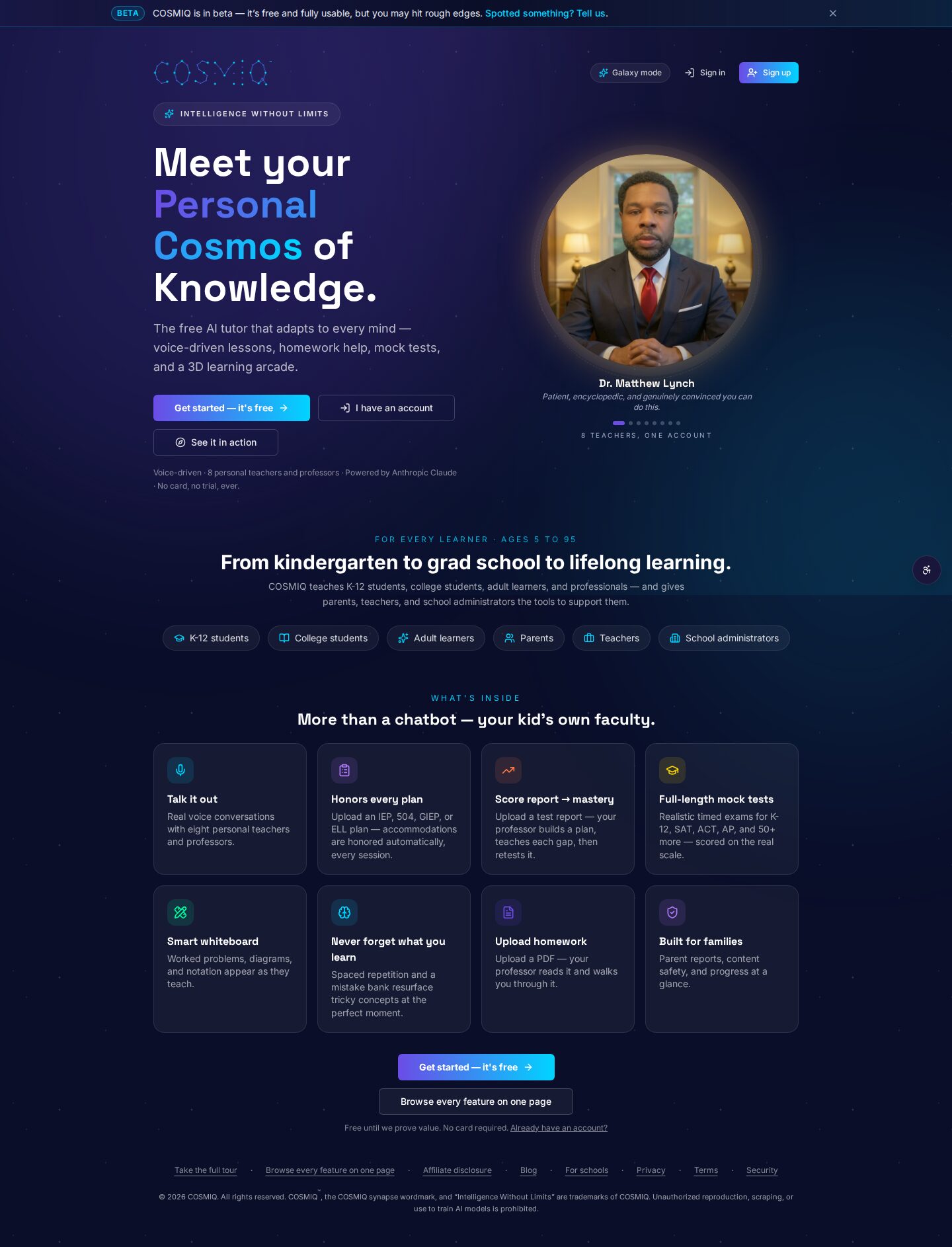
This insight is particularly resonant for educators. Creating truly personalized learning environments can be challenging, but it's a goal worth pursuing. Tools and platforms that adapt to individual learner needs can play a significant role here. For instance, free resources like COSMIQ — free voice AI tutoring, free forever for every K-12 student — can offer personalized support, allowing students to explore topics at their own pace and receive tailored feedback, complementing classroom instruction. This kind of supplementary support can help meet the demand for more individualized learning journeys, ensuring every student feels seen and supported. Similarly, the focus on mental health underscores the need for schools to integrate well-being programs and foster supportive communities.
Global Citizenship and Environmental Stewardship
Another compelling theme from the OECD's findings is the strong desire among young people for an education that fosters global citizenship and environmental responsibility. They expect to learn about global issues, diverse cultures, and sustainable practices. According to the OECD, young people want to be equipped with the knowledge and skills to contribute positively to their communities and the world at large, understanding their role in addressing global challenges like climate change and social inequality.
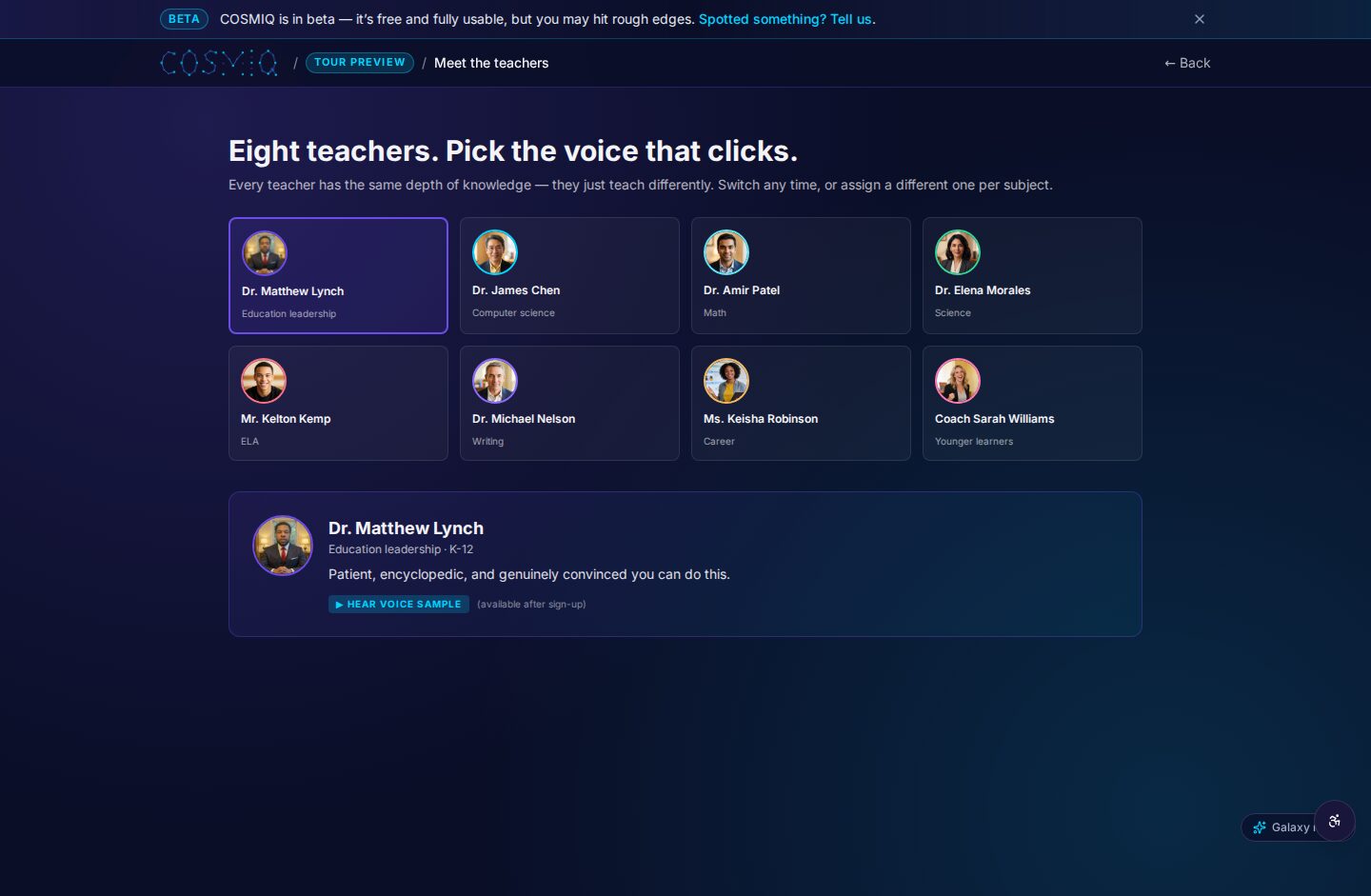
This aligns perfectly with the broader educational goal of creating engaged and responsible citizens. Teachers can integrate these themes across subjects, encouraging discussions and projects that explore global perspectives and environmental solutions. Parents can also reinforce these values at home, fostering empathy and encouraging civic engagement. The OECD's spotlight on this area serves as a powerful reminder that education has a vital role in cultivating a generation prepared to tackle the complex, interconnected challenges of our planet. Students looking to delve deeper into these subjects, or prepare for exams that touch upon them, can find valuable resources in the exam prep directory on platforms like COSMIQ.
Conclusion: A Collaborative Vision for 2040
The OECD's initiative in gathering and amplifying the voices of young people through its Youthwise board is a testament to its forward-thinking approach to education. By listening intently to what students want from education in 2040, the organization provides a vital framework for innovation and reform. These insights—pointing towards a demand for adaptable skills, personalized learning, holistic well-being, and global citizenship—are not just predictions; they are aspirations that call for collaborative action from parents, teachers, and policymakers. Embracing these expectations will not only prepare young people for the future but empower them to build a better one.
Learn anything, free.
COSMIQ is a free, voice-driven AI tutor for every learner. No credit card, ever.
Start learning free →