Understanding Your Child’s IEP: A Parent’s Guide for Elementary School

If you’re a parent navigating the complex world of special education, you've probably encountered the term IEP—or Individualized Education Program. But what does it really mean for your child? Understanding IEP parents can feel overwhelming, especially when you’re faced with educational jargon and acronyms. This guide aims to break down the essentials of your child’s IEP, helping you become an informed advocate for their education.
What is an IEP?
An IEP is a legally binding document that outlines the special education services and support your child will receive in school. It’s designed for students who have been identified as having a disability that affects their learning. The primary goal is to ensure that your child has access to the same educational opportunities as their peers.
Each IEP is tailored to the individual child’s needs. It includes specific goals, accommodations, modifications, and services that will help your child succeed. For instance, if your child struggles with reading, the IEP might outline extra time for tests or the use of audiobooks. Understanding IEP parents means grasping that this is a personalized roadmap for your child’s education. It's essential to view the IEP not as a burden but as a crucial tool in ensuring that your child can thrive academically.
The IEP Process: Step by Step
The IEP process can seem daunting, but breaking it down into manageable steps can make it easier to navigate. First, your child will be assessed to determine their specific needs. This assessment often includes evaluations from teachers, psychologists, and other specialists.
Once the assessments are complete, a team that includes you, teachers, and special education staff will meet to discuss the findings. It’s crucial to be an active participant in these meetings. Bring your questions, concerns, and insights about your child. The more you share, the better the team can understand your child’s unique needs.
After the meeting, the team will draft the IEP. You will have the opportunity to review it before it is finalized. Make sure you understand every part of it. Don’t hesitate to ask for clarification or modifications. Remember, this document is about your child’s education, and your voice matters. Ensure the goals set for your child are not only realistic but also challenging enough to foster growth.
It can also be helpful to familiarize yourself with the timeline involved in the IEP process. Typically, schools are required to conduct evaluations and hold meetings within a set timeframe, often around 60 days from the time a referral is made. Knowing these deadlines can empower you to advocate effectively.
In addition to timelines, understanding the roles of the various team members can enhance your ability to participate in the process. Each person at the table brings a different perspective and expertise. For instance, teachers can provide insights into classroom performance, while specialists can offer a deeper understanding of your child's specific needs. A collaborative effort is vital, so knowing who to speak to about what can streamline the process.
Understanding IEP Goals and Objectives
One of the most critical components of an IEP is the goals and objectives section. These goals are tailored to address your child's unique learning challenges. They should be specific, measurable, achievable, relevant, and time-bound (often referred to as SMART goals). For example, instead of a vague goal like 'improve reading skills,' a SMART goal would be 'increase reading level from grade 2 to grade 3 by the end of the school year.'
Understanding IEP parents means knowing how to track your child’s progress toward these goals. Regular communication with teachers is key. Check in on how your child is performing and whether any adjustments need to be made to the IEP. It’s a living document that should evolve as your child grows.
Consider keeping a progress journal to document your child's achievements and challenges. This will not only help you monitor their advancement but can also provide concrete examples during IEP meetings. By presenting specific instances of progress or areas of concern, you give the team a clearer picture of your child's needs.
You might also want to use tools like charts or apps to track milestones visually. Visual aids can make progress more tangible, both for you and your child. When your child sees their progress, it can motivate them and build their confidence. For example, if they’re working on math, creating a chart that shows their improvement from one test to the next can be incredibly rewarding.
Accommodations vs. Modifications
Two terms you’ll often hear in relation to IEPs are accommodations and modifications. While they may seem similar, they serve different purposes. Accommodations are adjustments that help your child access the curriculum without altering its content. For example, allowing extra time on tests or providing a quiet space for work are accommodations.
On the other hand, modifications involve changing the actual content or expectations. If a child is working on a simplified version of a math assignment, that’s a modification. Understanding the difference between these two is crucial because it helps you advocate for what your child really needs. Is your child struggling to keep up? They may need more modifications. If they just need extra support to access the same material, accommodations may suffice.
To illustrate, let’s say your child is learning multiplication tables. An accommodation might be allowing them to use a calculator during a test. A modification, however, could entail giving them a significantly reduced set of multiplication problems. Recognizing the appropriate support your child needs can make a significant difference in their learning journey.

Think about how you can assess the effectiveness of these supports. For instance, if you're noticing that your child still struggles with tests despite accommodations, it might be time to discuss whether additional modifications are necessary. Regular review of their performance in light of the supports provided is essential for informed decision-making.
The Importance of Regular IEP Meetings
Your child's IEP isn’t set in stone. It's essential to have regular meetings—typically annually—to review progress and make necessary adjustments. In these meetings, you should discuss what’s working and what isn’t. Perhaps your child has mastered a certain goal and needs new challenges. Or maybe they’re struggling and require additional support.
Regular meetings also give you a chance to involve your child in the process. As they grow, encouraging them to voice their thoughts about what they need can be empowering. This not only helps them take ownership of their learning but also gives you insights into their perspective.
It’s beneficial to prepare an agenda before these meetings to keep discussions focused. Include topics you want to cover, such as specific goals, accommodations that may not be working, or new strategies you’ve tried at home. This proactive approach can help ensure that your concerns are addressed and that any necessary changes are made.
Every meeting is an opportunity to reassess and realign your child’s educational path. Think about bringing data that illustrates your child's progress or setbacks. Examples from at-home activities can often shed light on their struggles or successes in a different context. For instance, if your child excels in math when using visual aids at home, presenting that information during meetings could support a case for similar strategies in school.
Collaboration with Educators and Specialists
Building a team around your child is crucial. This means collaborating with teachers, special education staff, and other professionals involved in your child’s education. Open lines of communication are vital. Don’t hesitate to reach out to teachers with questions or concerns. They can provide valuable insights into your child’s daily challenges and successes.
Consider also involving specialists like speech therapists or occupational therapists, if applicable. They can give you additional strategies to support your child at home. Understanding IEP parents means building a support system that extends beyond the classroom.
To strengthen this collaboration, think about scheduling regular check-ins with your child’s teachers. This doesn’t have to be formal; it could be a quick email or a chat during drop-off. Building relationships with educators can help create a more cohesive support network for your child.
Another aspect of collaboration is understanding the resources your school offers. Many schools have additional support staff, such as counselors or behavioral specialists, who can play a role in your child’s education. Asking about these resources can fill in gaps that you may not have considered.
Empowering Yourself as an Advocate
As a parent, you are your child’s best advocate. This means arming yourself with knowledge about special education laws, your rights, and your child’s rights. Familiarize yourself with laws like the Individuals with Disabilities Education Act (IDEA), which governs special education.
Attend workshops or seminars focusing on special education, and consider joining parent advocacy groups. Connecting with other parents can provide valuable resources and emotional support. You’re not alone in this journey. Understanding IEP parents is about embracing your role as an advocate, making sure your child receives the best possible education.
It's also helpful to develop a toolbox of strategies to address challenges as they arise. For instance, if you encounter resistance from school staff about recommended accommodations, come prepared with research or case studies that demonstrate the effectiveness of these supports. Having data on hand can strengthen your advocacy.
Remember, advocacy isn’t just about knowing the rules; it's also about building relationships. Positive interactions with educators can lead to better outcomes for your child. Take the time to express appreciation when things go well. A simple thank you can go a long way in fostering goodwill.
Resources and Support
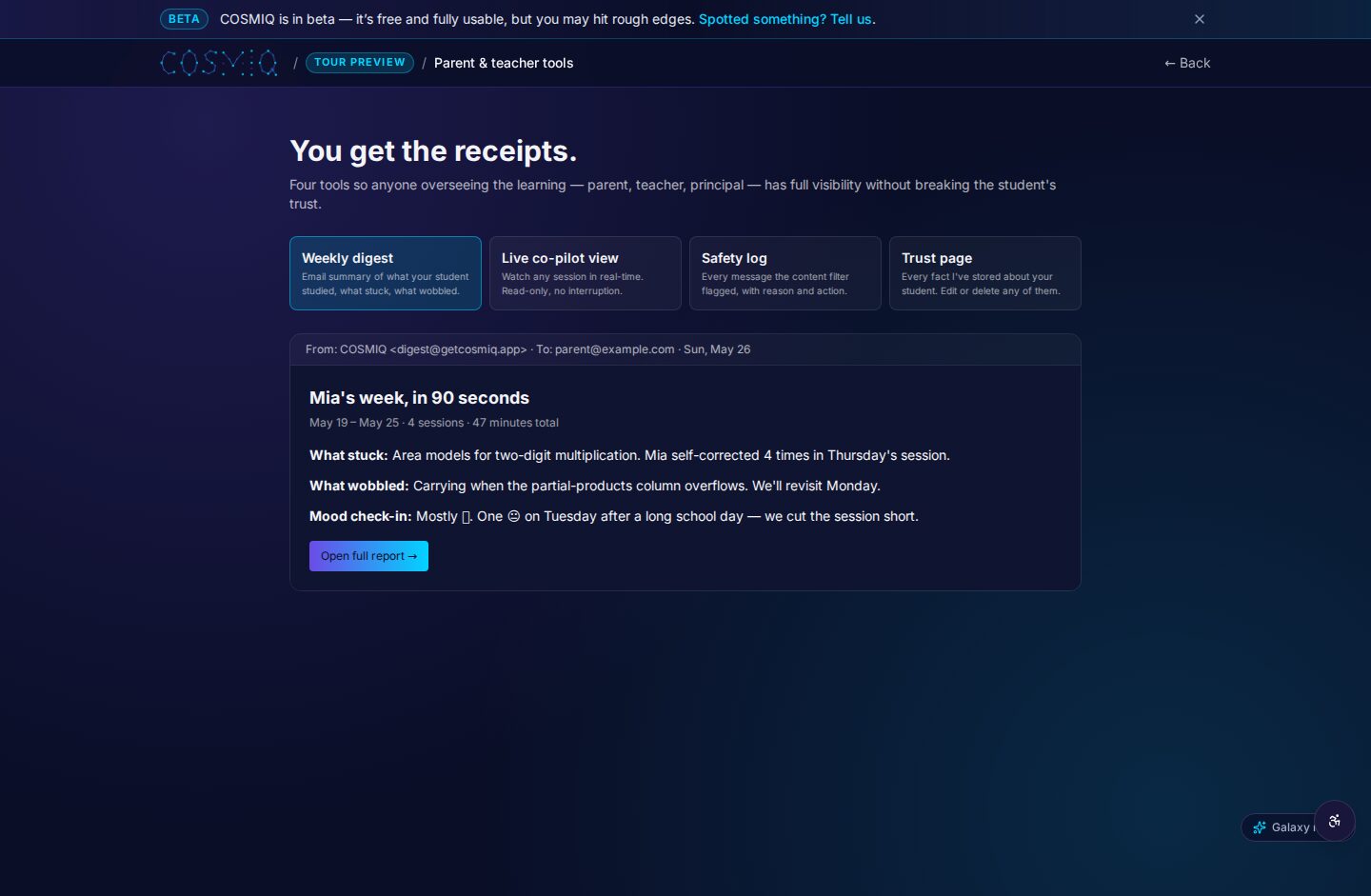
There are numerous resources available to assist you on this journey. Websites like [The Ed Advocate](https://www.theedadvocate.org/) offer valuable insights into educational advocacy. Apps like [Cosmiq](https://getcosmiq.app/) can help you stay organized and track your child's progress.
Additionally, consider visiting local organizations that focus on special education. They often provide workshops, resources, and networking opportunities for parents. The more informed you are, the better equipped you'll be to support your child.
Another valuable resource is social media. Online communities can connect you with other parents who are navigating similar challenges. Sharing experiences and strategies can be incredibly beneficial in finding new ways to support your child. Don’t underestimate the power of community.
In your search for resources, don’t forget to look into state and national organizations that advocate for children with disabilities. Groups such as the National Parent Technical Assistance Center can provide a wealth of information on navigating the IEP process.
Understanding Your Child's Rights in Education
As a parent, it's essential to understand your child's rights within the educational system. Under IDEA, children with disabilities have the right to a free and appropriate public education (FAPE). This means that schools must provide the necessary services and supports outlined in the IEP.
Additionally, parents have the right to be involved in every step of the IEP process. This includes being present during meetings, making input on the IEP, and having access to educational records. If you ever feel that your child is not receiving appropriate services, you have the right to request a meeting or even a due process hearing.
It's worth noting that many states also have additional laws that protect students’ rights, so familiarize yourself with local regulations as well. Understanding these rights can help you advocate more effectively for your child.
Your child's rights extend beyond just educational services. They also include protections against discrimination. Schools are required to provide reasonable accommodations not just in academics but in extracurricular activities as well. If your child is interested in participating in sports or clubs, ensure that they have the necessary support to join in.
Preparing for the Transition to Middle School
As your child approaches the end of elementary school, it's vital to start preparing for the transition to middle school. This could mean a significant change in the type and level of support they receive. Middle schools often require students to navigate a more complex schedule with multiple teachers and classrooms, making it essential to reassess your child’s IEP.
Organize a meeting with both elementary and middle school staff to discuss your child’s needs. Transition meetings can be an excellent opportunity to ensure that there’s continuity in the support your child receives. Make sure to highlight any accommodations or modifications that have worked well in the past.
Consider involving your child in the transition process. Discuss their feelings about moving to middle school and what they might be anxious about. Preparing them mentally can be just as important as the logistical planning. Tools like social stories or visual schedules can help them adapt to the new environment.
Additionally, familiarize yourself with the middle school’s offering of resources. They may have different specialists or programs that can be beneficial. Knowing what’s available and how to access it can make the transition smoother for everyone involved.
Final Thoughts
Navigating the world of IEPs can feel like a daunting task, but remember, you're not alone. By understanding IEP parents, being proactive, and maintaining open communication with educators, you can become an effective advocate for your child. The journey may have its ups and downs, but securing the right educational support is worth every effort. Always remember, you are your child’s first teacher and advocate.
Related resources: pedagogue.app
Learn anything, free.
COSMIQ is a free, voice-driven AI tutor for every learner. No credit card, ever.
Start learning free →