Using Bloom’s Taxonomy and Scaffolding Together in High School Classes

Understanding Bloom’s Taxonomy
Bloom’s Taxonomy is a framework that outlines different levels of cognitive skills. Developed by Benjamin Bloom in the 1950s, this model helps educators structure their teaching and assessment strategies. The taxonomy is often divided into six levels: Remembering, Understanding, Applying, Analyzing, Evaluating, and Creating. Each level builds on the previous one, guiding students from basic recall of facts to higher-order thinking skills.
Think about it. When you teach a lesson, do you want your students to just memorize a set of facts? Or do you hope they can apply their knowledge to solve new problems? This model provides a pathway for you to cultivate deeper understanding and critical thinking in your students. For instance, if you're teaching a science concept like photosynthesis, a simple recall question might be, "What is the equation for photosynthesis?" But as students progress through the levels, you might ask them to analyze the importance of photosynthesis in ecosystems, or even create a project that illustrates its impact on climate change.
What is Scaffolding?
Scaffolding is an instructional approach that aims to support students as they learn new concepts. The idea is simple: provide temporary assistance that allows students to accomplish tasks they can't yet complete independently. This support can come in various forms—guidance from the teacher, structured materials, or collaborative learning opportunities.
Imagine you're teaching a complex topic, like the scientific method. You might start with a hands-on experiment to engage students. After that, you can provide a framework for discussing their findings. As their understanding grows, you gradually reduce your support, encouraging them to explore independently. Scaffolding ensures that no student gets left behind while they navigate the learning curve. For example, you could introduce a new math concept through direct instruction, followed by guided practice where you work through problems together. Over time, you can transition to independent practice, allowing students to tackle more challenging problems on their own.
The Synergy of Bloom’s Taxonomy and Scaffolding
Bloom’s Taxonomy and scaffolding are not just complementary; they actually enhance each other. When you use Bloom’s levels to guide your scaffolding, you can create a more targeted and effective learning environment. For example, if you're teaching a literary analysis unit, you might start with activities that focus on remembering and understanding key elements of a text.
Once students are familiar with the material, you can scaffold lessons that lead them to analyze and evaluate the text. Imagine starting with a simple reading comprehension quiz (Remembering), then moving to group discussions where students share their interpretations (Understanding), and finally pushing them to write essays that critique the author’s choices (Evaluating). By aligning your scaffolding efforts with the taxonomy, you ensure that each student is moving toward higher-order thinking. This targeted approach keeps everyone engaged and progressing.
Implementing Bloom’s Taxonomy Scaffolding in High School Classes
To effectively implement Bloom’s Taxonomy scaffolding, start by identifying the learning objectives for your unit. What should students be able to do by the end of your instruction? Break these objectives down according to the levels of Bloom’s Taxonomy. For instance, in a history class, you might aim for students to remember key dates (Remembering), understand the significance of those dates (Understanding), and analyze the causes of historical events (Analyzing).
Next, design your lessons with scaffolding in mind. Begin with foundational knowledge, using direct instruction or guided practice. Gradually introduce more complex tasks. For example, after students have learned about World War II, you could have them watch a documentary and take notes (Remembering), then engage in a group discussion about the implications of the war (Understanding), and ultimately have them write an analytical essay (Analyzing). By scaffolding these tasks, you're creating a structured pathway that leads students to achieve higher-order thinking. Additionally, using visual aids or graphic organizers can help students conceptualize complex ideas, giving them a solid base to build upon.
Assessing Student Progress with Bloom’s Taxonomy Scaffolding
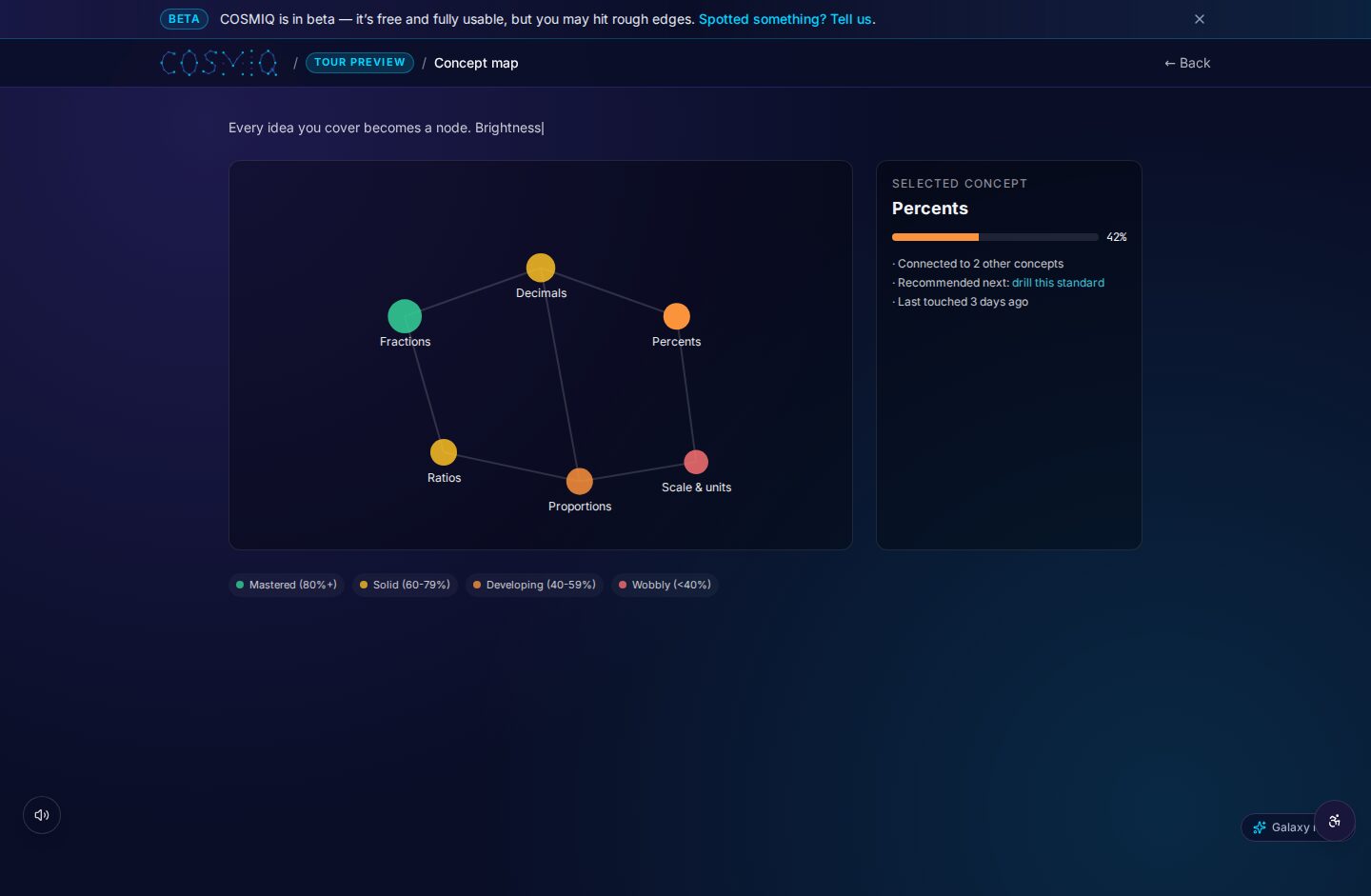
Assessment is a crucial component when using Bloom’s Taxonomy scaffolding. It’s not just about grading; it’s about understanding where your students are in their learning journey. Create assessments that reflect the different levels of the taxonomy. For instance, you could use quizzes for basic recall, essays for evaluating, and creative projects for the creating stage.
As you assess, pay attention to where students struggle. If many students struggle with analyzing a text, it might indicate a need for more scaffolding in that area. You can adjust your instruction based on these insights, revisiting prior levels of Bloom’s Taxonomy to reinforce understanding before moving on. For example, if students are having difficulty with evaluating arguments in a debate, you might introduce them to evaluation criteria and provide examples to illustrate how to apply those criteria. Peer assessments can also be a fantastic way for students to engage critically by evaluating each other's work against those standards.
Creating a Supportive Learning Environment
A supportive learning environment is key to successfully implementing Bloom’s Taxonomy and scaffolding. Encourage collaboration among students. When they work together, they can share ideas, ask questions, and clarify misunderstandings. Group work allows you to facilitate discussions and provide scaffolding in real-time. This environment fosters a sense of community and belonging, which is crucial for student motivation.
Creating a culture where students feel comfortable asking for help is crucial. Let students know that it's okay to struggle. This mindset encourages them to seek assistance, whether from you or their peers, rather than feeling frustrated and giving up. Use strategies like pair-shares or think-pair-share activities to allow students to discuss problems with one another, thereby reinforcing their understanding as they articulate their thoughts. You might also consider establishing a 'no shaming' policy, where mistakes are treated as valuable learning opportunities, fostering a growth mindset.
Examples of Bloom’s Taxonomy Scaffolding in Action
Let’s look at a few concrete examples of how you can apply Bloom’s Taxonomy scaffolding in your high school classes. In a biology class, suppose you’re covering cell division. Start by having students memorize the stages of mitosis (Remembering). Next, move to discussions about the significance of cell division in living organisms (Understanding), followed by lab work where they observe actual cell division under a microscope (Applying). Finally, challenge them to create a presentation comparing mitosis and meiosis (Creating). Each step is designed to build on the last, ensuring that students have a comprehensive grasp of the topic.
In a language arts class, you might begin a unit on Shakespeare with direct instruction about the historical context and themes of his works (Understanding). Then, have students perform a scene to explore character motivations (Applying). Next, engage them in a debate about a character’s choices (Analyzing), and ultimately, have them write a critical essay evaluating the play’s relevance today (Evaluating). Each step builds on the previous one, guiding students toward deeper comprehension. You could also introduce creative projects, like a modern adaptation of a scene, which would challenge students to synthesize their learning in a unique way.
Integrating Technology into Bloom’s Taxonomy and Scaffolding
In today's classrooms, technology can play a pivotal role in enhancing Bloom's Taxonomy scaffolding. Digital tools can facilitate engagement and help students reach higher-order thinking skills. For instance, using educational software that allows students to create multimedia presentations can support the 'Creating' level of Bloom’s Taxonomy. Tools like Prezi or Google Slides enable students not only to organize their thoughts but also to present them in innovative ways.
Additionally, online discussion boards can provide students with a platform to analyze and evaluate their peers' ideas. When students post responses to prompts and reply to one another, they are practicing the skills of 'Analyzing' and 'Evaluating' in a collaborative space. As a teacher, you can scaffold this process by modeling effective responses and providing students with a rubric that outlines expectations for quality discussions. This not only reinforces the content but also helps students develop digital literacy alongside critical thinking.
Adjusting Instruction Based on Feedback
Using Bloom’s Taxonomy and scaffolding isn’t a one-and-done approach; it requires ongoing adjustment based on student feedback and assessments. As you implement these strategies, stay attuned to your students’ needs. If you notice a common area of confusion, don't hesitate to revisit those foundational concepts to reinforce understanding.
For example, if your students are struggling with the 'Evaluating' stage when critiquing historical events, consider revisiting the 'Understanding' phase. Perhaps you could provide more context or examples to clarify the significance of those events. You might even create a feedback loop where students can express their confidence levels regarding each level of Bloom’s Taxonomy. This practice not only encourages self-assessment but also informs your instructional decisions.
The Role of Differentiation in Bloom’s Taxonomy Scaffolding
Differentiation is another vital element when applying Bloom’s Taxonomy scaffolding in your classroom. Each student has unique learning needs and styles. Tailoring your instruction to meet these needs can significantly enhance their learning experience. For example, consider using tiered activities that target different levels of Bloom's Taxonomy. You might offer basic recall tasks for students who need more support while providing advanced analytical tasks to those ready for a challenge.
Let’s say you’re teaching a unit on ecosystems. You might ask one group of students to list the different types of ecosystems (Remembering), while another group could compare and contrast two specific ecosystems (Analyzing). This approach not only helps meet diverse learning needs but also encourages all students to engage with the content at a level suitable for them. It encourages personal growth, as students can see their own progress when they tackle challenges appropriate to their skill level.
Building Metacognitive Skills Through Bloom’s Taxonomy Scaffolding
Metacognition, or thinking about one’s own thinking, is a powerful tool in education. When students learn to reflect on their learning processes, they become more independent and effective learners. Integrating metacognitive strategies with Bloom’s Taxonomy scaffolding can lead to significant improvements in student outcomes. One way to do this is by having students set personal goals related to each level of Bloom's Taxonomy.
For instance, before starting a new unit, ask your students to write down what they hope to achieve at each level of the taxonomy. They might set goals like memorizing key terms (Remembering), summarizing a chapter (Understanding), or arguing a point of view (Analyzing). After completing the unit, have them revisit these goals and reflect on their progress. This self-assessment not only helps them identify areas for improvement but also encourages ownership of their learning journey. Incorporating reflective journals can also be beneficial, allowing students to articulate what strategies worked for them and which levels they found challenging.
Final Thoughts on Bloom’s Taxonomy and Scaffolding
Using Bloom’s Taxonomy and scaffolding together can transform your teaching approach. It encourages students to engage deeply with material, making their learning experience both meaningful and memorable. By structuring your lessons around these frameworks, you not only support diverse learning needs but also foster critical thinking.
So, the next time you plan a lesson, consider how you can integrate these two powerful tools. Start small, and you’ll likely see your students thrive, gaining not just knowledge, but the skills to think critically and creatively—skills they’ll carry with them far beyond the classroom. Remember, education is not just about passing tests; it’s about preparing students for the complexities of the world they will face.
Related resources: the educational landscape · supporting students as they learn new concepts · pedagogy resources · assessment tools that reflect different levels
Learn anything, free.
COSMIQ is a free, voice-driven AI tutor for every learner. No credit card, ever.
Start learning free →