Protecting Our Lifelines: Why OT Security is Quadrupling by 2035

The systems that power our homes, transport our goods, and manage our utilities are increasingly facing sophisticated cyber threats. This growing vulnerability of operational technology (OT) systems is driving a significant expansion in the OT security market, with new research from SNS Insider projecting a quadruple increase in market value by 2035.
According to SNS Insider, the global OT security market is expected to surge from $44.34 billion in 2025 to $178.93 billion by 2035, representing an impressive annual growth rate of nearly 15%. This substantial growth underscores a critical shift in how we approach the protection of our most vital societal functions.
Why the Surge in OT Security?
The primary drivers behind this remarkable market expansion are multifaceted, reflecting a complex and evolving threat landscape. SNS Insider points to several key factors:
- Increasing Cyberattacks on Critical Infrastructure: Adversaries are increasingly targeting industrial control systems (ICS) and critical infrastructure, recognizing the potential for widespread disruption.
- Rapid Adoption of Industrial IoT and Smart Manufacturing: The integration of Internet of Things (IoT) devices and advanced manufacturing technologies is creating more interconnected, and thus more vulnerable, environments.
- Convergence of IT and OT: The blurring lines between information technology (IT) and operational technology (OT) networks expose legacy industrial systems to new cyber risks that traditional IT security measures may not address.
Sectors like power, transportation, manufacturing, energy, and utilities are consequently increasing their investments in technologies designed to protect these mission-critical operational systems. North America, according to SNS Insider, represented approximately 42% of the global OT security market in 2025, indicating a strong regional focus on these issues.
Expert Perspectives on the Evolving Threat
Industry experts consulted by the announcer offer valuable insights into the real-world implications of these trends. Denis Calderone, CTO of Suzu Labs, notes that the projected growth aligns with recent experiences: "The last several months have been a steady stream of attacks on operational technology, from Iran-linked activity against water and fuel-monitoring systems to the wave of PLC compromises that had water utilities scrambling this summer." Calderone highlights that when federal agencies like CISA and the FBI issue warnings about serious operational consequences, increased security budgets become "an inevitable fact."
Calderone also suggests a concerning link between the speed of these attacks and the increased use of offensive AI. He explains that AI-generated scripts are enabling attackers to build ICS capabilities with significantly less expertise and time, effectively lowering the barrier to entry for those seeking to threaten OT environments. This observation brings to light the urgent need for robust defense mechanisms in the face of rapidly advancing adversarial tactics.
Damon Small, Board of Directors at Xcape Inc., emphasizes the inherent risks of IT/OT convergence. "Rapidly converging IT and operational technology (OT) environments expose legacy industrial control systems to direct cyber risks, threatening revenue, physical safety, and operational continuity." Small points out a critical challenge: a shortage of specialized OT security talent. He argues that relying solely on hiring more personnel isn't feasible, driving the adoption of AI-assisted tooling for anomaly detection and the necessity of strict network segmentation between IT and OT domains.
Doc McConnell, Head of Policy and Compliance at Finite State, echoes the sentiment that OT security is no longer a niche. He attributes the rapid expansion to two main drivers: the increasing targeting of operational technology by adversaries, leading to "real operational consequences, including pressure loss and flooding," and a growing trend toward OT protection in U.S. policy, exemplified by recent executive orders and proposed legislation.
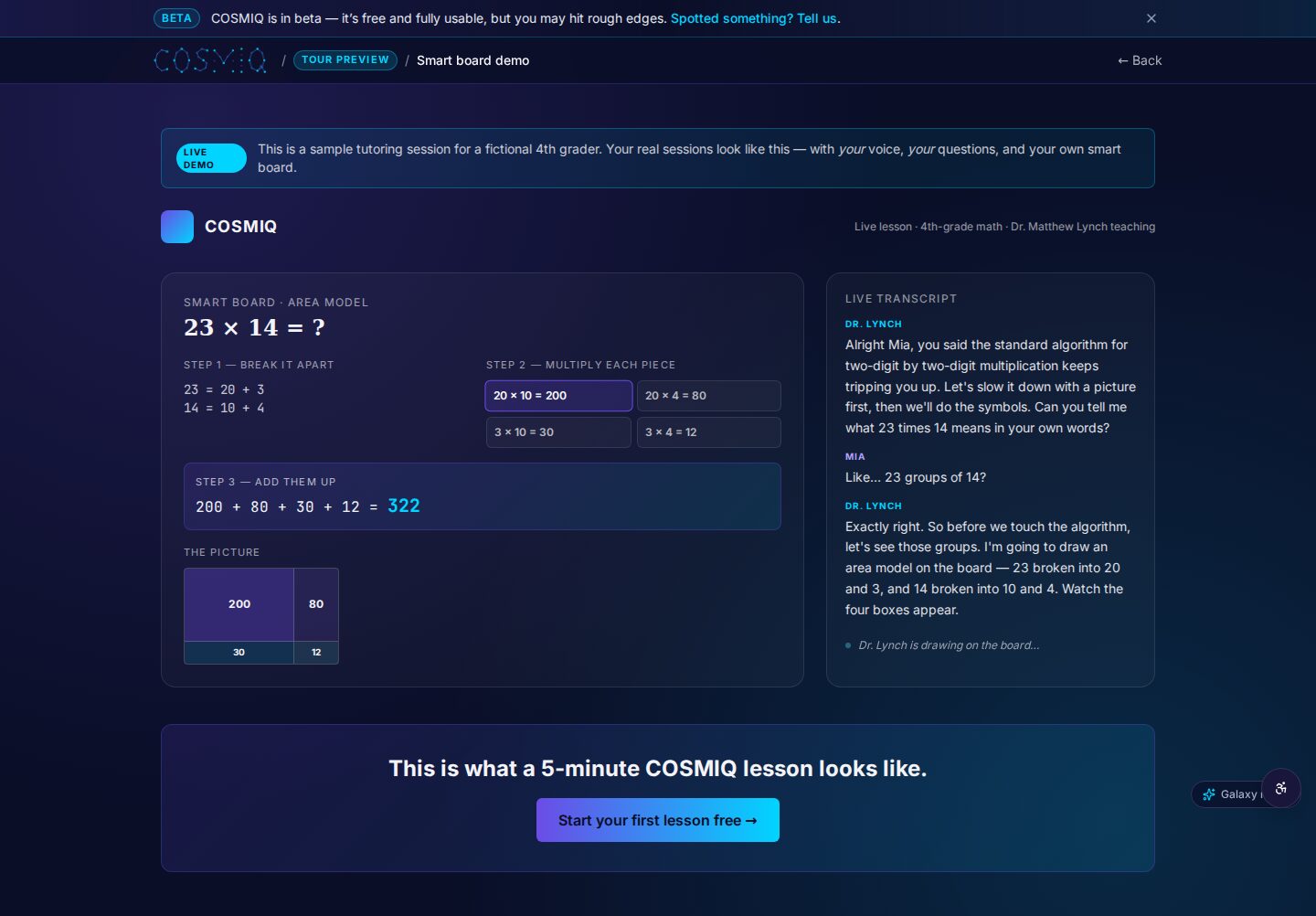
For students and learners interested in this rapidly growing field, understanding the convergence of IT and OT, the principles of cybersecurity, and the specific challenges of industrial control systems will be increasingly valuable. Platforms like COSMIQ can provide free voice-driven AI tutoring across various STEM subjects, helping K-12 students build foundational knowledge that could lead to careers in critical fields like cybersecurity and OT protection.
The Need for Specialized Expertise and Services
SNS Insider's research also indicates that security solutions, including threat detection, monitoring, vulnerability management, and incident response, represented nearly 72% of the market in 2025. Furthermore, managed and professional security services are expected to be the fastest-growing segment. This highlights organizations' increasing need for external expertise to navigate the complexities of securing industrial environments.
McConnell reinforces this, stating, "Buying new security tooling is straightforward. Finding people who understand how a control system actually behaves, and who can build security into equipment without risking downtime or disruption is harder." He stresses that in these environments, where "interruption in service is a life-safety issue," specialized expertise is invaluable.
The insights from SNS Insider and the contributing experts paint a clear picture: the OT security market is not just growing; it's transforming to meet unprecedented threats. This transformation requires a combination of advanced technology, strategic policy, and, crucially, a highly skilled workforce.
As threats continue to evolve, particularly with the advent of AI in offensive cyber operations, continuous learning and adaptation will be paramount. Resources like COSMIQ's exam prep directory can support students aiming for higher education or professional certifications that will be essential for contributing to this vital and expanding sector.
Looking Ahead: A Resilient Future
The projected quadrupling of the OT security market by 2035 is a testament to the urgency and seriousness of protecting our critical infrastructure. It represents a collective commitment to investing in the technologies, services, and human talent necessary to ensure the continuous and safe operation of the systems that underpin modern society. This growth, while driven by challenges, ultimately points towards a more resilient and secure future for essential services worldwide.
Learn anything, free.
COSMIQ is a free, voice-driven AI tutor for every learner. No credit card, ever.
Start learning free →