Gates Foundation's $400M AI Education Investment: What It Means for Learning

The landscape of education is continually evolving, and a recent announcement from the Gates Foundation highlights a powerful new direction: a substantial $400 million investment aimed at integrating artificial intelligence (AI) into learning environments. This commitment underscores a belief in AI's potential to transform how students learn, how teachers teach, and ultimately, to help close long-standing achievement gaps.
For parents, teachers, and students, this news isn't just about a large sum of money; it's about the promise of new tools and approaches that could make education more personalized, engaging, and effective. It invites us to consider what a future classroom, empowered by AI, might look like, and how these innovations can genuinely benefit every learner.
Understanding the Gates Foundation's Vision for AI in Education
According to the Gates Foundation, their $400 million commitment is rooted in the belief that AI tools, such as AI tutors, can significantly improve learning outcomes. The foundation's focus is on harnessing these technologies to create more equitable educational opportunities, particularly for underserved students. This involves not only developing new AI applications but also ensuring they are implemented thoughtfully and effectively within school systems.
The foundation's strategy appears to be multi-faceted, encompassing research, development, and pilot programs designed to test the efficacy of AI tools in real-world educational settings. The goal is to identify and scale solutions that demonstrate a clear positive impact on student engagement, comprehension, and overall academic success.
The emphasis on closing achievement gaps is particularly noteworthy. The foundation recognizes that not all students have equal access to resources or personalized attention. AI, they suggest, could provide supplementary support, tailored learning paths, and immediate feedback that might otherwise be unavailable, thereby leveling the playing field for many.
The Bigger Picture: Defining Success for AI in Classrooms
While the investment is significant, it also sparks important discussions about the responsible integration of AI into education. Dr. Frederic Bertley, President and CEO of the Center for Science and Industry (COSI) and a member of the White House Task Force on AI Education, emphasizes a critical question: What should the ultimate goal of AI in education actually be? This isn't just about deploying technology; it's about defining what true success looks like for learners.
According to Dr. Bertley, a shared definition of success is crucial before billions are invested in widespread adoption. This involves educators, policymakers, and AI companies collaboratively determining what evidence should be required to justify expanding AI programs across school systems. Simply put, promising early pilots, while encouraging, may not be enough to warrant large-scale implementation without rigorous evaluation and clear metrics for impact.
For students, this means ensuring that AI tools are not merely novelties but genuinely helpful aids that enhance their learning journey. For teachers, it implies that AI should augment their capabilities, freeing them to focus on higher-level instruction and individualized student support, rather than replacing human interaction. For parents, it means understanding how these tools will contribute to their children's growth and development, ensuring they are safe, effective, and aligned with educational goals.
What AI in Education Could Mean for Students, Teachers, and Parents
The potential benefits of AI in education are vast. Imagine an AI tutor that can adapt to a student's unique learning pace and style, providing extra practice on challenging concepts or accelerating through material already mastered. This personalized approach could significantly reduce frustration and boost confidence, making learning more accessible and enjoyable.
For teachers, AI tools could automate administrative tasks, provide data-driven insights into student performance, and even suggest differentiated instructional strategies. This could free up valuable time, allowing educators to focus more on creative lesson planning, one-on-one mentorship, and addressing the social-emotional needs of their students.
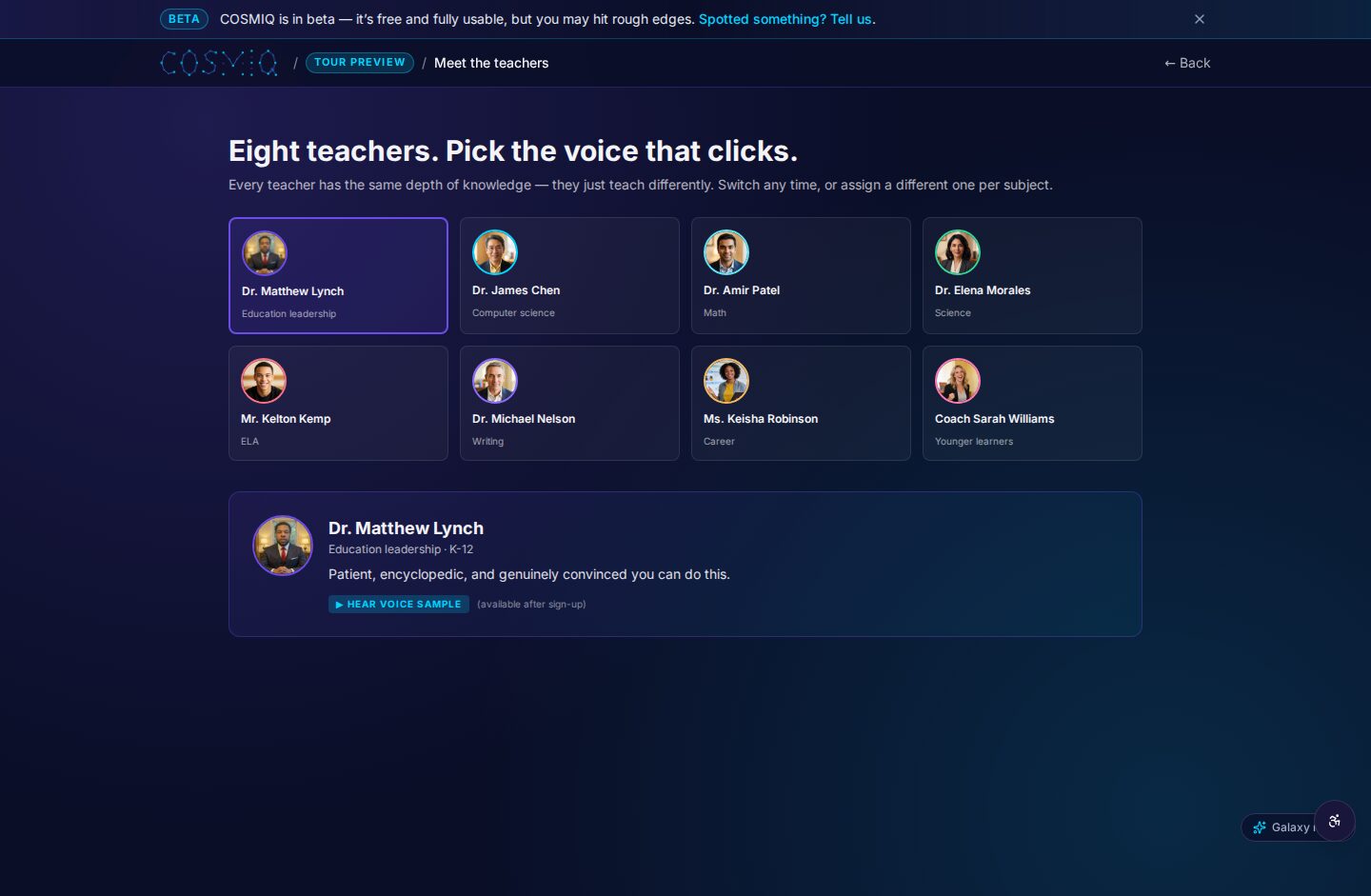
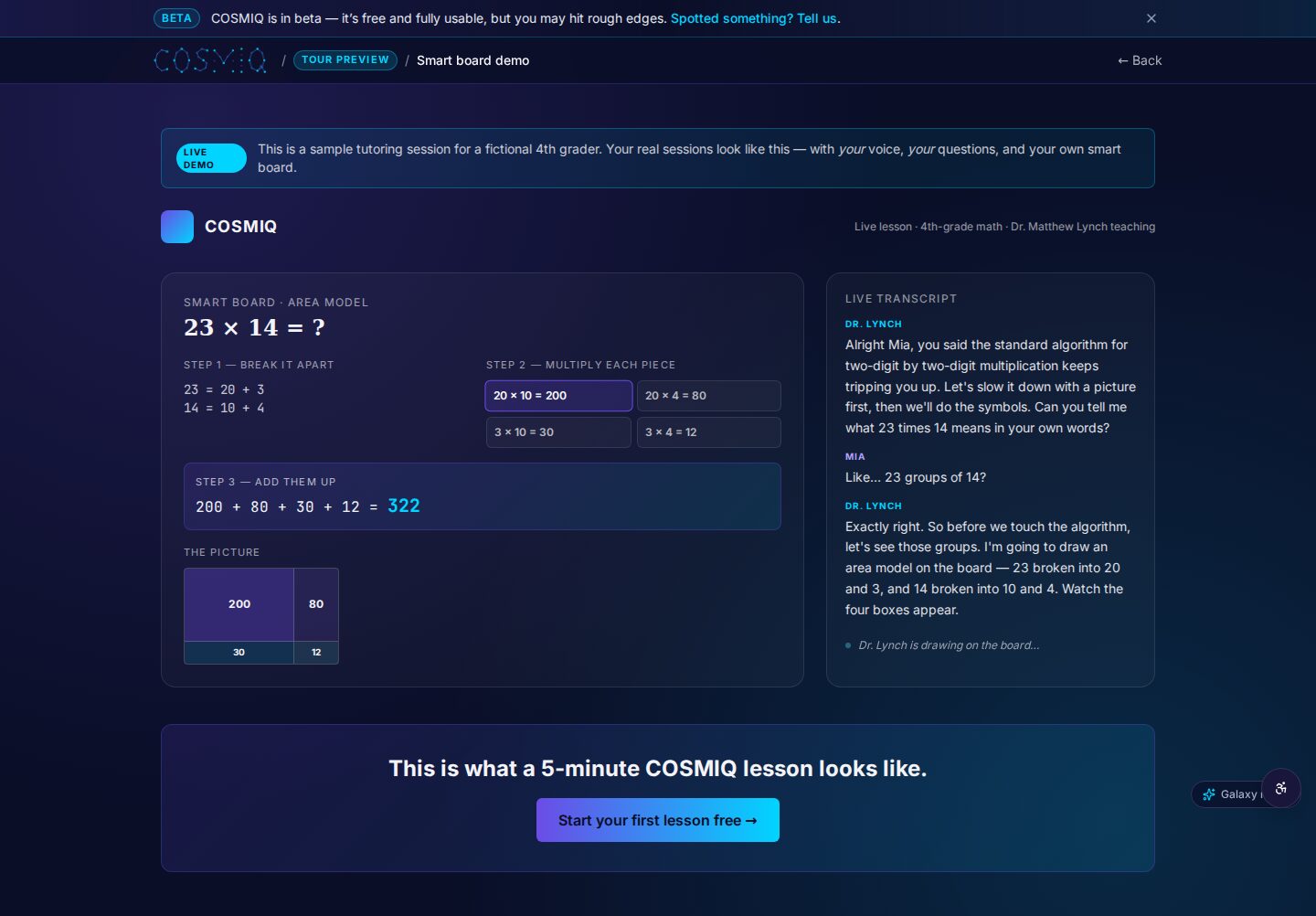
Parents might see their children more engaged with schoolwork, with AI offering supplementary resources for homework help or exam preparation. Platforms like COSMIQ, a free voice-driven AI tutor, are already demonstrating how AI can provide accessible, personalized learning support for K-12 students, available free forever. This kind of technology can be a valuable complement to classroom learning, offering instant, conversational help whenever and wherever a student needs it.
However, it's equally important to consider the challenges. Ensuring equitable access to AI tools, addressing potential biases in algorithms, and safeguarding student data are all critical considerations. The Gates Foundation's investment, by its very nature, encourages a deeper dive into these complex issues, pushing for thoughtful implementation rather than rushed adoption.
Moving Forward with Purpose and Evidence
The Gates Foundation's $400 million investment is a powerful signal of confidence in AI's potential to revolutionize education. It's a call to action for educators, technologists, and policymakers to collaborate on building a future where AI genuinely serves the needs of all learners. As Dr. Bertley suggests, the focus must remain on defining clear goals and requiring robust evidence of impact before scaling these tools widely.
For those interested in exploring how AI is already supporting learning, resources like COSMIQ's free practice hub offer a glimpse into the kind of personalized, accessible assistance that AI can provide across various subjects and grades. The journey to fully integrate AI into education will undoubtedly be complex, but with significant investments and a commitment to evidence-based practices, the potential for positive transformation is immense.
Learn anything, free.
COSMIQ is a free, voice-driven AI tutor for every learner. No credit card, ever.
Start learning free →