Navigating AI in the Classroom: Instructure's Canvas Offers a Path Forward

The conversation around artificial intelligence (AI) in education is evolving rapidly. As schools and districts grapple with how to best approach these powerful new tools, some have opted for outright bans or moratoriums on student AI use. However, a different perspective is emerging, one that champions responsible integration and AI literacy as crucial skills for the future. Instructure, the company behind the widely used learning management system Canvas, is at the forefront of this nuanced discussion, offering thoughtful guidance for educators.
According to Melissa Loble, Chief Academic Officer for Instructure, the goal isn't to replace learning with AI, but to prepare learners for a future where AI is an integral part of how work gets done. This perspective reframes the challenge from one of restriction to one of empowerment, focusing on equipping students with the understanding and skills to navigate an AI-powered world.
AI Literacy: A New Foundational Skill
Instructure highlights that AI literacy is quickly becoming as important as digital literacy. In a world where AI tools are increasingly embedded in everyday work, students will need more than just the ability to use these tools; they'll need to understand their strengths, limitations, potential biases, and appropriate applications. This comprehensive understanding is what Loble and Instructure advocate for.
The emphasis here is on critical thinking and human judgment. Students should learn how to work with AI responsibly, critically evaluate AI-generated outputs, and apply their own discernment when making decisions. This approach moves beyond simply consuming information to actively engaging with and questioning it, a skill that remains paramount in any field.
Guiding Responsible AI Use in the Classroom
So, how can educators effectively integrate AI without compromising the integrity of learning? Instructure suggests that the most valuable thing teachers can do is help students understand how and when to use AI. This involves establishing clear, assignment-specific guidelines.
For example, a teacher might permit students to use AI for brainstorming ideas, creating an outline, or proofreading for grammar and spelling. However, they might restrict its use for generating complete first drafts or fabricating historical facts and citations. According to Instructure, these specific guidelines achieve two crucial objectives:
- They ensure students are learning what the assignment is intended to teach.
- They help students develop the vital skill of using AI responsibly.
This dual approach fosters both foundational knowledge and AI fluency, preparing students for a workforce where both are essential. Imagine a history teacher allowing AI to proofread a paper, but strictly prohibiting it from generating the historical facts or citations. This allows students to focus on historical analysis and research, while leveraging AI for refinement.
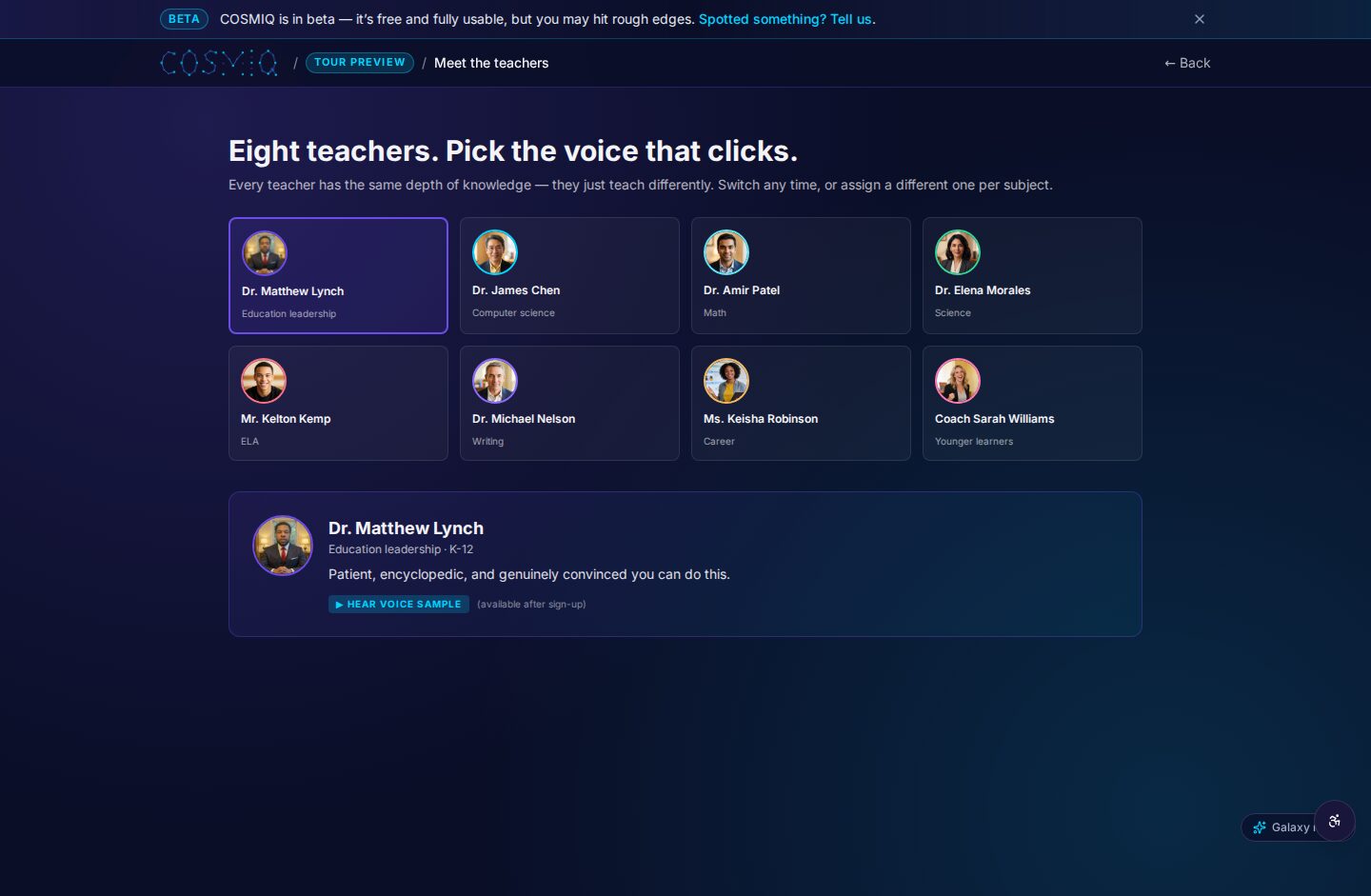
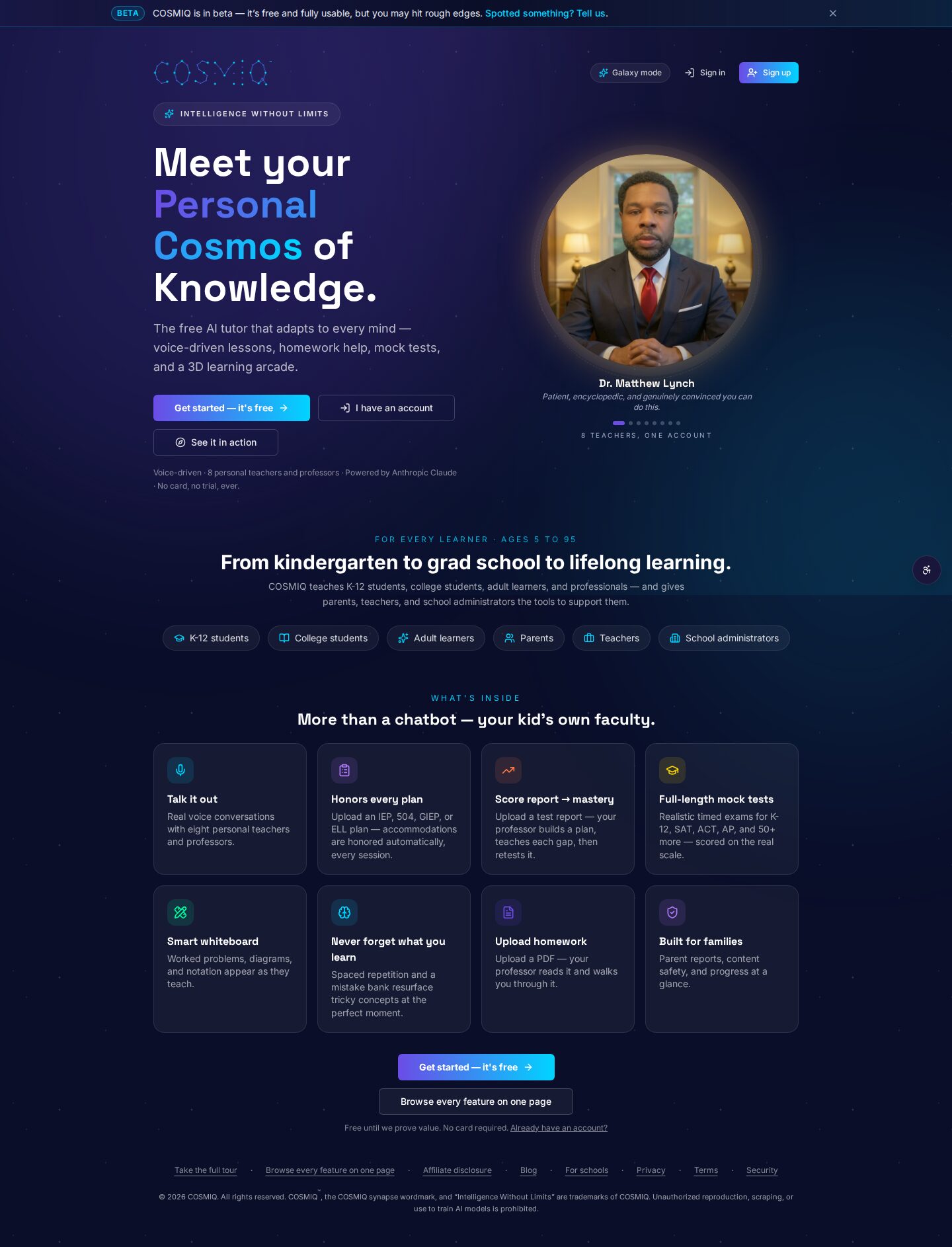
For students seeking additional support in navigating complex assignments, platforms like COSMIQ offer a free voice-driven AI tutoring experience, available free forever for every K-12 student. It can be a helpful tool for understanding concepts and practicing skills, complementing classroom instruction without replacing the core learning process.
AI as a Partner, Not a Replacement
Instructure's perspective clearly positions AI as a supportive tool for both educators and learners. AI should help educators navigate the transition into this new technological landscape, supporting authentic learning experiences while preparing students for a future where human expertise and AI work collaboratively. It's about enhancing, not supplanting, the human element in education.
The insights from Instructure underscore a proactive and positive vision for AI in education. Instead of reacting with bans, they advocate for thoughtful integration, emphasizing the development of critical AI literacy skills that will serve students well beyond the classroom. This approach recognizes the inevitability of AI in the modern world and seeks to empower the next generation to master it responsibly.
As educators, parents, and students continue to explore the possibilities and challenges of AI, resources that offer practical guidance and support are invaluable. Platforms like COSMIQ, which provides a free practice hub by grade and subject, can be part of this ecosystem, helping students reinforce their learning and develop a deeper understanding of various topics with AI assistance.
Looking Ahead
The conversation around AI in education is far from over, but Instructure's contributions provide a valuable framework for moving forward. By focusing on AI literacy, responsible use, and assignment-specific guidelines, schools can transform AI from a potential threat into a powerful educational ally. This thoughtful approach promises to better prepare students for the complexities of the 21st-century workplace and empower them to become effective, ethical users of technology.
Learn anything, free.
COSMIQ is a free, voice-driven AI tutor for every learner. No credit card, ever.
Start learning free →